


Wydawcy
Katalog tematyczny
- Archeologia (109)
- Ekonomia, finanse, business (13704)
- Filozofia (1445)
- Historia (3040)
- Języki i językoznawstwo (2356)
- Lifestyle, hobby i rozrywka (475)
- Medycyna (9704)
- Chirurgia (272)
- Inne gałęzie medycyny (1871)
- Medycyna kliniczna (4187)
- Choroby wewnętrzne (514)
- Dermatologia (51)
- Diagnostyka medyczna (3)
- Endokrynologia (144)
- Gastroenterologia (27)
- Geriatria (50)
- Ginekologia i położnictwo (134)
- Hematologia (46)
- Hepatologia (10)
- Kardiologia (71)
- Laryngologia (12)
- Nefrologia (10)
- Neurologia (500)
- Oftalmologia (50)
- Pediatria (33)
- Pulmunologia (32)
- Reumatologia (14)
- Terapia genowa (1)
- Układ mięśniowo-szkieletowy (1)
- Urologia (14)
- Medycyna niekonwencjonalna (14)
- Medycyna przedkliniczna (269)
- Medycyna, ogólnie (1740)
- Medyczne służby pomocnicze (745)
- Studia medyczne (16)
- Weterynaria (548)
- Nauki humanistyczne (4)
- Nauki o Ziemi i środowisku (2638)
- Nauki ścisłe (20412)
- Nauki społeczne (8486)
- Nauki techniczne (13450)
- Prawo (1696)
- Publikacje informacyjne i interdyscyplinarne (1288)
- Religia i wierzenia (917)
- Technika komputerowa (4067)
- Zdrowie, relacje międzyludzkie i rozwój osobisty (657)





Informacje szczegółowe o książce
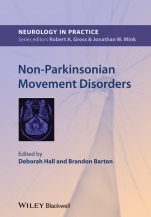
Non–Parkinsonian Movement Disorders
ISBN 9781118473924
Autor: Deborah A. Hall, Brandon R. Barton
Wydawca: Wiley
Dostępność: 3-6 tygodni
Cena: 353,85 zł
Przed złożeniem zamówienia prosimy o kontakt mailowy celem potwierdzenia ceny.
ISBN13: |
9781118473924 |
ISBN10: |
1118473922 |
Autor: |
Deborah A. Hall, Brandon R. Barton |
Oprawa: |
Paperback |
Rok Wydania: |
2017-02-17 |
Ilość stron: |
224 |
Wymiary: |
243x172 |
Tematy: |
MJ |
Describing and differentiating the different tics, jerks, spams and tremors that present as movement disorders is frequently less than straightforward. Formulating a differential diagnosis to account for these movements, and to develop a treatment plan, is a further challenge.
Non–Parkinsonian Movement Disorders provides the tool kit you need to effectively identify the movement disorders your patients suffer. Starting from the various movement phenomena patients present with, and using clinically proven approaches, the stellar cast of authors provide a practical guide to diagnosis and management.
Clearly divided into sections, the first section of this book contains a short chapter on non–parkinsonian hypokinetic movement disorders (parkinsonian disorders are covered in another volume in the Neurology in Practice Series), and the second section discusses hyperkinetic disorders. Section three covers various syndromes that do not fit into the other categories or that overlap between categories, and finally broader chapters on genetics, neuroimaging, rating scales, and videotaping suggestions serve as resources to the reader.
Each presentation includes practical descriptions of phenomenology, and key clinical information from the history and neurological examination that guide the physician to the correct diagnosis, and treatment options Throughout the book Science Revisited highlights remind clinicians of the scientific anchors related to each disorder, and Evidence at a Glance boxes summarise clinical trial evidence–based review information Numerous video clips in every chapter demonstrate different movement disorders to aid diagnosis Unique learning tools, Tips and Tricks and Caution Warning boxes, give useful hints on improving outcomes and preventing errorsClinical in approach, practical in execution, Non–Parkinsonian Movement Disorders helps you better help your patients.
List of Contributors
Series Foreword
Foreword
1 Approach to Movement Disorders
Deborah Hall and Brandon Barton
Section 1: Hypokinetic
2. Hypokinetic (Non–Parkinsonian) Movement Disorders
Shyamal H. Mehta and Alberto J. Espay
Section 2: Hyperkinetic
3. Tremor
Jeff Kraakevik, Bernadette Schoneburg
4. Myoclonus
Daniel Burdick and Pinky Agrawal
5. Tics and Tourette Syndrome
David Shprecher
6. Hyperkinetic disorders: Chorea, Athetosis, and Ballism
Rohit Dhall
7. Hyperkinetic: Dystonia
Lauren Schrock, Tao Xie and Brandon Barton
8. Neurology in Practice – Hyperkinetic Disorders: Ataxia
Samantha Holden and Deborah Hall
9. Restless Legs Syndrome
Olga Klepitskaya
10. Hemifacial Spasm And Other Facial Movement Disorders
Tao Xie, Ifeoma Nwaneri, Un Jung Kang
11. Periodic Limb Movements of Sleep and REM Sleep Behavior Disorder
Aleksandar Videnovic
12. Stereotypies
Michael Rotstein
13. Paroxysmal Movement Disorders
Christina L. Vaughan
14. Uncommon Movement Disorders and Movement Disorder Mimics
Nina Browner
Section 3: Other Disease Syndromes
15. Tardive Syndromes
Stephanie Lessig
16. Heavy Metal Accumulation Diseases
Khashayar Dashtipour and Janice Fuentes
17. ICU Intensive Care Unit Movement Disorder Emergencies
Florence C.F. Chang, Steven J. Frucht
18. Functional or Psychogenic Movement Disorders
Elizabeth Zauber
Section 4: Additional Resources
19. Genetics of Movement Disorders
Deborah Hall
20. Neuroimaging finding in Movement Disorders
Kathleen Poston
21. Clinical Rating Scales in Movement Disorders
Padmaja Vittal and Brandon R. Barton
22. Videotaping suggestions for movement disorders
Gian Pal, Deborah A Hall
Index
Deborah Hall, MD, PhD
Department of Neurological Sciences, Section of Movement Disorders at Rush University Medical Center, Chicago
Dr Hall was awarded her MD at Indiana University and completed her internship, neurology residency and movement disorders fellowship at University of Colorado. She is the recipient of an NIH K23 career development award to investigate the prevalence of FMR1 repeat expansions in various movement disorders. Her research interests are in Fragile X tremor ataxia syndrome and in clinical aspects of movement disorders.
Brandon Barton, MD
Department of Neurological sciences, Rush University Medical Center, Chicago
Dr Barton splits his time between the Movement Disorders section at Rush University Medical Center and the Veterans Administration. Barton′s research interests are in clinical trials in movement disorders, and in behavioral changes in Parkinson disease, particularly impulse control disorders.
Koszyk
Książek w koszyku: 0 szt.
Wartość zakupów: 0,00 zł
Informacje


Kontakt
Gambit
Centrum Oprogramowania
i Szkoleń Sp. z o.o.
Al. Pokoju 29b/22-24
31-564 Kraków
Siedziba Księgarni
ul. Kordylewskiego 1
31-542 Kraków
+48 12 410 5991
+48 12 410 5987
+48 12 410 5989
Subskrypcje
Administratorem danych osobowych jest firma Gambit COiS Sp. z o.o. Na podany adres będzie wysyłany wyłącznie biuletyn informacyjny.
Autoryzacja płatności

Informacje na temat autoryzacji płatności poprzez PayU.

© Copyright 2012: GAMBIT COiS Sp. z o.o. Wszelkie prawa zastrzeżone.
Projekt i wykonanie: Alchemia Studio Reklamy