


Wydawcy
Katalog tematyczny
- Archeologia (109)
- Ekonomia, finanse, business (13704)
- Filozofia (1445)
- Historia (3040)
- Języki i językoznawstwo (2356)
- Lifestyle, hobby i rozrywka (475)
- Medycyna (9704)
- Nauki humanistyczne (4)
- Nauki o Ziemi i środowisku (2638)
- Nauki ścisłe (20412)
- Nauki społeczne (8486)
- Nauki techniczne (13450)
- Prawo (1696)
- Publikacje informacyjne i interdyscyplinarne (1288)
- Religia i wierzenia (917)
- Technika komputerowa (4067)
- Zdrowie, relacje międzyludzkie i rozwój osobisty (657)





Informacje szczegółowe o książce
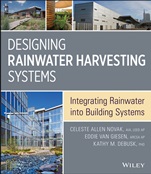
Designing Rainwater Harvesting Systems: Integrating Rainwater into Building Systems
ISBN 9781118410479
Autor: Celeste Allen Novak, Eddie Van Giesen, Kathy M. DeBusk
Wydawca: Wiley
Dostępność: 3-6 tygodni
Cena: 449,40 zł
Przed złożeniem zamówienia prosimy o kontakt mailowy celem potwierdzenia ceny.
ISBN13: |
9781118410479 |
ISBN10: |
1118410475 |
Autor: |
Celeste Allen Novak, Eddie Van Giesen, Kathy M. DeBusk |
Oprawa: |
Hardback |
Rok Wydania: |
2014-05-13 |
Ilość stron: |
312 |
Wymiary: |
240x191 |
Tematy: |
AM |
TRANSFORMING WATER SUSTAINABILITY IN ARCHITECTURE AND DESIGN Join the next wave of green building with the first guide to rainwater harvesting Sustainability is all about resource optimization. Contemporary architects are already committed to eco–friendly materials and energy neutral designs, but what about water? Worldwide, we are using more water than is ecologically sustainable. The threat to our water resources has become a central concern in the 21st century and this book is a compilation of current knowledge about rainwater harvesting to prepare you to design and implement decentralized water systems. Designing Rainwater Harvesting Systems breaks new ground. The authors have laid out a blue print that will assist you in incorporating rainwater harvesting into your next building plans. This comprehensive guide includes detailed instructions on how to: Navigate water regulations and building codes Manage runoff volume Use rainwater harvesting to meet stormwater management requirements Calculate water demand Utilize a back–up water supply Plus, case studies from around the world illustrate the dos and donts of using rainwater in new buildings. The companion website gives you access to a bonus chapter that contains even more case studies of actual rainwater projects that have been completed in the past few years. Harvesting rainwater is possible, it works, and it is changing the way we think about architecture. After reading this book, you will be part of an exclusive minority of professionals who understand how to effectively collect and use our most readily available source of fresh water.
Preface ix Acknowledgments xiii 1 The Importance of Rainwater Harvesting 1 Water Capital 2 A Brief History of Centralized Water Systems 6 New Approach to Centralization—Decentralized Rainwater Systems 9 Examples from Around the World 11 India 11 Germany 13 The United States 16 Policy Issues and Sustainability 20 Water and Energy Savings 20 Response to Drought Conditions 23 Privatization and Relocation 25 Valuing Water Resources 25 History and Early Codes 25 Source 26 Value and Water Rates 27 Return on Investment 28 Challenges, Education, and Paradigm Shifts 34 Stereotypes and Preconceptions 34 Rainwater Technical Standard 34 Water Quality 35 Paradigm Shift 35 Endnotes 37 2 System Planning and Policies 39 Benefits That Drive Rainwater Harvesting Systems 39 Planning a System 40 Step 1: Identifying System Goals 46 Step 2: Codes, Standards, and Guidelines 49 Step 3: Incentive Programs and Rating Systems 63 Step 4: Educating and Involving the Stakeholders in the Design Process 71 Step 5: Putting It All Together 73 Endnotes 76 3 Water for Thirsty Buildings 79 Rainwater: Calculating Collection and Use 79 Step 1: Creating a Water Audit 82 Step 2: Calculating Annual Rainwater Supply 83 Step 3: Calculating Demand 89 Building Sectors, Sizes, and Demands 91 Small Office 91 Schools in Different Climate Regions 93 Step 4: Cistern Sizing 100 Alternative Water Sources 103 Other Wastewater and Recirculated Water 103 Plumbing Design and The Myth of Unlimited Water Supply 108 Thoughtful Planning Brings Success 111 Endnotes 113 4 System Elements 115 Integrated Approach 115 Opportunities for an Integrated Approach 117 1. Collection/Catchment Surface (Roof or Other) 118 2. Conveyance (Gutters and Downspouts) 123 Dry Conveyance versus Wet Conveyance 124 Sizing and Numbers 125 Aesthetics/Functions/Budget 126 Conveyance Functions 128 Conveyance Budget 128 3. Prestorage Filtration and Debris Exclusion 128 Prestorage Filter Types and Applications 128 Downspout Filters 130 Basket Filter 131 Centrifugal Filters 132 Cascading Debris Excluders 133 Prestorage Filtration Devises 134 Filter Sizes 134 How Components Help Merge the Goals of Rainwater and Stormwater 134 4. Storage 135 Aboveground Tanks 138 Belowground Tanks 139 Factors to Consider 140 5. Distribution 141 1. Pressurization 141 2. Filtration 141 3. Disinfection 143 4. Contoller 143 5. Automatic Protected Bypass 144 6. Makeup Supply 145 Integration, Thoughtful Planning, and Continuing Education Are the Keys to Success 147 Endnotes 149 5 Maintenance and Safety 151 Water Quality of a Rainwater System 151 Sources of Pollutants 155 Fate and Transport of Pollutants in a Rainwater Harvesting System 158 Microbial Contamination 162 Addressing Water Quality for Various End Uses 163 First Flush 164 Water Testing Protocols 169 Using a Bypass / Backup Water Supply 170 Maintenance Considerations 174 Case Studies—Cautionary Tales and Pilot Projects for Potable Water Systems 174 Summary of Design Recommendations 177 Conclusion 186 Endnotes 192 6 21st–Century Interviews 195 Stan Abbott 196 John Apostolopoulos 200 Alf Brandt 205 Bob Drew 209 Nicole Holmes 212 Bill Hunt 216 Lutz Johnen 222 Heather Kinkade 227 Kevin Kirsche 230 Billy Kniffen 233 Dennis Lye, PhD 237 Shawn Martin 245 Neal Shapiro 251 David Stooksbury 256 Dave Viola 259 Endnote 261 Appendix A 263 Appendix B 277 Index 283
CELESTE ALLEN NOVAK, FAIA, LEED AP, is a respected architect and principal at her Ann Arbor firm, Celeste Allen Novak Architect. She is widely published on sustainable design and rainwater harvesting. Her work on sustainable design and rainwater harvesting has appeared in Architectural Record and Green Source magazines. G. EDWARD VAN GIESEN, MLA, ARCSA AP, is the National Sales Manager at BRAE/WATTS Rainwater Technologies. He brings real world experience as a designer and builder of countless rainwater systems. He is instrumental in the development of rainwater codes nationwide, and is an active participant with the ICC and IAPMO. KATHY DeBUSK, PhD, PE, is an Assistant Professor of Environmental Science at Longwood University in Farmville, VA. Dr. DeBusk is an expert in the field of innovative rainwater harvesting design. Her research and consulting endeavors focus on the use of rainwater harvesting techniques to meet stormwater management goals.
Koszyk
Książek w koszyku: 0 szt.
Wartość zakupów: 0,00 zł
Informacje


Kontakt
Gambit
Centrum Oprogramowania
i Szkoleń Sp. z o.o.
Al. Pokoju 29b/22-24
31-564 Kraków
Siedziba Księgarni
ul. Kordylewskiego 1
31-542 Kraków
+48 12 410 5991
+48 12 410 5987
+48 12 410 5989
Subskrypcje
Administratorem danych osobowych jest firma Gambit COiS Sp. z o.o. Na podany adres będzie wysyłany wyłącznie biuletyn informacyjny.
Autoryzacja płatności

Informacje na temat autoryzacji płatności poprzez PayU.

© Copyright 2012: GAMBIT COiS Sp. z o.o. Wszelkie prawa zastrzeżone.
Projekt i wykonanie: Alchemia Studio Reklamy