


Wydawcy
Katalog tematyczny
- Archeologia (109)
- Ekonomia, finanse, business (13704)
- Filozofia (1445)
- Historia (3040)
- Języki i językoznawstwo (2356)
- Lifestyle, hobby i rozrywka (475)
- Medycyna (9704)
- Nauki humanistyczne (4)
- Nauki o Ziemi i środowisku (2638)
- Nauki ścisłe (20412)
- Nauki społeczne (8486)
- Edukacja (229)
- Kryminologia, opieka spełeczna (284)
- Obronność (10)
- Polityka (1389)
- Psychologia (777)
- Socjologia (410)
- Społeczeństwo i kultura (187)
- Nauki techniczne (13450)
- Prawo (1696)
- Publikacje informacyjne i interdyscyplinarne (1288)
- Religia i wierzenia (917)
- Technika komputerowa (4067)
- Zdrowie, relacje międzyludzkie i rozwój osobisty (657)





Informacje szczegółowe o książce
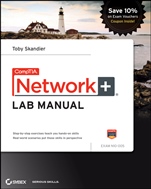
CompTIA Network+ Lab Manual
ISBN 9781118148631
Autor: Toby Skandier
Wydawca: Wiley
Dostępność: 3-6 tygodni
Cena: 162,75 zł
Przed złożeniem zamówienia prosimy o kontakt mailowy celem potwierdzenia ceny.
ISBN13: |
9781118148631 |
ISBN10: |
1118148630 |
Autor: |
Toby Skandier |
Oprawa: |
Paperback |
Rok Wydania: |
2012-02-23 |
Numer Wydania: |
3rd Edition |
Ilość stron: |
480 |
Wymiary: |
234x189 |
Tematy: |
JD |
A Practical, Task–Based Approach to Exam Prep If you′re preparing for CompTIA′s Network+ Exam (N10–005), you′ll want to take advantage of all the exercises in this practical lab manual. Covering all phases of network administration and all Network+ Exam objectives, this valuable learning tool features dozens of step–by–step exercises designed to give you real–world, hands–on practice. Get thoroughly prepared for the examand a careerwith challenging tasks that include: Designing and drawing an internetwork Identifying devices and components Differentiating Ethernet devices Planning for static and dynamic routing Configuring wireless components Implementing Bluetooth Simulating T1 CSU/DSUs Creating local user and group accounts Implementing file–level encryption Running antivirus, antispyware, and vulnerability scans Using ARP, NETSTAT, Ping, Traceroute, and other utilities Displaying computer event logs Step–by–step exercises teach you hands–on skills Real–world scenarios put those skills in perspective
Introduction xix Phase 1 Designing an Internetwork 1 Task 1.1: Drawing an Internetwork 2 Scenario 3 Scope of Task 3 Procedure 4 Criteria for Completion 7 Task 1.2: Identifying Network Components 10 Scenario 11 Scope of Task 11 Procedure 11 Criteria for Completion 12 Task 1.3: Differentiating Ethernet Devices 16 Scenario 17 Scope of Task 17 Procedure 17 Criteria for Completion 20 Task 1.4: Identifying Collision and Broadcast Domains 20 Scenario 20 Scope of Task 20 Procedure 21 Criteria for Completion 22 Task 1.5: Discovering and Filtering MAC Addresses 25 Scenario 26 Scope of Task 26 Procedure 26 Criteria for Completion 39 Task 1.6: Applying the OSI Model 39 Scenario 39 Scope of Task 39 Procedure 40 Criteria for Completion 42 Task 1.7: Developing an IP Addressing Scheme 42 Scenario 42 Scope of Task 42 Procedure 43 Criteria for Completion 53 Task 1.8: Designing a VLAN Scheme 55 Scenario 56 Scope of Task 56 Procedure 57 Criteria for Completion 61 Task 1.9: Planning for Static and Dynamic Routing 62 Scenario 62 Scope of Task 62 Procedure 63 Criteria for Completion 69 Phase 2 Implementing and Configuring the Design 71 Task 2.1: Assigning IP Addresses 72 Scenario 72 Scope of Task 73 Procedure 73 Criteria for Completion 97 Task 2.2: Naming Network Devices 97 Scenario 98 Scope of Task 98 Procedure 99 Criteria for Completion 103 Task 2.3: Implementing Static and Dynamic Routing 103 Scenario 104 Scope of Task 104 Procedure 105 Criteria for Completion 112 Task 2.4: Installing Wireless NICs 112 Scenario 112 Scope of Task 112 Procedure 113 Criteria for Completion 125 Task 2.5: Measuring Wireless Signal Strength 126 Scenario 126 Scope of Task 127 Procedure 127 Criteria for Completion 129 Task 2.6: Implementing Bluetooth 129 Scenario 130 Scope of Task 131 Procedure 131 Criteria for Completion 134 Task 2.7: Implementing Ad Hoc Wireless Networking 135 Scenario 135 Scope of Task 135 Procedure 136 Criteria for Completion 146 Task 2.8: Using an Analog Modem 146 Scenario 147 Scope of Task 147 Procedure 148 Criteria for Completion 160 Task 2.9: Using a DSL Modem 160 Scenario 160 Scope of Task 160 Procedure 161 Criteria for Completion 167 Task 2.10: Using a Router as a Frame Relay Switch 167 Scenario 167 Scope of Task 167 Procedure 168 Criteria for Completion 174 Task 2.11: Simulating T1 CSU/DSUs 174 Scenario 175 Scope of Task 175 Procedure 176 Criteria for Completion 179 Task 2.12: Installing a Virtual Machine 179 Scenario 179 Scope of Task 179 Procedure 180 Criteria for Completion 192 Phase 3 Maintaining and Securing the Network 193 Task 3.1: Creating Local User Accounts 194 Scenario 195 Scope of Task 195 Procedure 196 Criteria for Completion 199 Task 3.2: Creating Local User Groups 200 Scenario 200 Scope of Task 200 Procedure 201 Criteria for Completion 205 Task 3.3: Managing Access to Resources 205 Scenario 205 Scope of Task 206 Procedure 206 Criteria for Completion 219 Task 3.4: Disabling Local User Accounts 219 Scenario 220 Scope of Task 220 Procedure 221 Criteria for Completion 224 Task 3.5: Setting Password Restrictions 224 Scenario 225 Scope of Task 225 Procedure 226 Criteria for Completion 234 Task 3.6: Mitigating the Ping of Death 234 Scenario 235 Scope of Task 235 Procedure 236 Criteria for Completion 239 Task 3.7: Securing Links Between Routers 239 Scenario 239 Scope of Task 240 Procedure 240 Criteria for Completion 245 Task 3.8: Guarding against SYN Flood Attacks 245 Scenario 246 Scope of Task 246 Procedure 246 Criteria for Completion 250 Task 3.9: Implementing File–Level Encryption 250 Scenario 251 Scope of Task 251 Procedure 252 Criteria for Completion 262 Task 3.10: Establishing Data Encryption between Routers 262 Scenario 262 Scope of Task 262 Procedure 263 Criteria for Completion 275 Task 3.11: Creating Data Backups 275 Scenario 276 Scope of Task 276 Procedure 277 Criteria for Completion 292 Task 3.12: Running an Antivirus Scan 292 Scenario 292 Scope of Task 292 Procedure 293 Criteria for Completion 299 Task 3.13: Running an Antispyware Scan 300 Scenario 300 Scope of Task 300 Procedure 301 Criteria for Completion 311 Task 3.14: Searching for Operating System Updates 311 Scenario 312 Scope of Task 312 Procedure 313 Criteria for Completion 319 Phase 4 Troubleshooting the Network 321 Task 4.1: Using ARP Utilities 322 Scenario 323 Scope of Task 323 Procedure 323 Criteria for Completion 326 Task 4.2: Using the NETSTAT Utility 326 Scenario 327 Scope of Task 327 Procedure 327 Criteria for Completion 330 Task 4.3: Using the FTP Utility 330 Scenario 330 Scope of Task 330 Procedure 331 Criteria for Completion 348 Task 4.4: Using Ping Utilities 348 Scenario 348 Scope of Task 348 Procedure 349 Criteria for Completion 352 Task 4.5: Using the IPCONFIG Utility 353 Scenario 353 Scope of Task 353 Procedure 354 Criteria for Completion 361 Task 4.6: Using Traceroute Utilities 361 Scenario 362 Scope of Task 362 Procedure 363 Criteria for Completion 366 Task 4.7: Using Telnet 367 Scenario 367 Scope of Task 367 Procedure 367 Criteria for Completion 371 Task 4.8: Using the NSLOOKUP Utility 372 Scenario 372 Scope of Task 372 Procedure 373 Criteria for Completion 378 Task 4.9a: Using the Built–in Protocol Analyzer 378 Scenario 379 Scope of Task 379 Procedure 379 Criteria for Completion 391 Task 4.9b: Using a Third–Party Protocol Analyzer 391 Scenario 392 Scope of Task 392 Procedure 392 Criteria for Completion 401 Task 4.10: Displaying Computer Event Logs 401 Scenario 401 Scope of Task 402 Procedure 402 Criteria for Completion 413 Index 415
Toby Skandier, Network+, A+, i–Net+, Server+, is founder of Talskan Technologies, LLC, a technical education provider based in North Carolina. He is the author of Network Administrator Street Smarts: A Real World Guide to CompTIA Network+ Skills and has coauthored numerous books for Sybex, including the CompTIA A+ Complete Study Guide.
Koszyk
Książek w koszyku: 0 szt.
Wartość zakupów: 0,00 zł
Informacje


Kontakt
Gambit
Centrum Oprogramowania
i Szkoleń Sp. z o.o.
Al. Pokoju 29b/22-24
31-564 Kraków
Siedziba Księgarni
ul. Kordylewskiego 1
31-542 Kraków
+48 12 410 5991
+48 12 410 5987
+48 12 410 5989
Subskrypcje
Administratorem danych osobowych jest firma Gambit COiS Sp. z o.o. Na podany adres będzie wysyłany wyłącznie biuletyn informacyjny.
Autoryzacja płatności

Informacje na temat autoryzacji płatności poprzez PayU.

© Copyright 2012: GAMBIT COiS Sp. z o.o. Wszelkie prawa zastrzeżone.
Projekt i wykonanie: Alchemia Studio Reklamy