


Wydawcy
Katalog tematyczny
- Archeologia (109)
- Ekonomia, finanse, business (13704)
- Filozofia (1445)
- Historia (3040)
- Języki i językoznawstwo (2356)
- Lifestyle, hobby i rozrywka (475)
- Medycyna (9704)
- Nauki humanistyczne (4)
- Nauki o Ziemi i środowisku (2638)
- Nauki ścisłe (20412)
- Nauki społeczne (8486)
- Edukacja (229)
- Kryminologia, opieka spełeczna (284)
- Obronność (10)
- Polityka (1389)
- Psychologia (777)
- Socjologia (410)
- Społeczeństwo i kultura (187)
- Nauki techniczne (13450)
- Prawo (1696)
- Publikacje informacyjne i interdyscyplinarne (1288)
- Religia i wierzenia (917)
- Technika komputerowa (4067)
- Zdrowie, relacje międzyludzkie i rozwój osobisty (657)





Informacje szczegółowe o książce
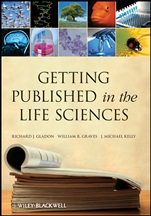
Getting Published in the Life Sciences
ISBN 9781118017166
Autor: Richard J. Gladon, William R. Graves, J. Michael Kelly
Wydawca: Wiley
Dostępność: 3-6 tygodni
Cena: 181,65 zł
Przed złożeniem zamówienia prosimy o kontakt mailowy celem potwierdzenia ceny.
ISBN13: |
9781118017166 |
ISBN10: |
1118017161 |
Autor: |
Richard J. Gladon, William R. Graves, J. Michael Kelly |
Oprawa: |
Paperback |
Rok Wydania: |
2011-10-04 |
Ilość stron: |
368 |
Wymiary: |
252x176 |
Tematy: |
JD |
A unique guide to developing and writing manuscripts for publication in peer–reviewed journals
This book makes it easier for scientists, particularly those new to professional scientific writing, to write about their results and get their manuscripts accepted by refereed journals in the biological/life/natural sciences. It covers each step throughout the submission process, from organizing and outlining the manuscript and presenting statistical data and results to what happens during the in–house manuscript review process and what to do if an article is initially rejected.??
The book uses a new "backwards" approach to manuscript development, centered on delivering specific, concise "take–home messages" and teaching the reader to construct the manuscript beginning with conclusions and ending with the abstract. This method represents a major departure from the traditional way of writing a scientific manuscript for submission. It sets bounds on the ideas—the take–home messages—to be relayed to the target audience and keeps the writer centered on the task at hand, leading to a more focused, compact manuscript that has a greater chance of getting published.
Divided into three sections, Section I addresses the issues an author must consider before entering the writing stage, and also before entering the thinking and organizing stage. This section also contains a chapter devoted to ethics in publishing. Section II presents the author′s new method for developing and writing the manuscript. Section III re–creates the scenario of submission, external peer review, revision, and other miscellaneous events thatoccur after a manuscript has been written, submitted, and accepted. The book emphasizes compliance with the formatting required by refereed journals. There are also a number of exercises throughout for reinforcing skill development.
Easily adaptable to writing for diverse audiences and disciplines, Getting Pub
lished in the Life Sciences will benefit graduate students in the biological sciences and professional researchers, whether they are new authors looking to build a solid writing foundation or more experienced writers who want to improve their skills.
Spis treści:
Preface.
Section I. Preliminary Considerations.
Chapter 1 The Importance of and Need for Publishing.
Chapter 2 Steps in Manuscript Preparation and Getting Started.
Chapter 3 Ethical Issues in Publishing.
Chapter 4 Choosing Your Coauthors.
Chapter 5 Choosing Your Journal.
Chapter 6 Principles and Characteristics of Good Scientific Writing.
Section II. Development of the Manuscript.
Chapter 7 Developing the Take–home Messages and a Provisional Title.
Chapter 8 Organizing and Outlining Your Manuscript.
Chapter 9 Results I: Overview.
Chapter 10 Results II: Presentation.
Chapter 11 Results III: Options for Presenting Results.
Chapter 12 Results IV: Guidelines for Preparing Written Text of Results.
Chapter 13 Revising and Editing.
Chapter 14 References.
Chapter 15 Materials and Methods.
Chapter 16 Introduction: Rationale, Review of Literature, and Statements of Objectives.
Chapter 17 Discussion.
Chapter 18 Abstract.
Chapter 19 Title, By–line, Keywords, and Authorship Footnote Items.
Chapter 20 Polishing Your Manuscript with Good Word Usage: Choice of Words, Misspelled Words, and Misused Words.
Section III. Review, Submission, and Postsubmission Issues.
Chapter 21 In–house Manuscript Review Process.
Chapter 22 Cover Letter and Submission Form Preparation.
Chapter 23 Final Checklist and Initial Manuscript Submission.
Chapter 24 The Peer–Review Process of Your Initial Submission.
Chapter 25 Response–letter Preparation and Manuscript Resubmission.
Chapter 26 Proofs, Proofreading, and the Final Steps in the Publication Process.
Appendices.
Index/Indices.
Okładka tylna:
A unique guide to developing and writing manuscripts for publication in peer–reviewed journals
This book makes it easier for scientists, particularly those new to professional scientific writing, to write about their results and get their manuscripts accepted by refereed journals in the biological/life/natural sciences. It covers each step throughout the submission process, from organizing and outlining the manuscript and presenting statistical data and results to what happens during the in–house manuscript review process and what to do if an article is initially rejected.??
The book uses a new "backwards" approach to manuscript development, centered on delivering specific, concise "take–home messages" and teaching the reader to construct the manuscript beginning with conclusions and ending with the abstract. This method represents a major departure from the traditional way of writing a scientific manuscript for submission. It sets bounds on the ideas—the take–home messages—to be relayed to the target audience and keeps the writer centered on the task at hand, leading to a more focused, compact manuscript that has a greater chance of getting published.
Divided into three sections, Section I addresses the issues an author must consider before entering the writing stage, and also before entering the thinking and organizing stage. This section also contains a chapter devoted to ethics in publishing. Section II presents the author′s new method for developing and writing the manuscript. Section III re–creates the scenario of submission, external peer review, revision, and other miscellaneous events thatoccur after a manuscript has been written, submitted, and accepted. The book emphasizes compliance with the formatting required by refereed journals. There are also a number of exercises throughout for reinforcing skill development.
Easily adaptable to writing for diverse
audiences and disciplines, Getting Published in the Life Sciences will benefit graduate students in the biological sciences and professional researchers, whether they are new authors looking to build a solid writing foundation or more experienced writers who want to improve their skills.
Koszyk
Książek w koszyku: 0 szt.
Wartość zakupów: 0,00 zł
Informacje


Kontakt
Gambit
Centrum Oprogramowania
i Szkoleń Sp. z o.o.
Al. Pokoju 29b/22-24
31-564 Kraków
Siedziba Księgarni
ul. Kordylewskiego 1
31-542 Kraków
+48 12 410 5991
+48 12 410 5987
+48 12 410 5989
Subskrypcje
Administratorem danych osobowych jest firma Gambit COiS Sp. z o.o. Na podany adres będzie wysyłany wyłącznie biuletyn informacyjny.
Autoryzacja płatności

Informacje na temat autoryzacji płatności poprzez PayU.

© Copyright 2012: GAMBIT COiS Sp. z o.o. Wszelkie prawa zastrzeżone.
Projekt i wykonanie: Alchemia Studio Reklamy