


Wydawcy
Katalog tematyczny
- Archeologia (109)
- Ekonomia, finanse, business (13704)
- Filozofia (1445)
- Historia (3040)
- Języki i językoznawstwo (2356)
- Lifestyle, hobby i rozrywka (475)
- Medycyna (9704)
- Nauki humanistyczne (4)
- Nauki o Ziemi i środowisku (2638)
- Nauki ścisłe (20412)
- Nauki społeczne (8486)
- Edukacja (229)
- Kryminologia, opieka spełeczna (284)
- Obronność (10)
- Polityka (1389)
- Psychologia (777)
- Socjologia (410)
- Społeczeństwo i kultura (187)
- Nauki techniczne (13450)
- Prawo (1696)
- Publikacje informacyjne i interdyscyplinarne (1288)
- Religia i wierzenia (917)
- Technika komputerowa (4067)
- Zdrowie, relacje międzyludzkie i rozwój osobisty (657)





Informacje szczegółowe o książce
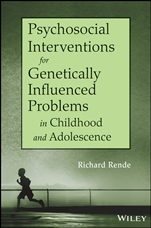
Psychosocial Interventions for Genetically Influenced Problems in Childhood and Adolescence
ISBN 9781118016992
Autor: Richard Rende
Wydawca: Wiley
Dostępność: 3-6 tygodni
Cena: 286,65 zł
Przed złożeniem zamówienia prosimy o kontakt mailowy celem potwierdzenia ceny.
ISBN13: |
9781118016992 |
ISBN10: |
1118016998 |
Autor: |
Richard Rende |
Oprawa: |
Paperback |
Rok Wydania: |
2014-10-14 |
Ilość stron: |
240 |
Wymiary: |
234x158 |
Tematy: |
JC |
A guide to weighing the genetic factors when selecting effective psychosocial interventions Psychosocial Interventions for Genetically Influenced Problems in Childhood and Adolescence offers an accessible guide and well–researched assessment of the most current knowledge, both of the genome and evidence–based treatments, for treating young people who present with a variety of conditions such as anxiety, depression, ADHD, autism, substance abuse, and dyslexia. The text also contains information on how interventions may be adapted as the products of genomic research continue to develop. Written for clinicians, policymakers, and others invested in working with youth, this important book is filled with up–to–date research findings, practical advice, effective interventions, and illustrative examples. Designed as a useful resource, the book puts the focus on what professionals can do right now to improve the lives of children and adolescents, using environmental designs combined with the growing sophistication about how genes have their influence. The book includes a valuable and illuminating discussion of how empirically–supported interventions mesh with genetic vulnerabilities. The author also reveals when reprogramming genetically influenced pathways via the environment are most appropriate and explores how the effects of genes may be circumvented or shaped. The author includes compelling examples in which genes and environment seem to be inextricably linked, but in surprising ways that can direct new ways of thinking about changing the result of that mix by manipulating the environment. While the burgeoning field of genomic research holds great promise for the future, this important text shows how todays clinicians can use the emerging knowledge about genetics and integrate it with non–biological approaches to effective treatment.
Chapter 1 Prelude: Great Expectations Aren’t Magic Bullets Possible? So Aren’t Similar Successes Imminent? What Will Be the Yield of Genetic Research in Terms of Intervention? Where Will All of this Lead? Chapter 2 Autism Spectrum Disorder: Can We Use Environmental Intervention to Reprogram Genetic Effects Genomic Approaches to ASD Is There a New Fundamental Etiological Model of ASD? Genomics, Complex Disorders, Hype, and Hope Using the Environment to Reprogram the Effects of Genes So What’s Next? References Chapter 3 Attention–Deficit Hyperactivity Disorder and Reading Disorder: Illuminating How the Environment Shapes Highly Heritable Disorders Genetic Models of ADHD and RD: Why Has Gene Discovery Been So Elusive? Why Would the Environment Be Important for Highly Heritable Disorders? More Nuanced Models of Gene–Environment Interplay for ADHD and RD The Promise of Psychosocial Interventions Concluding Remarks References Chapter 4 Conduct Problems and Substance Use: The Underappreciated Role of Shared Environmental Influences Genetic Models of CP and SU The Impact of Shared Environmental Influences Getting Molecular About the Environment A Developmental Gene–Environment Model Family–Based Interventions and Genetic Epidemiology Summary and Looking Ahead References Chapter 5 Depression: The Importance of the Family as a Context for Gene Expression High–Risk Studies of Offspring of Depressed Parents Genetic Models of MDD GxE Interaction and Depression Depression in Adolescents and Children Who Should be Treated in Families at Risk? Implications of the Parental Treatment Studies Selected Readings Chapter 6 Pediatric Bipolar Disorder: Complex Phenotypes, Genotypes, and Environments Current Thinking on the Genetics of BP Is PBD an Early Manifestation of Genetic Risk to BP? The Clinical Complexity of PBD Emphasizing Psychosocial Interventions for PBD Conclusions Selected Readings Chapter 7 Pediatric Anxiety Disorders: The Intersection of Genes and Environments The Heterogeneity of Anxiety Disorders: Focusing on Anxiety–Related Behaviors in Childhood and Adolescence Anxiety in the Family: The Intersection of Genes and Parenting Genes, Environment, and Anxiety: Newer Methodologies Concluding Remarks Selected Readings Chapter 8 The Future: Why Psychosocial Intervention Will Matter Even More Future Genetic Research and the Conceptualization of Disorders Genomics May Refine Diagnosis and Point to Tailored Interventions Genomics Will Lead to Earlier Intervention Genomics Will Accelerate the Development of Psychosocial Interventions But Will We Discover Magic Bullets?
RICHARD RENDE, P H D , is the Director of the Transdisciplinary Research Group at Butler Hospital and is an Associate Professor at the Alpert Medical School of Brown University. He is an editor for Development and Psychopathology , an advisor for the Journal of Child Psychology and Psychiatry .
Koszyk
Książek w koszyku: 0 szt.
Wartość zakupów: 0,00 zł
Informacje


Kontakt
Gambit
Centrum Oprogramowania
i Szkoleń Sp. z o.o.
Al. Pokoju 29b/22-24
31-564 Kraków
Siedziba Księgarni
ul. Kordylewskiego 1
31-542 Kraków
+48 12 410 5991
+48 12 410 5987
+48 12 410 5989
Subskrypcje
Administratorem danych osobowych jest firma Gambit COiS Sp. z o.o. Na podany adres będzie wysyłany wyłącznie biuletyn informacyjny.
Autoryzacja płatności

Informacje na temat autoryzacji płatności poprzez PayU.

© Copyright 2012: GAMBIT COiS Sp. z o.o. Wszelkie prawa zastrzeżone.
Projekt i wykonanie: Alchemia Studio Reklamy