


Wydawcy
Katalog tematyczny
- Archeologia (109)
- Ekonomia, finanse, business (13704)
- Filozofia (1445)
- Historia (3040)
- Języki i językoznawstwo (2356)
- Lifestyle, hobby i rozrywka (475)
- Medycyna (9704)
- Chirurgia (272)
- Inne gałęzie medycyny (1871)
- Medycyna kliniczna (4187)
- Choroby wewnętrzne (514)
- Dermatologia (51)
- Diagnostyka medyczna (3)
- Endokrynologia (144)
- Gastroenterologia (27)
- Geriatria (50)
- Ginekologia i położnictwo (134)
- Hematologia (46)
- Hepatologia (10)
- Kardiologia (71)
- Laryngologia (12)
- Nefrologia (10)
- Neurologia (500)
- Oftalmologia (50)
- Pediatria (33)
- Pulmunologia (32)
- Reumatologia (14)
- Terapia genowa (1)
- Układ mięśniowo-szkieletowy (1)
- Urologia (14)
- Medycyna niekonwencjonalna (14)
- Medycyna przedkliniczna (269)
- Medycyna, ogólnie (1740)
- Medyczne służby pomocnicze (745)
- Studia medyczne (16)
- Weterynaria (548)
- Nauki humanistyczne (4)
- Nauki o Ziemi i środowisku (2638)
- Nauki ścisłe (20412)
- Nauki społeczne (8486)
- Nauki techniczne (13450)
- Prawo (1696)
- Publikacje informacyjne i interdyscyplinarne (1288)
- Religia i wierzenia (917)
- Technika komputerowa (4067)
- Zdrowie, relacje międzyludzkie i rozwój osobisty (657)





Informacje szczegółowe o książce
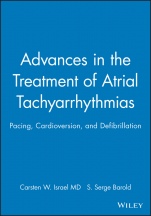
Advances in the Treatment of Atrial Tachyarrhythmias: Pacing, Cardioversion, and Defibrillation
ISBN 9780879934972
Autor: Carsten W. Israel, S. Serge Barold
Wydawca: Wiley
Dostępność: 3-6 tygodni
Cena: 802,20 zł
Przed złożeniem zamówienia prosimy o kontakt mailowy celem potwierdzenia ceny.
ISBN13: |
9780879934972 |
ISBN10: |
0879934972 |
Autor: |
Carsten W. Israel, S. Serge Barold |
Oprawa: |
Hardback |
Rok Wydania: |
2002-01-02 |
Ilość stron: |
464 |
Wymiary: |
235x162 |
Tematy: |
MJ |
Atrial fibrillation is a common arrhythmia, difficult to treat pharmacologically and associated with significant morbidity and mortality. Although traditionally prescribed when pharmacologic therapy is not effective, not tolerated, or contraindicated, electrical therapy should no longer be considered as a treatment of last resort. Implantable devices such as cardiac pacemakers and internal defibrillators capable of monitoring atrial tachyarrhythmias have enhanced understanding of the mechanisms and natural history of atrial tachyarrhythmias. This knowledge allows electrical therapy to alter the natural course of atrial tachyarrhythmias early after onset or create an unfavorable electrophysiological environment in circumstances predisposing to their initiation.
Thus, electrical therapies are playing an increasingly important role in the overall management of atrial fibrillation and tachyarrhythmias, often in combination with antiarrhythmic drugs and sometimes with other strategies. New dual–chamber ICDs can safely and effectively differentiate atrial from ventricular tachyarrhythmias and treat atrial tachyarrhythmias without compromising detection and treatment of ventricular tachyarrhythmias. Technological advances in standard electrical cardioversion including the use of prior pharmacotherapy have facilitated the success of the procedure and maintenance of sinus rhythm. This is the first book devoted solely to the rapidly expanding options to treat atrial tachyarrhythmias electrically.
Electrical devices offer the promise of prevention and control of atrial tachyarrhythmias, with significant improvements in all health care professionals dealing with atrial fibrillation and other atrial tachyarrhythmias.
Spis treści:
Dedication.
Preface.
Contributors.
Section 1. Demographic Data, Mechanisms, and Diagnosis.
Chapter 1. Epidemiology and Mechanisms of Atrial Fibrillation: Recent Advances (M. Santini, C. Pandozi, A
. Castro, L. Calò, F. Lamberti, M. L. Loricchio).
Chapter 2. Clinical Diagnosis of Atrial Tachyarrhythmias in Pacemaker Patients (C. T. F. Lam, B. Wilkoff).
Section 2. Prevention of Atrial Tachyarrhythmias by Conventional Antibradycardia Pacing.
Chapter 3. Prevention of Atrial Tachyarrhythmias by Conventional Permanent Antibradycardia Pacing. Evaluation of Nonrandomized Studies (S. S. Barold, C. W. Israel).
Chapter 4. Prevention of Atrial Tachyarrhythmias by Conventional Antibradycardia Pacing: Prospective Data (L. Kristensen, J. C. Nielsen, H. R. Andersen).
Section 3. Prevention of Atrial Tachyarrhythmias by Special Pacing Techniques.
Chapter 5. Left Atrial and Biatrial Pacing (D. Pavin, G. Revault D′Allonnes, P. Mabo, J. C. Daubert).
Chapter 6. Single– and Dual–Site Right Atrial Pacing for Primary and Secondary Prevention of Atrial Fibrillation (A. Filipecki, S. Saksena).
Chapter 7. Controversies in Multisite Atrial Pacing (P. E. Vardas).
Chapter 8. Pacing Algorithms for Prevention of Atrial Tachyarrhythmias (C. W. Israel, S. S. Barold).
Section 4. Automatic Mode Switching.
Chapter 9. Control of the Ventricular Rate in Pacemaker Patients with Paroxysmal Atrial Tachyarrhythmias: A Historical Perspective (S. S. Barold, C. W. Israel).
Chapter 10. Automatic Mode Switching: Basic Concepts and Overview (C. W. Israel, S. S. Barold).
Chapter 11. Comparison of Different Mode–Switching Algorithms (J. E. Sanchez, G. N. Kay).
Chapter 12. Troubleshooting of Automatic Mode Switching (K. A. Ellenbogen, M. A. Wood, R. K. Shepard).
Section 5. Advances in Technology.
Chapter 13. Evolving Pacemaker Technology for the Treatment of Atrial Tachyarrhythmias (S. S. Barold, C. W. Israel).
Chapter 14. Evolving Lead Technology for the Treatment of Atrial Tachyarrhythmias (R. McVenes, S. S. Baro
ld, K. B. Stokes).
Section 6. Hybrid Therapy.
Chapter 15. Treatment of Atrial Tachyarrhythmias with Pacing and Antiarrhythmic Drugs (C. W. Israel, J. R. Ehrlich, S. S. Barold, S. H. Hohnloser).
Chapter 16. Treatment of Atrial Tachyarrhythmias with Ablation and Pacing (M. Brignole).
Section 7. Termination of Atrial Tachyarrhythmias.
Chapter 17. Antitachycardia Pacing for Termination of Atrial Tachyarrhythmias (I. Savelieva, A. J. Camm).
Chapter 18. Devices for Internal Atrial Defibrillation (W. Jung, B. Lüderitz).
Chapter 19. Management of Atrial Fibrillation Patients with Dual Defibrillators (R. Mehra, D. E. Euler, S. Musley, E. Warman).
Chapter 20. Advances in Internal and External Cardioversion (H. F. Tse, C. P. Lau).
Index.
Okładka tylna:
Atrial fibrillation is a common arrhythmia, difficult to treat pharmacologically and associated with significant morbidity and mortality. Although traditionally prescribed when pharmacologic therapy is not effective, not tolerated, or contraindicated, electrical therapy should no longer be considered as a treatment of last resort. Implantable devices such as cardiac pacemakers and internal defibrillators capable of monitoring atrial tachyarrhythmias have enhanced understanding of the mechanisms and natural history of atrial tachyarrhythmias. This knowledge allows electrical therapy to alter the natural course of atrial tachyarrhythmias early after onset or create an unfavorable electrophysiological environment in circumstances predisposing to their initiation.
Thus, electrical therapies are playing an increasingly important role in the overall management of atrial fibrillation and tachyarrhythmias, often in combination with antiarrhythmic drugs and sometimes with other strategies. New dual–chamber ICDs can safely and effectively differentiate atrial from ventricular tachyarrhythmias and treat atrial tachyar
rhythmias without compromising detection and treatment of ventricular tachyarrhythmias. Technological advances in standard electrical cardioversion including the use of prior pharmacotherapy have facilitated the success of the procedure and maintenance of sinus rhythm. This is the first book devoted solely to the rapidly expanding options to treat atrial tachyarrhythmias electrically.
Electrical devices offer the promise of prevention and control of atrial tachyarrhythmias, with significant improvements in all health care professionals dealing with atrial fibrillation and other atrial tachyarrhythmias.
Koszyk
Książek w koszyku: 0 szt.
Wartość zakupów: 0,00 zł
Informacje


Kontakt
Gambit
Centrum Oprogramowania
i Szkoleń Sp. z o.o.
Al. Pokoju 29b/22-24
31-564 Kraków
Siedziba Księgarni
ul. Kordylewskiego 1
31-542 Kraków
+48 12 410 5991
+48 12 410 5987
+48 12 410 5989
Subskrypcje
Administratorem danych osobowych jest firma Gambit COiS Sp. z o.o. Na podany adres będzie wysyłany wyłącznie biuletyn informacyjny.
Autoryzacja płatności

Informacje na temat autoryzacji płatności poprzez PayU.

© Copyright 2012: GAMBIT COiS Sp. z o.o. Wszelkie prawa zastrzeżone.
Projekt i wykonanie: Alchemia Studio Reklamy