


Wydawcy
Katalog tematyczny
- Archeologia (109)
- Ekonomia, finanse, business (13704)
- Filozofia (1445)
- Historia (3040)
- Języki i językoznawstwo (2356)
- Lifestyle, hobby i rozrywka (475)
- Medycyna (9704)
- Nauki humanistyczne (4)
- Nauki o Ziemi i środowisku (2638)
- Nauki ścisłe (20412)
- Nauki społeczne (8486)
- Edukacja (229)
- Kryminologia, opieka spełeczna (284)
- Obronność (10)
- Polityka (1389)
- Psychologia (777)
- Socjologia (410)
- Społeczeństwo i kultura (187)
- Nauki techniczne (13450)
- Prawo (1696)
- Publikacje informacyjne i interdyscyplinarne (1288)
- Religia i wierzenia (917)
- Technika komputerowa (4067)
- Zdrowie, relacje międzyludzkie i rozwój osobisty (657)





Informacje szczegółowe o książce
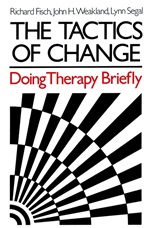
The Tactics of Change: Doing Therapy Briefly
ISBN 9780875895215
Autor: Richard Fisch, John H. Weakland, Lynn Segal
Wydawca: Wiley
Dostępność: 3-6 tygodni
Cena: 354,90 zł
Przed złożeniem zamówienia prosimy o kontakt mailowy celem potwierdzenia ceny.
ISBN13: |
9780875895215 |
ISBN10: |
0875895212 |
Autor: |
Richard Fisch, John H. Weakland, Lynn Segal |
Oprawa: |
Hardback |
Rok Wydania: |
1982-05-07 |
Ilość stron: |
328 |
Wymiary: |
241x166 |
Tematy: |
JBSN |
This book is a comprehensive and detailed manual on treating a wid range of clinical problems briefly and effectively. The clinical problems dealt with include, among others, anxiety, depression, marital and family conflict, psychosomatic complaints, schizophrenia, sexual problems, and drug and alcohol abuse. The authors′ tactics for brining about change reflect an interest in making treatment efficient and measuring it in terms of weeks rather than months.
The authors, pioneers in the field of brief strategic therapy, build on sixteen years and refining their approach at the Brief Therapy Center of the Mental Research Institute, Palo Alto.
The book opens with a concise explanation of the authors′ conception of human problems–how they begin, why they persist, and how they can be resolved quickly. It then goes on to discuss all the basic elements of treatment: maintaining control, setting the stage for treatment, conducting the first interview, assessing the patient′s position or point of view, planning overall treatment strategy, using specific intervention, and terminating treatment. In a long and detailed section, the authors examine situation that frequently arise during the course of treatment and provide extensive examples of what therapists can do, say, suggest, and imply to initiate beneficial change.
Case studies with commentary explaining the reasons for the therapist′s actions, illustrate successful uses of techniques and further clarify the approach. The book concludes with a summary of the basic principles of brief therapy and their potential application to many kinds of human problems.
Spis treści:
1. Practice––and Theory.
2. Therapist Maneuverability.
3. Setting the Stage for Treatment.
4. The Initial Interview.
5. Patient Position.
6. Case Planning.
7. Interventions.
8. Termination of Treatment.
9. Case Study: The Aversive Adolescent.
10. Case Stud
y: The Anxious Violinist.
11. Case Study: The Stroke Victim′s Family.
12. Psychotherapy––And Beyond.
Nota biograficzna:
RICHARD FISCH, is director of the Brief Therapy Center in Palo Alto, California, which he cofounded in 1966. He is also a senior research fellow at the Mental Research Institute and a clinical associate professor emeritus at Stanford University School of Medicine, Department of Psychiatry and Behavioral Sciences.
Okładka tylna:
This book is a comprehensive and detailed manual on treating a wid range of clinical problems briefly and effectively. The clinical problems dealt with include, among others, anxiety, depression, marital and family conflict, psychosomatic complaints, schizophrenia, sexual problems, and drug and alcohol abuse. The authors′ tactics for brining about change reflect an interest in making treatment efficient and measuring it in terms of weeks rather than months.
The authors, pioneers in the field of brief strategic therapy, build on sixteen years and refining their approach at the Brief Therapy Center of the Mental Research Institute, Palo Alto.
The book opens with a concise explanation of the authors′ conception of human problems–how they begin, why they persist, and how they can be resolved quickly. It then goes on to discuss all the basic elements of treatment: maintaining control, setting the stage for treatment, conducting the first interview, assessing the patient′s position or point of view, planning overall treatment strategy, using specific intervention, and terminating treatment. In a long and detailed section, the authors examine situation that frequently arise during the course of treatment and provide extensive examples of what therapists can do, say, suggest, and imply to initiate beneficial change.
Case studies with commentary explaining the reasons for the therapist′s actions, illustrate successful uses of techni
ques and further clarify the approach. The book concludes with a summary of the basic principles of brief therapy and their potential application to many kinds of human problems.
Koszyk
Książek w koszyku: 0 szt.
Wartość zakupów: 0,00 zł
Informacje


Kontakt
Gambit
Centrum Oprogramowania
i Szkoleń Sp. z o.o.
Al. Pokoju 29b/22-24
31-564 Kraków
Siedziba Księgarni
ul. Kordylewskiego 1
31-542 Kraków
+48 12 410 5991
+48 12 410 5987
+48 12 410 5989
Subskrypcje
Administratorem danych osobowych jest firma Gambit COiS Sp. z o.o. Na podany adres będzie wysyłany wyłącznie biuletyn informacyjny.
Autoryzacja płatności

Informacje na temat autoryzacji płatności poprzez PayU.

© Copyright 2012: GAMBIT COiS Sp. z o.o. Wszelkie prawa zastrzeżone.
Projekt i wykonanie: Alchemia Studio Reklamy