


Wydawcy
Katalog tematyczny
- Archeologia (109)
- Ekonomia, finanse, business (13704)
- Filozofia (1445)
- Historia (3040)
- Języki i językoznawstwo (2356)
- Lifestyle, hobby i rozrywka (475)
- Medycyna (9704)
- Nauki humanistyczne (4)
- Nauki o Ziemi i środowisku (2638)
- Nauki ścisłe (20412)
- Astronomia (294)
- Biologia (5119)
- Biochemia (575)
- Biologia człowieka (14)
- Biologia komórkowa (377)
- Biologia molekularna (398)
- Biologia rozwoju (130)
- Biologia, ogólnie (1277)
- Botanika (280)
- Hydrobiologia (92)
- Mikrobiologia (363)
- Mykologia (22)
- Zoologia (303)
- Chemia (6540)
- Fizyka (3309)
- Matematyka (4574)
- Nauki ścisłe, ogólnie (503)
- Nauki społeczne (8486)
- Nauki techniczne (13450)
- Prawo (1696)
- Publikacje informacyjne i interdyscyplinarne (1288)
- Religia i wierzenia (917)
- Technika komputerowa (4067)
- Zdrowie, relacje międzyludzkie i rozwój osobisty (657)





Informacje szczegółowe o książce
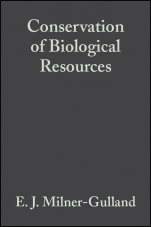
Conservation of Biological Resources
ISBN 9780865427389
Autor: E. J. Milner–Gulland, Ruth Mace
Wydawca: Wiley
Dostępność: 3-6 tygodni
Cena: 522,90 zł
Przed złożeniem zamówienia prosimy o kontakt mailowy celem potwierdzenia ceny.
ISBN13: |
9780865427389 |
ISBN10: |
0865427380 |
Autor: |
E. J. Milner–Gulland, Ruth Mace |
Oprawa: |
Paperback |
Rok Wydania: |
1998-07-28 |
Ilość stron: |
424 |
Wymiary: |
242x173 |
Tematy: |
PS |
This book presents the issues surrounding the conservation of wild species and ecosystems used by people. It is aimed at final year undergraduate and Masters students taking courses in conservation, environmental management, ecological economics and related subjects, as well as conservation professionals, including managers, policy–makers and researchers. The structure of the book is ideal for a course in conservation, comprising a theoretical section written by the authors, and a set of ten contributed case studies intentionally diverse in discipline, geographical region and system of study. The theoretical section provides the knowledge that is needed to understand the issues, while the case studies can form the basis of seminars. Readers will emerge with a clear recognition of the difficulties of limiting the harvesting of biological resources to sustainable levels, and of the boundaries of sustainable use as a conservation tool.
The authors, an ecologist and an anthropologist, have both worked on the conservation and sustainable use of wildlife for several years including the ivory and rhino horn trades.
Spis treści:
Part I: Introduction to Biological Conservation and Sustainable Use.
Part II: Theoretical Background.
The Ecological and Economic Theory of Sustainable Harvesting.
Harvesting and Ecological Realities.
Decision–Making by Users of Natural Resources.
Practical Considerations when Applying the Theory.
Part III: Case Studies.
Sustainable Use as a Conservation Tool in the Forests of South–East Asia (Kathy Mackinnon).
Will Bigleaf Mahogany Be Conserved Through Sustainable Use? (R E Gullison).
Cosiguina, Nicaragua: A Case Study in Community–Based Management of Wildlife (Vivienne Solis Rivera and Stephen R Edwards).
Sustainability of the Falkland Islands Loligo Squid Fishery (Sophie des Clers).
Recreational Use of Coral Reefs in the Maldives and C
aribbean (Andrew R G Price, Callum M Roberts and Julie P Hawkins).
A Century of Change in the Central Luangwa Valley of Zambia (Joel Freehling and Stuart A Marks).
The Economics of Wildlife Conservation Policy in Kenya (M Norton–Griffiths).
Gorilla Tourism: A Critical Look (Thomas M Butynski and Jan Kalina).
Caribou and Muskox Harvesting in the Northwest Territories (Anne Gunn).
Hunting of Game Mammals in the Soviet Union (Leonid M Baskin).
Part IV: Making Conservation Work.
Making Conservation Work.
References.
Glossary of Terms.
Index.
Okładka tylna:
This book presents the issues surrounding the conservation of wild species and ecosystems used by people. It is aimed at final year undergraduate and Masters students taking courses in conservation, environmental management, ecological economics and related subjects, as well as conservation professionals, including managers, policy–makers and researchers. The structure of the book is ideal for a course in conservation, comprising a theoretical section written by the authors, and a set of ten contributed case studies intentionally diverse in discipline, geographical region and system of study. The theoretical section provides the knowledge that is needed to understand the issues, while the case studies can form the basis of seminars. Readers will emerge with a clear recognition of the difficulties of limiting the harvesting of biological resources to sustainable levels, and of the boundaries of sustainable use as a conservation tool.
The authors, an ecologist and an anthropologist, have both worked on the conservation and sustainable use of wildlife for several years including the ivory and rhino horn trades.
Koszyk
Książek w koszyku: 0 szt.
Wartość zakupów: 0,00 zł
Informacje


Kontakt
Gambit
Centrum Oprogramowania
i Szkoleń Sp. z o.o.
Al. Pokoju 29b/22-24
31-564 Kraków
Siedziba Księgarni
ul. Kordylewskiego 1
31-542 Kraków
+48 12 410 5991
+48 12 410 5987
+48 12 410 5989
Subskrypcje
Administratorem danych osobowych jest firma Gambit COiS Sp. z o.o. Na podany adres będzie wysyłany wyłącznie biuletyn informacyjny.
Autoryzacja płatności

Informacje na temat autoryzacji płatności poprzez PayU.

© Copyright 2012: GAMBIT COiS Sp. z o.o. Wszelkie prawa zastrzeżone.
Projekt i wykonanie: Alchemia Studio Reklamy