


Wydawcy
Katalog tematyczny
- Archeologia (109)
- Ekonomia, finanse, business (13704)
- Filozofia (1445)
- Historia (3040)
- Języki i językoznawstwo (2356)
- Lifestyle, hobby i rozrywka (475)
- Medycyna (9704)
- Nauki humanistyczne (4)
- Nauki o Ziemi i środowisku (2638)
- Nauki ścisłe (20412)
- Nauki społeczne (8486)
- Nauki techniczne (13450)
- Budownictwo lądowe (1045)
- Chemia przemysłowa (2258)
- Elektronika i telekomunikacja (3287)
- Energetyka (1122)
- Inne nauki stosowane (363)
- Inżynieria biochemiczna (507)
- Inżynieria transportu (232)
- Mechanika i materiały (3316)
- Nauka o środowisku (321)
- Rolnictwo (507)
- Technika, ogólnie (475)
- Prawo (1696)
- Publikacje informacyjne i interdyscyplinarne (1288)
- Religia i wierzenia (917)
- Technika komputerowa (4067)
- Zdrowie, relacje międzyludzkie i rozwój osobisty (657)





Informacje szczegółowe o książce
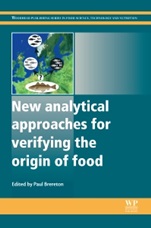
New Analytical Approaches for Verifying the Origin of Food
ISBN 9780857092748
Autor: Brereton, Paul
Wydawca: Elsevier
Dostępność: 3-6 tygodni
Cena: 778,05 zł
Przed złożeniem zamówienia prosimy o kontakt mailowy celem potwierdzenia ceny.
ISBN13: |
9780857092748 |
ISBN10: |
085709274X |
Autor: |
Brereton, Paul |
Oprawa: |
Hardback |
Rok Wydania: |
2013-07-31 |
Tematy: |
TDCT |
Food and beverage labels often specify a product’s geographical origin, species, variety and method of production. These claims can significantly influence an item’s economic value, but their verification is not always straightforward. New analytical approaches for verifying the origin of food reviews new analytical methods in this area together with applications to key commodities.
Part one introduces the concept of food origin and provides supporting information on labelling legislation and standards. Part two moves on to explore new approaches for verifying the geographical origin of food using geospatial models and verifying species and varietal components of the food we eat. Holistic methods of verification methods using vibrational spectroscopy and associated chemometrics are also discussed. Finally, part three highlights the applications of new analytical methods to verify the origin of particular food commodities: fish, honey and wine.
New analytical approaches for verifying the origin of food is a standard reference for professionals working in analytical laboratories testing food authenticity and for researchers, in the food industry, analytical laboratories and academia, working on the development of analytical methods for food authenticity.
Includes a chapter on origin labelling legislation and standardsChapters address the applications of both established and novel methods in key product sectorsReviews new analytical methods and their applications in the food industry
PART 1 INTRODUCTION
Verifying the origin of food: an introduction
P Brereton, Fera, UK
- Introduction: The importance of food origin
- Historical context
- The impact of the Common Agricultural Policy
- Food assurance
- Analytical procedures for verifying authenticity
- Future trends
- Conclusion
- References
Food origin labelling legislation and standards
M Woolfe, Thames Ditton, (Food Standards Agency-retired), UK
- Introduction
- International legislation and standards
- European Union (Community) legislation and standards
- European Community (EC) marketing standards
- Organic standards and protected descriptions of geographic origin
- Legislation and standards in other parts of the world
- Conclusion and future trends
- Sources of further information and advice
- References
PART 2 ANALYTICAL METHODS
New approaches for verifying the geographical origin of foods
A Roßmann, Isolab GmbH Laboratory for Stable Isotopes, Germany
- Introduction: the commercial importance of the geographical origin of foods
- Stable isotope approaches for verifying the origin of foods
- Stable isotope analysis of heavy (“geo”) elements
- Trace element approaches for verifying the origin of foods
- Alternative new methods for verifying the origin of foods
- Conclusion and future trends
- Sources of further information and advice
- References
Development and application of geospatial models for verifying the geographical origin of food
G Van der Veer, RIKILT, Wageningen University and Research Centre, The Netherlands
- Introduction
- Conceptual framework and requirements
- Geospatial modelling
- Inference on geospatial models
- Conclusion and future trends
- References
New approaches for verifying food species and variety
H Broll, Federal Institute for Risk Assessment, Germany
- Introduction: The commercial importance of food species and varieties
- DNA-based methods for verifying food species and variety
- DNA extraction from food samples
- Developments in DNA-based methods
- Conclusion
- References
Vibrational spectroscopy in studies of food origin
G Downey, Teagasc, Ireland
- Introduction
- Types of vibrational spectroscopy
- Use of IR spectroscopy in food authentication
- Applications
- Future trends
- Conclusions
- References
Chemometrics in studies of food origin
B Vandeginste, VICIM, The Netherlands
- Introduction
- Samples and data
- The modelling step
- Conversion of verification and classification models into specifications
- Recent and future trends
- Conclusion
- Further reading
- Acknowledgement
- References
PART 3 APPLICATIONS TO FOOD COMMODITIES
Using new analytical approaches to verify the origin of wine
B Médina, M H Salagoïty, FGuyon and J Gaye, Service Commun des Laboratoires (SCL), P Hubert, Centre Etudes Nucléaires de Bordeaux Gradignan, Université de Bordeaux, F Guillaume and, Institut des Sciences Moléculaires (ISM), Université de Bordeaux, France
- Introduction
- Wine authentication using wine tasting and standard analytical methods
- Determining the geographical origin of wine
- Verifying compliance with specific regulations
- Contaminants
- Wine dating
- Analysis of packaging to identify counterfeit wines
- Future trends
- Conclusion
- References
Using new analytical approaches to verify the origin of fish
J Martinsohn , European Commission’s Joint Research Center, Italy
- Introduction: the commercial importance of fish and fish product origin
- Legal standards for fish origin and problems of counterfeiting
- Applications of new analytical approaches to verify fish origin
- The need for capacity building
- Conclusion and future trends
- Acknowledgements
- Sources of further information and advice
- References
Using new analytical approaches to verify the origin of honey
K McComb, University of Otago, NewZealand and R Frew, University of Otago, NewZealand and FAO/IAEA Division of Nuclear Techniques in Food and Agriculture, Austria
- Introduction
- Chemical authentication of honey
- Adulteration of honey
- Conclusion and future trends
- References
- See more at: http://www.woodheadpublishing.com/en/book.aspx?bookID=2507#sthash.G4t6WMiG.dpuf
Koszyk
Książek w koszyku: 0 szt.
Wartość zakupów: 0,00 zł
Informacje


Kontakt
Gambit
Centrum Oprogramowania
i Szkoleń Sp. z o.o.
Al. Pokoju 29b/22-24
31-564 Kraków
Siedziba Księgarni
ul. Kordylewskiego 1
31-542 Kraków
+48 12 410 5991
+48 12 410 5987
+48 12 410 5989
Subskrypcje
Administratorem danych osobowych jest firma Gambit COiS Sp. z o.o. Na podany adres będzie wysyłany wyłącznie biuletyn informacyjny.
Autoryzacja płatności

Informacje na temat autoryzacji płatności poprzez PayU.

© Copyright 2012: GAMBIT COiS Sp. z o.o. Wszelkie prawa zastrzeżone.
Projekt i wykonanie: Alchemia Studio Reklamy