


Wydawcy
Katalog tematyczny
- Archeologia (109)
- Ekonomia, finanse, business (13704)
- Filozofia (1445)
- Historia (3040)
- Języki i językoznawstwo (2356)
- Lifestyle, hobby i rozrywka (475)
- Medycyna (9704)
- Nauki humanistyczne (4)
- Nauki o Ziemi i środowisku (2638)
- Nauki ścisłe (20412)
- Astronomia (294)
- Biologia (5119)
- Chemia (6540)
- Chemia analityczna (361)
- Chemia fizyczna (346)
- Chemia nieorganiczna (137)
- Chemia organiczna (535)
- Krystalografia (27)
- Minerologia (46)
- Fizyka (3309)
- Matematyka (4574)
- Nauki ścisłe, ogólnie (503)
- Nauki społeczne (8486)
- Nauki techniczne (13450)
- Prawo (1696)
- Publikacje informacyjne i interdyscyplinarne (1288)
- Religia i wierzenia (917)
- Technika komputerowa (4067)
- Zdrowie, relacje międzyludzkie i rozwój osobisty (657)





Informacje szczegółowe o książce
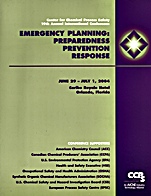
Emergency Planning: Preparedness, Prevention and Response
ISBN 9780816909544
Autor: CCPS (Center for Chemical Process Safety)
Wydawca: Wiley
Dostępność: 3-6 tygodni
Cena: 1 076,25 zł
Przed złożeniem zamówienia prosimy o kontakt mailowy celem potwierdzenia ceny.
ISBN13: |
9780816909544 |
ISBN10: |
0816909547 |
Autor: |
CCPS (Center for Chemical Process Safety) |
Oprawa: |
Paperback |
Rok Wydania: |
2005-04-04 |
Ilość stron: |
428 |
Wymiary: |
278x211 |
Tematy: |
PN |
Over 40 papers and posters that share the latest practices in emergency planning related to fixed chemical, pharmaceutical, LNG, and petroleum facilities, storage facilities, transportation, and security.
Spis treści:
Emergency Response Plenary Session.
Three Incidents: Tank Truck Explosion, Television Interview Railcar Fire, and International Destruction of Acrylic Acid Railcar Using "Vent and Burn". – Bob Rosen.
World Wide Electronic Specialty Gas Emergency Response Program. – Eugene Y. Ngai.
Unplanned Shutdown Plus Lack of Knowledge equals Incidents. – Albert Ness.
Community Involvement Plenary Session.
Community Involvement Requirements for the Albertan Upstream Petroleum Industry. – Gary L. Neilson, P. Phys.
Existing Side–By–Side: A Look at Community Alert & Emergency Response Issues in the Petro–Chemical Industry. – Johnnie A. Banks.
Joint Leveraging of Industrial and Community Assets: A Partnership Between Industry and the Community to Improve Emergency Response Capabilities. – Max E. Middleton.
Trash to Treasures. – Ted Low, Kris Smith.
Liquefied Natural Gas Issues Planery Session.
Safety and Fire Protection Consideration for LNG Terminals. – John A. Alderman.
Blast Wave Damage to Process Equipment as a Trigger of Domino Effects. – E. Salzano, V. Cozzani.
LNG Terminal Operations Hazard Zones. – Robin Pitblado.
International Issues Plenary Session.
Emergency Response of Toxic Substances in Taiwan: The System and case Studies. – Jeng–Renn Chen, Chung–Hsun Hung, K.S. Fan, Ta–Cheng Ho, Fan–Lun Chen, J.J. Horng, Wen–Der Chen, Shun–Chin Ho.
Improved Safety at Reduced Operating Costs in a German Chemical Plant. – W.Steinert, M. Begg, R. von Dincklage.
Active Shooter Table Top Exercise Process for Schools. – Larry G. Holloway.
<
b>Consequence Assessment Plenary Session.
Applying Inherent Safety to Mitigate Offsite Impact of a Toxic Liquid Release. – Douglas J. Ferguson.
Extended Indoor Explosion Model with Vertical Concentration Profiles and Variable Ventilation Rates. – John Woodward, J. Kelly Thomas.
Accounting for Dynamic Processes in Process Emergency Response using Even tree Modeling. – Raghu Raman.
Fuzzy Logic Methodology for Accident Frequency Assessment in Hazardous Materials Transportation. – Yuanhua Qiao, Michela Gentile, M. Sam Mannan.
Case Histories I Plenary Session.
Development of Detailed Action Plans in the Even of a Sodium Hydride Spill/Fire. – Claire Fluegeman, Timothy Hilton, Kenneth P. Moder, Robert Stankovich.
System Improvements Utilizing FMEA and Fault Tree Analysis. – Tracy Whipple, Michelle Roberson.
Lessons from Grangemouth: A Case History. – Michael Broadribb, William Ralph, Neil Macnaughton.
Transportation and Value Chain Plenary Sessions.
A Graphical Method for Planning Security Vulnerability Analyses of Transportation and Value–Chain Activities. – Michael Hazzan, Irene Jones.
Emergency Preplanning in Pipeline Construction. – Chuck Goode, Tim Brabazon.
Reducing Value Chain Vulnerability to Terrorist Attacks – A.M. (Tony) Downes.
Case Histories II Planery Session.
Lessons Learned from a Major Accident Involving Uncontrolled Molten Sodium Release. – A. Wilson, R. De Cort, W. Crumpton.
Emergency Response to a Non–Collision HAZMAT Release from a Railcar. – R.A. Ogle, D.R. Morrison, M. J. Viz.
CSB Incident Investigation. – John B. Vorderbrueggen.
Layer of Protection Analysis Plenary Session.
Managing the Financial Risks of Major Accidents. – Luke Chippindall, Dennis Butts.
Initiating Event Frequency Case Study: Electrolytic Cell Process. – Stanley Urbanik.
Use of Layer of Pro
tection Analysis (LOPA) within The Dow Chemical Company. – Tim Overton, Tim Wagner.
Legal and Regulatory Issues Plenary Session.
Implementing Personnel and Organizational Management of Change (P&O MOC) Processes. – Frank Broussard, Heather Harriss.
Major Hazard Control in Canada: A Change in the Regulatory Landscape. – Graham D. Creedy, John S. Shrives, Gerry Phillips.
Defending OSHA Facility Siting Citations. – Mark S. Dreux.
The ATEX Directives: Explosion Safety and Regulation – The European Approach. – N.H.A. Versloot, A.J.J. Kelin, M. De Maaijer.
Poster Session.
Thermal Stability of Materials During Storage and Transport. – Bob Venugopal.
Theory of Incident and its Prediction in the Process Industry. – Jenq–Renn Chen.
Koszyk
Książek w koszyku: 0 szt.
Wartość zakupów: 0,00 zł
Informacje


Kontakt
Gambit
Centrum Oprogramowania
i Szkoleń Sp. z o.o.
Al. Pokoju 29b/22-24
31-564 Kraków
Siedziba Księgarni
ul. Kordylewskiego 1
31-542 Kraków
+48 12 410 5991
+48 12 410 5987
+48 12 410 5989
Subskrypcje
Administratorem danych osobowych jest firma Gambit COiS Sp. z o.o. Na podany adres będzie wysyłany wyłącznie biuletyn informacyjny.
Autoryzacja płatności

Informacje na temat autoryzacji płatności poprzez PayU.

© Copyright 2012: GAMBIT COiS Sp. z o.o. Wszelkie prawa zastrzeżone.
Projekt i wykonanie: Alchemia Studio Reklamy