


Wydawcy
Katalog tematyczny
- Archeologia (109)
- Ekonomia, finanse, business (13704)
- Filozofia (1445)
- Historia (3040)
- Języki i językoznawstwo (2356)
- Lifestyle, hobby i rozrywka (475)
- Medycyna (9704)
- Nauki humanistyczne (4)
- Nauki o Ziemi i środowisku (2638)
- Nauki ścisłe (20412)
- Astronomia (294)
- Biologia (5119)
- Chemia (6540)
- Chemia analityczna (361)
- Chemia fizyczna (346)
- Chemia nieorganiczna (137)
- Chemia organiczna (535)
- Krystalografia (27)
- Minerologia (46)
- Fizyka (3309)
- Matematyka (4574)
- Nauki ścisłe, ogólnie (503)
- Nauki społeczne (8486)
- Nauki techniczne (13450)
- Prawo (1696)
- Publikacje informacyjne i interdyscyplinarne (1288)
- Religia i wierzenia (917)
- Technika komputerowa (4067)
- Zdrowie, relacje międzyludzkie i rozwój osobisty (657)





Informacje szczegółowe o książce
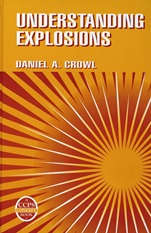
Understanding Explosions
ISBN 9780816907793
Autor: Daniel A. Crowl
Wydawca: Wiley
Dostępność: 3-6 tygodni
Cena: 718,20 zł
Przed złożeniem zamówienia prosimy o kontakt mailowy celem potwierdzenia ceny.
ISBN13: |
9780816907793 |
ISBN10: |
081690779X |
Autor: |
Daniel A. Crowl |
Oprawa: |
Hardback |
Rok Wydania: |
2003-07-01 |
Ilość stron: |
228 |
Wymiary: |
229x152 |
Tematy: |
PN |
There are many different types of explosions, each with its own complex mechanism. Understanding explosions is important in preventing them. This reference provides valuable information on explosions for everyone involved in the operation, design, maintenance, and management of chemical processes, helping enhance understanding of the nature of explosions and the practical methods required to prevent them from occurring.
The text includes: Fundamental basis for explosions Explosive and flammable behavior and characteristics of materials Different types of explosions Fire and explosion hazard recognition Practical methods for preventing explosions or minimizing the potential consequences Additional referencesUnderstanding Explosions provides a practical understanding of explosion fundamentals, including the different types of explosions, the explosive and flammable behavior of materials, and the hazards related to fires and explosions. It also discusses practical methods to prevent and minimize the probability and consequence of an explosion during routine use of flammable, combustible and/or reactive materials.
Spis treści:
Preface.
Acknowledgments.
Chapter 1. Introduction.
1.1. Accident Loss History.
1.2. The Accident Process (AIChE, 2000)
1.3. A Case History–Flixborough, England.
1.4. Hazard Identification and Evaluation.
1.5. Inherently Safer Design.
Chapter 2. Fundamentals of Fires and Explosions.
2.1. Gases and Vapors
2.1.1. Flammability Diagram.
2.1.2. Estimating Flammability Limits.
2.1.3. Temperature Effect on Flammability.
2.1.4. Pressure Effect on Flammability.
2.1.5. Flammability of Gaseous Mixtures.
2.1.6. Minimum Ignition Energies.
2.1.7. Autoignition Temperature.
2.1.8. Example Applications.
2.2. Liquids.
2.2.1. Flashpoints of Mixtures of Liquids.
2.2.2. Example Applications.
2.3. Aerosols and
Mists.
2.4. Dusts.
2.5. Hybrid Mixtures.
2.6. Kinetics and Thermochemistry.
2.6.1. Calculated Adiabatic Flame Temperatures (CAFT).
2.6.2. Example Application.
2.7. Gas Dynamics.
2.7.1. Detonations and Deflagrations.
2.7.2. Estimating Peak Side–on Overpressures.
2.7.3. Example Applications.
2.7.4. Pressure Piling and Deflagration to Detonation Transition.
2.8. Physical Explosions.
2.8.1. BLEVEs.
2.8.2. Rapid Phase Transition Explosions.
2.9. Vapor Cloud Explosions.
2.9.1. TNT Equivalency.
2.9.2. TNO Multi–Energy Method.
2.9.3. Baker–Strehlow–Tang Method (AIChE, 1999a).
2.9.4. Computational Fluid Mechanics (CFD) Method.
2.9.5. Example Applications.
2.10. Runaway Reactions.
2.10.1. Steady–State and Dynamic Reactor Behavior.
2.10.2. Experimental Characterization.
2.11. Condensed Phase Explosions.
2.12. Fireballs, Pool, Flash, and Jet Fires.
2.13. Explosion Effects.
2.13.1. Thermal Exposure.
2.13.2. Overpressure Exposure.
2.14. Ignition Sources.
2.14.1. Static Electricity.
Chapter 3. Prevention and Mitigation of Explosions.
3.1. Additional References.
3.2. Inherently Safer Design.
3.3. Using the Flammability Diagram to Avoid Flammable Atmospheres.
3.4. Inerting and Purging.
3.4.1. Vacuum Purging.
3.4.2. Pressure Purging.
3.4.3. Combined Pressure–Vacuum Purging.
3.4.4. Sweep Purging.
3.4.5. Siphon Purging.
3.4.6. Advantages and Disadvantages of the Various Interting Procedures.
3.4.7. Inert Gas Blanketing of Storage Vessels.
3.4.8. Inert Purging and Blanketing during Drumming Operations.
3.5. Example Application.
3.6. Explosion Venting.
3.7. Grounding and Bonding.
3.8. Ventilation.
3.9. Sprinkler and Deluge Systems.
3.10. Charging and Drumming Flammable Liquids.
3.11. Example Application.
3.12. Charging Powders.
3.13. Electrical Equipment in Hazardous (Classified) Areas.
3.1
3.1. Protection Techniques.
Appendix A. Detailed Equations for Flammability Diagrams.
Part A: Equations Useful for Gas Mixtures.
Part B: Equations Useful for Placing Vessels Into and Out of Service.
Appendix B. Equation for Determining the Energy of Explosion.
B.1. Example Application.
Appendix C. Flammability Data for Selected Materials.
Appendix D. Procedure for Example 3.2.
Appendix E. Combustion Data for Dust Clouds.
References.
Glossary.
Index.
Koszyk
Książek w koszyku: 0 szt.
Wartość zakupów: 0,00 zł
Informacje


Kontakt
Gambit
Centrum Oprogramowania
i Szkoleń Sp. z o.o.
Al. Pokoju 29b/22-24
31-564 Kraków
Siedziba Księgarni
ul. Kordylewskiego 1
31-542 Kraków
+48 12 410 5991
+48 12 410 5987
+48 12 410 5989
Subskrypcje
Administratorem danych osobowych jest firma Gambit COiS Sp. z o.o. Na podany adres będzie wysyłany wyłącznie biuletyn informacyjny.
Autoryzacja płatności

Informacje na temat autoryzacji płatności poprzez PayU.

© Copyright 2012: GAMBIT COiS Sp. z o.o. Wszelkie prawa zastrzeżone.
Projekt i wykonanie: Alchemia Studio Reklamy