


Wydawcy
Katalog tematyczny
- Archeologia (109)
- Ekonomia, finanse, business (13704)
- Filozofia (1445)
- Historia (3040)
- Języki i językoznawstwo (2356)
- Lifestyle, hobby i rozrywka (475)
- Medycyna (9704)
- Nauki humanistyczne (4)
- Nauki o Ziemi i środowisku (2638)
- Nauki ścisłe (20412)
- Astronomia (294)
- Biologia (5119)
- Chemia (6540)
- Chemia analityczna (361)
- Chemia fizyczna (346)
- Chemia nieorganiczna (137)
- Chemia organiczna (535)
- Krystalografia (27)
- Minerologia (46)
- Fizyka (3309)
- Matematyka (4574)
- Nauki ścisłe, ogólnie (503)
- Nauki społeczne (8486)
- Nauki techniczne (13450)
- Prawo (1696)
- Publikacje informacyjne i interdyscyplinarne (1288)
- Religia i wierzenia (917)
- Technika komputerowa (4067)
- Zdrowie, relacje międzyludzkie i rozwój osobisty (657)




Informacje szczegółowe o książce
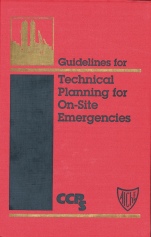
Guidelines for Technical Planning for On–Site Emergencies
ISBN 9780816906536
Autor: CCPS (Center for Chemical Process Safety)
Wydawca: Wiley
Dostępność: 3-6 tygodni
Cena: 947,10 zł
Przed złożeniem zamówienia prosimy o kontakt mailowy celem potwierdzenia ceny.
ISBN13: |
9780816906536 |
ISBN10: |
081690653X |
Autor: |
CCPS (Center for Chemical Process Safety) |
Oprawa: |
Hardback |
Rok Wydania: |
1995-06-01 |
Ilość stron: |
384 |
Wymiary: |
239x167 |
Tematy: |
PN |
Prevention, preparedness, response and recovery––the key components of emergency planning––form the major sections of this work. The book first describes PSM (Process Safety Management) as the key to prevention, then goes on to consider the main features of a preparedness program, including recognizing credible incidents, planning practical strategy to deal with these incidents, selecting necessary physical support systems and equipment, and developing a complete emergency response plan. The Response section presents the functions implemented during an actual emergency and concludes with a section on managing cleanup and restoration of operations. The many tables and figures include Sample Incident Command System Plans for both large and small organizations, OSHA and EPA regulations affecting planning, sample Fire Emergency Action Levels, HAZMAT Responder Levels, and OSHA Emergency Training Requirements.
Spis treści:
Preface.
Acknowledgments.
Acronyms.
PART A. PREVENTION.
1. Prevention Through Process Safety Management.
1.1 Technical Management of Chemical Process Safety: Basic Elements.
1.2 The Role of Emergency Preparedness.
References Cited.
2. Prevention And Mitigation.
2.1 Introduction.
2.2 Principles of Prevention.
2.2.1 Process Hazard Recognition.
2.2.2 Inherently Safer Plants.
2.2.3 Process Design Modification.
2.3 Principles of Mitigation.
2.3.1 Plant Siting/Buffers.
2.3.2 Unit Siting in Plant Design.
2.3.3 Principles of Mitigating Chemical Releases.
2.3.4 Postrelease Mitigation Systems.
2.3.5 Principles of Mitigrating Fires and Explosions.
References Cited.
PART B. PREPAREDNESS.
3. Identification of Credible Incidents.
3.1 Introduction.
3.2 Defining Credible Incidents.
3.3 Screening Techniques to Identify Focus Areas.
3.3.1 NFPA Fire Hazard Indices.
3.3.2 Toxicity/Mobility/Qu
antity Index.
3.3.3 Chemical Process Risk Indices.
3.4 Techniques For Identifying Credible Incidents For Emergency Planning.
3.4.1 Informal “Expert” Review.
3.4.2 Hazard Review to Support Emergency Planning.
3.4.3 Using Process Hazard Analysis to Support Emergency Planning.
3.5 Prioritizing Emergency Planning Incidents for Consequence Assessment.
3.6 Assessing Consequences and Impacts.
3.6.1 Tools.
3.6.2 Criteria for Defining Sensitive Areas.
3.6.3 Unexpected Hazards.
3.6.4 Other Effects.
3.7 Criteria for Selecting Incidents for Emergency Planning.
3.8 Reviewing Mitigation Systems.
References Cited.
Appendix A, Emergency Planning Guidelines: ERPGs/EEPGs.
4. Conceptual Approach to Emergency Response.
4.1 Introduction.
4.2 Capability and Resource Assessment.
4.2.1 Trained Personnel.
4.2.2 On–Site Response Equipment.
4.2.3 Response Equipment Available Off–Site.
4.2.4 Facilities.
4.2.5 Specialized Supplies and Contractors.
4.3 Determine Concept of Emergency Operations.
4.3.1 Effective Use of Inside and Outside Response.
4.3.2 Organizing for Credible Incident.
4.3.3 Classification of Emergencies.
4.4 Regulatory Considerations.
4.5 The Effect of Change on Emergency Preparedness.
References Cited.
5. Developing Response Tactics.
5.1 Introduction.
5.2 Principles of Responding to Fires.
5.2.1 Plant Fire Response Organization.
5.2.2 Integration of On–Site Fire Brigades and Off–Site Departments.
5.2.3 Response Tactics.
5.3 Hazardous Materials.
5.3.1 Hazardous Materials Response Regulations.
5.3.2 Hazmat Initial Assessment and Size–Up.
5.3.3 Hazmat Reconnaissance.
5.3.4 Work Zones.
5.5.5 Hazmat Tactical Action Plan.
5.5.6 Continual Reassessments.
5.5.7 Termination.
References Cited.
6. Physical
Facilities and Systems.
6.1 Introduction.
6.2 Facilities.
6.2.1 Short–Term Shelters and Safe Havens.
6.2.2 Emergency Operations Center (EOC).
6.2.3 Incident Scene Areas.
6.2.4 Media Information Center (MIC).
6.2.5 Control Rooms.
6.2.6 Medical Support Facilities.
6.2.7 Adequate Water Supplies.
6.3 Systems.
6.3.1 Detection/Early Warning Systems.
6.3.2 Communications System Design.
6.3.3 Community and Site Alerting and Notification Systems.
6.3.4 Computer Systems for Emergency Management.
6.3.5 Site Maps and Diagrams for Emergency Management.
6.3.6 Emergency Power Systems.
6.3.7 Weather Stations.
References Cited.
7. Response Equipment and Supplies.
7.1 Introduction.
7.2 Fire Apparatus.
7.3 Extinguishing Agents.
7.3.1 Water
7.3.2 Foams.
7.3.3 Dry Chemicals.
7.3.4 Dry Powders.
7.3.5 Halon.
7.3.6 Carbon Dioxide.
7.3.7 Miscellaneous Agents.
7.4 Inhibitors, Neutralizers, Sorbents.
7.4.1 Inhibitors.
7.4.2 Neutralizers.
7.4.3 Sorbents.
7.5 Personal Protective Equipment.
7.5.1 Materials for Protective Clothing.
7.5.2 Considerations.
7.5.3 Flash Protection.
7.5.4 Thermal Protection.
7.5.5 Choosing Appropriate Levels of Protection.
7.5.6 Respiratory Protection.
7.6 Heavy Equipment.
7.7 Adequate Inventory and Alternate/Outside Sources of Supply.
References Cited.
Appendix A. Channel Industry Standards for Apparatus.
8. Developing a Workable Plan.
8.1 Introduction.
8.2 Review Existing Plans or Procedures.
8.2.1 Review Existing Emergency–Related Facility Plans.
8.2.2 Review Neighboring Facility Plans.
8.2.3 Review Community Plans.
8.3 Determining Appropriate Plan Type.
8.3.1 Plan Types.
8.3.2 Plans, Procedures, and Instructions.
8.3.3 Coordination and Commonalty.
8.4 Determining Content.
8.5 Preparedness.
8.5.1 Training.
8.5.2 Drills and Exercises.
8.5.3 Supplies and Equipment.
8.5.4 Community Awareness.
8.5.5 Medical Surveillance Program.
8.6 General Response Procedures.
8.6.1 Alerting and Warning.
8.6.2 Communications.
8.6.3 Management Functions.
8.6.4 Evacuation and Personnel Accountability.
8.6.5 Emergency Shutdown Procedures.
8.6.6 Security.
8.6.7 Mutual Aid.
8.6.8 Public Information/Media.
8.6.9 Special Notifications and Fatality Procedure.
8.6.10 Reporting Requirements.
8.7 Hazard–Specific Procedures.
8.7.1 Fire.
8.7.2 Chemical Release.
8.7.3 Medical and Rescue.
8.7.4 Hurricane.
8.7.5 Tornado and High Wind.
8.7.6 Freeze/Winter Storm.
8.7.7 Flood.
8.8 Writing the Plan.
8.9 Ensure Integration with Other Plans.
8.10 Plan Review and Maintenance.
8.11 Exercise Regularly/Critique to verify Planning Assumptions.
8.11.1 Planning an Exercise.
8.11.2 Exercising without Interfering with Plant Operations.
References Cited.
Appendix A. Regulations Applicable to Emergency Equipment and Supplies.
Appendix B. Sample Emergency Procedures Format and Instruction.
9. Using Modeling for Emergency Planning.
9.1 Introduction.
9.2 Consequence Analysis.
9.3 Using Models for Developing Emergency Response Plans.
9.3.1 Input Data Needs.
9.3.2 Interpretation of Results.
9.4 Utilizing Appropriate Models.
9.5 Real–Time Emergency Response Modeling Systems.
References Cited.
10. Training Requirements.
10.1 Introduction.
10.2 General Requirements.
10.2.1 OSHA Emergency Training Requirements.
10.2.2 Basic Emergency Training.
10.2.3 Operating Personnel.
10.3 Emergency Response Personnel.
10.3.1 General.
10.3.2 Fire Brigade Training.
10.3.3 Hazardous Materials Response Training.
10.4 Support Perso
Koszyk
Książek w koszyku: 0 szt.
Wartość zakupów: 0,00 zł
Informacje


Kontakt
Gambit
Centrum Oprogramowania
i Szkoleń Sp. z o.o.
Al. Pokoju 29b/22-24
31-564 Kraków
Siedziba Księgarni
ul. Kordylewskiego 1
31-542 Kraków
+48 12 410 5991
+48 12 410 5987
+48 12 410 5989
Subskrypcje
Administratorem danych osobowych jest firma Gambit COiS Sp. z o.o. Na podany adres będzie wysyłany wyłącznie biuletyn informacyjny.
Autoryzacja płatności

Informacje na temat autoryzacji płatności poprzez PayU.

© Copyright 2012: GAMBIT COiS Sp. z o.o. Wszelkie prawa zastrzeżone.
Projekt i wykonanie: Alchemia Studio Reklamy