


Wydawcy
Katalog tematyczny
- Archeologia (109)
- Ekonomia, finanse, business (13704)
- Filozofia (1445)
- Historia (3040)
- Języki i językoznawstwo (2356)
- Lifestyle, hobby i rozrywka (475)
- Medycyna (9704)
- Nauki humanistyczne (4)
- Nauki o Ziemi i środowisku (2638)
- Nauki ścisłe (20412)
- Astronomia (294)
- Biologia (5119)
- Chemia (6540)
- Chemia analityczna (361)
- Chemia fizyczna (346)
- Chemia nieorganiczna (137)
- Chemia organiczna (535)
- Krystalografia (27)
- Minerologia (46)
- Fizyka (3309)
- Matematyka (4574)
- Nauki ścisłe, ogólnie (503)
- Nauki społeczne (8486)
- Nauki techniczne (13450)
- Prawo (1696)
- Publikacje informacyjne i interdyscyplinarne (1288)
- Religia i wierzenia (917)
- Technika komputerowa (4067)
- Zdrowie, relacje międzyludzkie i rozwój osobisty (657)





Informacje szczegółowe o książce
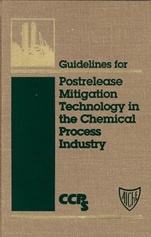
Guidelines for Postrelease Mitigation Technology in the Chemical Process Industry
ISBN 9780816905881
Autor: CCPS (Center for Chemical Process Safety)
Wydawca: Wiley
Dostępność: 3-6 tygodni
Cena: 617,40 zł
Przed złożeniem zamówienia prosimy o kontakt mailowy celem potwierdzenia ceny.
ISBN13: |
9780816905881 |
ISBN10: |
0816905886 |
Autor: |
CCPS (Center for Chemical Process Safety) |
Oprawa: |
Hardback |
Rok Wydania: |
1996-12-01 |
Ilość stron: |
192 |
Wymiary: |
236x144 |
Tematy: |
PN |
This book puts together a body of very recent information never before presented in one volume on the design of post–release mitigation systems. The development of a fundamental knowledge base on post–release mitigation systems, through testing and data correlation, is very new. While further research and development is needed, this practical work offers guidance on putting post–release countermeasures to work now. The book presents current engineering methods for minimizing the consequences of the release of toxic vapors, or ignition of flammable vapors, including passive and active systems intended to reduce or eliminate significant acute effects of a dispersing vapor cloud in the plant facility, or into the surrounding community. As in all CCPS works, the book emphasizes planning and a systems approach, shows limitations of any methods discussed, and provides numerous references so that the reader may continue to learn.
Spis treści:
Chapter 1. Introduction to Postrelease Mitigation.
1.1. Introduction.
1.2. Scope of This Book.
1.3. Benefits of Postrelease mitigation Techniques.
1.4. How to Use This Guideline.
1.5. Guideline Organization and Content.
1.6. References.
Chapter 2. Overview of release Scenarios and Post release. Mitigation.
2.1. Introduction.
2.2. Mitigation Categories.
2.3. Prerelease Mitigation Techniques.
2.3.1. Inherently Safer Design.
2.3.2. Physical Integrity of a Plant.
2.3.3. Process Integrity.
2.3.4. Emergency Relief Treatment Systems.
2.3.5. Emergency Process Abort Systems.
2.3.6. Emergency Isolation of Releases.
2.4. Release Scenarios and Consequences.
2.4.1. Types of Releases.
2.4.2. Liquid Releases.
2.4.3. Liquid Pool Formation.
2.4.4. Flashing, Mixed Liquid–Vapor Releases.
2.4.5. Behavior of Flashing, Mixed Liquid–Vapor Releases.
2.4.6. Gases/Vapors.
2.5. Consequences of a release.
2.5.1. Nature of Hazards.
2.
5.2. Toxic and Flammable Dispersion.
2.5.3. Thermal Radiation.
2.5.4. Explosions.
2.5.5. Explosion Hazards.
2.6. Postrelease Mitigation Techniques.
2.6.1. Containment or Suppression to Limit Releases to the Air.
2.6.2. Countermeasures.
2.7. References.
3. Vaporization Reduction.
3.1. Introduction.
3.1.1. Why Reduce Vaporization Rates?
3.1.2. Methodology.
3.2. Refrigeration.
3.2.1. Effect of Refrigeration on Vaporization Rates.
3.2.2. System Issues.
3.2.3. Reactive Materials.
3.3. Covers.
3.3.1. Vapor Suppression Foams.
3.3.2. Dry Chemical Covers.
3.3.3. Other Covering Techniques.
3.4. Deliberate Ignition.
3.5. References.
Chapter 4. Fluid Curtains.
4.1. Introduction.
4.2. Previous Work.
4.3. Absorption/Mass Transfer.
4.4. Air Dilution.
4.5. Defining Spray Requirements for Mitigation.
4.5.1. Water Curtain Design Example.
4.5.2. Spray Nozzles.
4.5.3. Water Supply Capacity, Pressurization, and Reliability.
4.5.4. Fixed Water–Spray Systems.
4.5.5. Monitor Nozzle and Hydrant Protection.
4.5.6. Environmental Considerations.
4.6. Vapor–Phase Dilution Systems.
4.6.1. Overview.
4.6.2. Steam Curtains.
4.6.3. Air Curtains.
4.6.4. Foam Scrubbing.
4.6.5. Dry Powder Curtains.
4.7. References.
5. Secondary Containment.
5.1. Introduction.
5.2. Diking.
5.2.1. Optimal Dike Geometry.
5.2.2. Materials for Dike Construction.
5.2.3. Provisions for Removal of Materials From a Dike.
5.2.4. Regulatory Requirements Regarding Diking.
5.2.5. Emergency Response Dikes.
5.3. Double–Wall Containment.
5.4. Enclosures.
5.5. Transfer Vessels.
5.6. Leak Plugging.
5.6.1. Patching.
5.6.2. Freezing.
5.7. Physical Vapor Barriers.
5.7.1. Overview.
5.7.2. Vapor Fences.
5.7.3. Vapor Boxes.
5.7.4. Applicability of Vapor Barrier Devices.
5.7.5. Effects of Process Equipment and Structures.
5.8. References.
Cha
pter 6. Detection and Response.
6.1. Introduction.
6.2. Leak Detection.
6.2.1. Fixed–Point Detectors.
6.2.2. Sampling Systems.
6.2.3. Portable Detectors.
6.2.4. Detector System Response Times.
6.2.5. Detector Placement.
6.2.6. System Reliability.
6.3. Emergency Response.
6.3.1. Introduction.
6.3.2. Fundamentals of a Comprehensive Emergency Response Plan.
6.3.3. Emergency Response Training.
6.4. Community Relationships and Interactions.
6.5. Drills and Simulations.
6.5.1. Table–Top Exercises.
6.5.2. Plant–Wide Emergency Drills.
6.5.3. Full–Scale Emergency Simulations.
6.6. Temporary Havens.
6.6.1. Criteria for Use.
6.6.2. Design Criteria.
6.6.3. Capacity.
6.6.4. Communications and Other Equipment.
6.7. References.
Chapter 7. Examples of Mitigation Effectiveness.
7.1. Introduction.
7.2. Consequence Modeling.
7.3. Basis for Examples.
7.4. Modeling Conditions.
7.5. Effect of Diking.
7.6. Use of Foam.
7.7. Mitigation by Refrigeration.
7.7.1. Pressure Storage of Ammonia.
7.7.2. Refrigerated/Ammonia Storage.
7.7.3. Refrigeration Combined with Diking.
7.8. Use of Water Sprays.
7.9. Mitigation System Selection.
7.10. References.
Koszyk
Książek w koszyku: 0 szt.
Wartość zakupów: 0,00 zł
Informacje


Kontakt
Gambit
Centrum Oprogramowania
i Szkoleń Sp. z o.o.
Al. Pokoju 29b/22-24
31-564 Kraków
Siedziba Księgarni
ul. Kordylewskiego 1
31-542 Kraków
+48 12 410 5991
+48 12 410 5987
+48 12 410 5989
Subskrypcje
Administratorem danych osobowych jest firma Gambit COiS Sp. z o.o. Na podany adres będzie wysyłany wyłącznie biuletyn informacyjny.
Autoryzacja płatności

Informacje na temat autoryzacji płatności poprzez PayU.

© Copyright 2012: GAMBIT COiS Sp. z o.o. Wszelkie prawa zastrzeżone.
Projekt i wykonanie: Alchemia Studio Reklamy