


Wydawcy
Katalog tematyczny
- Archeologia (109)
- Ekonomia, finanse, business (13704)
- Filozofia (1445)
- Historia (3040)
- Języki i językoznawstwo (2356)
- Lifestyle, hobby i rozrywka (475)
- Medycyna (9704)
- Nauki humanistyczne (4)
- Nauki o Ziemi i środowisku (2638)
- Nauki ścisłe (20412)
- Astronomia (294)
- Biologia (5119)
- Chemia (6540)
- Chemia analityczna (361)
- Chemia fizyczna (346)
- Chemia nieorganiczna (137)
- Chemia organiczna (535)
- Krystalografia (27)
- Minerologia (46)
- Fizyka (3309)
- Matematyka (4574)
- Nauki ścisłe, ogólnie (503)
- Nauki społeczne (8486)
- Nauki techniczne (13450)
- Prawo (1696)
- Publikacje informacyjne i interdyscyplinarne (1288)
- Religia i wierzenia (917)
- Technika komputerowa (4067)
- Zdrowie, relacje międzyludzkie i rozwój osobisty (657)





Informacje szczegółowe o książce
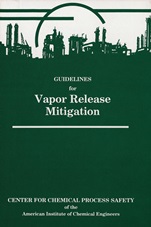
Guidelines for Vapor Release Mitigation
ISBN 9780816904013
Autor: Richard W. Prugh, Robert W. Johnson
Wydawca: Wiley
Dostępność: 3-6 tygodni
Cena: 520,80 zł
Przed złożeniem zamówienia prosimy o kontakt mailowy celem potwierdzenia ceny.
ISBN13: |
9780816904013 |
ISBN10: |
0816904014 |
Autor: |
Richard W. Prugh, Robert W. Johnson |
Oprawa: |
Hardback |
Rok Wydania: |
1988-04-01 |
Ilość stron: |
176 |
Wymiary: |
238x168 |
Tematy: |
PN |
Guidelines for Vapor Release Mitigation is a survey of current industrial practice for controlling accidental releases of hazardous vapors and preventing their escape from the source area.
Spis treści:
Preface.
Acknowledgments.
Summary.
Glossary.
Chapter 1. Introduction.
1.1. Objective.
1.2. Hazard of Accidental Vapor Cloud Releases.
1.3. Types of Vapor Clouds.
1.3.1. Flammable Vapor Clouds.
1.3.2. Toxic Vapor Clouds.
1.3.3. Flammable–Toxic Vapor Clouds.
1.3.4. Other Types of Vapor Clouds.
1.4. Forms of Vapor Release.
1.5. Release Causes.
1.6. Possible Consequences of Vapor Cloud Releases.
1.6.1. Toxic Effects.
1.6.2. Fires.
1.6.3. Explosions.
1.7. Analysis of the Need for Mitigation.
1.8. Vapor Release Mitigation Approaches.
Chapter 2. Mitigation through Inherently Safer Plants.
2.1. Inventory Reduction.
2.2. Chemical Substitution.
2.3. Process Modification.
2.3.1. Refrigerated Storage.
2.3.2. Dilution.
2.4. Siting Considerations.
Chapter 3. Engineering Design Approaches to Mitigation.
3.1. Plant Physical Integrity.
3.1.1. Design Practices.
3.1.2. Materials of Construction.
3.2. Process Integrity.
3.2.1. Identification of reactants and Solvents.
3.2.2. Limits on Operating Conditions.
3.2.3. Process Control Systems.
3.2.4. Pressure Relief Systems.
3.2.4.1. Relief Devices.
3.2.4.2. Relief Headers.
3.3. Process Design Features for Emergency Control.
3.3.1. Emergency Relief Treatment Systems.
3.3.1.1. Active Scrubbers.
3.3.1.2. Passive Scrubbers.
3.3.1.3. Stacks.
3.3.1.4. Flares.
3.3.1.5. Catchtanks for Vapor–Liquid Separation.
3.3.1.6. Incinerators.
3.3.1.7. Absorbers.
3.3.1.8. Adsorbers.
3.3.1.9. Condensers.
3.3.2. Emergency Process Abort Systems.
3.3.3. Emergency Isolation of Leak/Break.
3.3.3.1. Isolation Devices.
3.3.3.2.
Remote Isolation.
3.3.3.3. Inspection and Testing of Isolation Devices.
3.3.4. Emergency Transfer of Materials.
3.3.4.1. Transfer of Vapor/Cover Gas to Reduce Driving Pressure.
3.3.4.2. transfer of Liquids to reduce Inventory Available for Release.
3.4. Spill containment.
3.4.1. Double Containment.
3.4.2. Enclosures and Walls.
3.4.3. Dikes, Curbs, Trenches, and Impoundments.
Chapter 4. Process Safety Management Approaches to Mitigation.
4.1. Operating Policies and Procedures.
4.2. Training for Vapor Release Prevention and Control.
4.3. Audits and Inspections.
4.4. Equipment Testing.
4.5. Maintenance Programs.
4.6. Modifications and Changes.
4.7. Methods for Stopping a Leak.
4.7.1. Patching.
4.7.2. Freezing.
4.8. Security.
Chapter 5. Mitigation through Early Vapor Detection and Warning.
5.1. Detectors and Sensors.
5.1.1. Types of Sensors.
5.1.1.1. Combustion.
5.1.1.2. Catalytic.
5.1.1.3. Electrical.
5.1.1.4. Chemical Reaction.
5.1.1.5. Visual.
5.1.1.6. Absorption/Scattering.
5.1.2. Response Time of Sensors.
5.1.3. Positioning of Sensors.
5.2. Detection by Personnel.
5.2.1. Odor Warning Properties.
5.2.2. Color or Fog.
5.3. Alarm Systems.
Chapter 6. Mitigation through Countermeasures.
6.1. Vapor/Liquid Releases.
6.2. Vapor Release Countermeasures.
6.2.1. Water Sprays.
6.2.2. Water Curtains.
6.2.3. Steam Curtains.
6.2.4. Air Curtains.
6.2.5. Deliberate Ignition.
6.2.6. Ignition Source Control.
6.3. Liquid Release Countermeasures.
6.3.1. Dilution.
6.3.2. Neutralization.
6.3.3. Covers.
6.3.3.1. Liquids.
6.3.3.2. Foams.
6.3.3.3. Solids.
6.3.3.4. Application.
6.4. Avoidance of Factors that Aggravate Vaporization
Chapter 7. On–Site Emergency Response.
7.1. On–Site communications.
7.2. Emergency Shutdown Equipment and Procedures.
7.3. Site Evacuation.
7.4. Havens.7.5. Escape from Vapor Cloud.
7.6. Personal Protective Equipment.
7.7. Medical Treatment.
7.8. On–Site Emergency Plans, Procedures, Training, and Drills.
Chapter 8. Alerting Local Authorities and the Public.
8.1. Alerting Systems.
8.1.1. Capabilities.
8.1.2. Input Requirements.
8.2. Roles and Lines of Communication.
8.3. Information to Be Communicated.
Chapter 9. Selection of Mitigation Measures.
9.1. Risk Analysis.
9.2. Method for Hazard Identification.
9.3. Method for Estimating the Consequences of Accidents.
9.4. Methods for Estimating the Probability of Accidents.
Appendix A. Loss–of–Containment Causes in the Chemical Industry.
Appendix B. Properties of Some Hazardous Materials.
Appendix C. Derivation of Fog Correlations.
Appendix D. Catchtank Design.
Appendix E. Capacity of Havens.
Appendix F. Sources to Vapor–mitigation Equipment Vendors.
Subject Index.
Koszyk
Książek w koszyku: 0 szt.
Wartość zakupów: 0,00 zł
Informacje


Kontakt
Gambit
Centrum Oprogramowania
i Szkoleń Sp. z o.o.
Al. Pokoju 29b/22-24
31-564 Kraków
Siedziba Księgarni
ul. Kordylewskiego 1
31-542 Kraków
+48 12 410 5991
+48 12 410 5987
+48 12 410 5989
Subskrypcje
Administratorem danych osobowych jest firma Gambit COiS Sp. z o.o. Na podany adres będzie wysyłany wyłącznie biuletyn informacyjny.
Autoryzacja płatności

Informacje na temat autoryzacji płatności poprzez PayU.

© Copyright 2012: GAMBIT COiS Sp. z o.o. Wszelkie prawa zastrzeżone.
Projekt i wykonanie: Alchemia Studio Reklamy