


Wydawcy
Katalog tematyczny
- Archeologia (109)
- Ekonomia, finanse, business (13704)
- Filozofia (1445)
- Historia (3040)
- Języki i językoznawstwo (2356)
- Lifestyle, hobby i rozrywka (475)
- Medycyna (9704)
- Chirurgia (272)
- Inne gałęzie medycyny (1871)
- Medycyna kliniczna (4187)
- Medycyna niekonwencjonalna (14)
- Medycyna przedkliniczna (269)
- Medycyna, ogólnie (1740)
- Medyczne służby pomocnicze (745)
- Studia medyczne (16)
- Weterynaria (548)
- Nauki humanistyczne (4)
- Nauki o Ziemi i środowisku (2638)
- Nauki ścisłe (20412)
- Nauki społeczne (8486)
- Nauki techniczne (13450)
- Prawo (1696)
- Publikacje informacyjne i interdyscyplinarne (1288)
- Religia i wierzenia (917)
- Technika komputerowa (4067)
- Zdrowie, relacje międzyludzkie i rozwój osobisty (657)





Informacje szczegółowe o książce
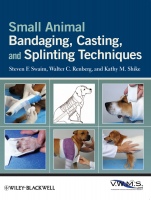
Small Animal Bandaging, Casting, and Splinting Techniques
ISBN 9780813819624
Autor: Steven F. Swaim, Walter C. Renberg, Kathy M. Shike
Wydawca: Wiley
Dostępność: 3-6 tygodni
Cena: 291,90 zł
Przed złożeniem zamówienia prosimy o kontakt mailowy celem potwierdzenia ceny.
ISBN13: |
9780813819624 |
ISBN10: |
0813819628 |
Autor: |
Steven F. Swaim, Walter C. Renberg, Kathy M. Shike |
Oprawa: |
Paperback |
Rok Wydania: |
2011-01-28 |
Ilość stron: |
146 |
Wymiary: |
250x219 |
Tematy: |
MZ |
Small Animal Bandaging, Casting and Splinting Techniques is a well–illustrated how–to manual covering common bandaging methods used to support and manage both soft tissue and orthopedic conditions in small animal patients. This very practical book offers step–by–step procedures with accompanying photographs to aid in the secure and effective application of bandages, casts, and splints. Coverage includes indications, aftercare, advantages, and potential complications for each technique. Small Animal Bandaging, Casting and Splinting Techniques is an indispensable guide for busy veterinary technicians and nurses, as well as veterinarians and veterinary students. Key features Provides a practical how–to reference for effectively using bandages, casts, and splints on small animals Illustrates proper techniques through step–by–step photographs Covers indications, aftercare, advantages, and potential complications Includes both soft tissue and orthopedic considerations
Mission Statement. Foreword. Preface. Acknowledgments. Chapter 1 – Basics of Bandaging, Casting, and Splinting. Bandaging. Purpose and functions of a bandage. Components of a bandage. Primary–contact layer. Highly absorptive dressings. Gauze dressings. Hypertonic saline dressings. Calcium alginate dressings. Copolymer starch dressings. Moisture–retentive dressings. Polyurethane foam dressings. Polyurethane film dressings. Hydrogel dressings. Hydrocolloid dressings. Nonadherent semiocclusive dressings. Antimicrobial dressings. Extracellular matrix bioscaffold dressings. Secondary–intermediate layer. Tertiary–outer layer. Special considerations in bandaging, casting, and splinting. Frequency of changes. Security. Pressure relief. Joint immobilization. Maceration and excoriation. Need for sedation or anesthesia during bandage change. Casts and splints. General information. Purposes and functions of casts and splints. Materials. Splint rods. Commercial splints. Plastic splinting material. Stockinette. Casting tapes. Chapter 2 – Head and Ear Bandages. Emergency ear bandage. Indications. Technique. Aftercare. Advantages and complications. Basic head and ear bandage. Indications. Technique. Aftercare. Advantages and complications. Chapter 3 – Thoracic, Abdominal, and Pelvic Bandages. Thoracic, abdominal bandages. Circumferential thoracic, abdominal bandage. Indications. Technique. Aftercare. Advantages and complications. Windowed thoracic, abdominal bandage. Indications. Technique. Aftercare. Advantages and complications. Thoracic, abdominal tie–over bandage. Indications. Technique. Aftercare. Advantages and complications. Pelvic bandages. Circumferential pelvic bandage. Indications. Technique. Aftercare. Advantages and complications. Windowed pelvic bandage. Indications. Technique. Aftercare. Advantages and complications. Pelvic tie–over bandage. Indications. Technique. Aftercare. Advantages and complications. Pelvic extension splints. Indications. Technique. Aftercare. Advantages and complications. Chapter 4 – Extremity Bandages, Casts, and Splints. Tail bandages. Indications. Technique. Aftercare. Advantages and complications. Forelimb bandages, casts, and splints. Basic soft padded limb bandage. Indications. Technique. Aftercare. Bandage removal. Bandage replacement. Advantages and complications. Interdigital and interpad areas. Primary bandage layer. Secondary bandage layer. Tertiary bandage layer. Basic paw and distal limb bandage. Indications. Technique. Interdigital/interpad areas. Primary bandage layer, “donut” pads, and “stirrups”. Secondary bandage layer. Tertiary bandage layer. Aftercare. Bandage removal. Bandage replacement. Advantages and complications. Interdigital/interpad area. Primary bandage layer. Secondary bandage layer. Tertiary bandage layer. Paw pad pressure relief. Indications. Technique—moderate wounds on small to medium–sized dogs. Metacarpal/metatarsal pad. Digital pads. Aftercare—moderate wounds on small to medium–sized dogs. Advantages and complications—moderate wounds on small to medium–sized dogs. Technique—major reconstructive or salvage paw surgery, especially on large dogs. "Clamshell" splints. One–half "clamshell" splint. Aftercare—major reconstructive or salvage paw surgery, especially on large dogs. Advantages and complications—major reconstructive or salvage paw surgery, especially on large dogs. Dorsal paw pressure relief. Indications. Technique. Aftercare. Advantages and complications. Carpal sling. Indications. Technique. Aftercare. Advantages and complications. Basic forelimb splint. Indications. Technique. Aftercare. Advantages and complications. Basic forelimb cast. Spica bandage and lateral splint. Indications. Technique. Aftercare. Advantages and complications. Aluminum rod loop elbow splint. Indications. Technique. Aftercare. Advantages and complications. Velpeau sling. Indications. Technique. Aftercare. Advantages and complications. Pelvic limb bandages, casts, and splints. Basic soft padded limb bandage. Basic pelvic limb splint. Basic pelvic limb cast. Indications. Technique. Aftercare. Advantages and complications. Ehmer sling. Indications. Technique. Aftercare. Advantages and complications. 90/90 sling. Indications. Technique. Aftercare. Advantages and complications. Tie–over bandage. Indications. Technique. Aftercare. Advantages and complications. Chapter 5 – Restraint. Elizabethan collar. Plastic wrap–around collar. Towel collar. Muzzles. Side braces. Topical chemical deterrents. Electronic devices. Appendix. Index.
Steven Swaim , DVM, is a professor emeritus at Auburn University. Walter Renberg , DVM, DACVS, is an associate professor at Kansas State University Kathy Shike , RVT, is a veterinary technician supervisor at Kansas State University.
“The real mainstay of this book comes in educating those inexperienced in bandage application and I believe it to be indispensable to those studying towards a veterinary nursing or veterinary undergraduate degree.” ( VN Times Veterinary Nursing Times , 1 October 2012) "This book is a must have for veterinary nurses and technicians." (Tomorrow′s Vets, 1 January 2012) "The chapter on extremity bandaging is excellent . . . Also illustrated are body, hip, shoulder, abdomen, and head bandages. All of them clever and innovative by their design." (Vin Book Reviews, 2011) "This is a concise and complete bandaging reference for small animal practitioners. The figures and descriptions provide clear and easy to understand instructions on bandaging, casting, and splinting the small animal patient. In addition to clear written descriptions, the book contains excellent quality step–by–step photographic depictions of bandage placement. When compared to surgery books such as the Textbook of Small Animal Surgery , 3rd edition Slatter (Elsevier, 2003), or Small Animal Surgery , 3rd edition, Fossum et al. (Elsevier, 2007), this one provides better stepwise instruction on use of both simple and more complex bandages. The quality of its photographic instructions is far superior to that of these other books." ( Doody′s Reviews , May 2011)
Koszyk
Książek w koszyku: 0 szt.
Wartość zakupów: 0,00 zł
Informacje


Kontakt
Gambit
Centrum Oprogramowania
i Szkoleń Sp. z o.o.
Al. Pokoju 29b/22-24
31-564 Kraków
Siedziba Księgarni
ul. Kordylewskiego 1
31-542 Kraków
+48 12 410 5991
+48 12 410 5987
+48 12 410 5989
Subskrypcje
Administratorem danych osobowych jest firma Gambit COiS Sp. z o.o. Na podany adres będzie wysyłany wyłącznie biuletyn informacyjny.
Autoryzacja płatności

Informacje na temat autoryzacji płatności poprzez PayU.

© Copyright 2012: GAMBIT COiS Sp. z o.o. Wszelkie prawa zastrzeżone.
Projekt i wykonanie: Alchemia Studio Reklamy