


Wydawcy
Katalog tematyczny
- Archeologia (109)
- Ekonomia, finanse, business (13704)
- Filozofia (1445)
- Historia (3040)
- Języki i językoznawstwo (2356)
- Lifestyle, hobby i rozrywka (475)
- Medycyna (9704)
- Nauki humanistyczne (4)
- Nauki o Ziemi i środowisku (2638)
- Nauki ścisłe (20412)
- Astronomia (294)
- Biologia (5119)
- Biochemia (575)
- Biologia człowieka (14)
- Biologia komórkowa (377)
- Biologia molekularna (398)
- Biologia rozwoju (130)
- Biologia, ogólnie (1277)
- Botanika (280)
- Hydrobiologia (92)
- Mikrobiologia (363)
- Mykologia (22)
- Zoologia (303)
- Chemia (6540)
- Fizyka (3309)
- Matematyka (4574)
- Nauki ścisłe, ogólnie (503)
- Nauki społeczne (8486)
- Nauki techniczne (13450)
- Prawo (1696)
- Publikacje informacyjne i interdyscyplinarne (1288)
- Religia i wierzenia (917)
- Technika komputerowa (4067)
- Zdrowie, relacje międzyludzkie i rozwój osobisty (657)





Informacje szczegółowe o książce
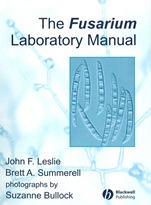
The Fusarium Laboratory Manual
ISBN 9780813819198
Autor: John F. Leslie, Brett A. Summerell, Suzanne Bullock
Wydawca: Wiley
Dostępność: 3-6 tygodni
Cena: 838,95 zł
Przed złożeniem zamówienia prosimy o kontakt mailowy celem potwierdzenia ceny.
ISBN13: |
9780813819198 |
ISBN10: |
0813819199 |
Autor: |
John F. Leslie, Brett A. Summerell, Suzanne Bullock |
Oprawa: |
Paperback |
Rok Wydania: |
2006-07-26 |
Ilość stron: |
388 |
Wymiary: |
271x239 |
Tematy: |
PS |
For the first time in over 20 years, a comprehensive collection ofphotographs and descriptions of species in the fungal genus
Fusarium is available. This laboratory manual provides anoverview of the biology of
Fusarium and the techniquesinvolved in the isolation, identification and characterization ofindividual species and the populations in which they occur. It isthe first time that genetic, morphological and molecular approacheshave been incorporated into a volume devoted to
Fusariumidentification. The authors include descriptions of species, bothnew and old, and provide protocols for genetic, morphological andmolecular identification techniques.
The Fusarium Laboratory Manual also includes some of theevolutionary biology and population genetics thinking that hasbegun to inform the understanding of agriculturally importantfungal pathogens. In addition to practical how–to protocols it also provides guidance in formulating questions andobtaining answers about this very important group of fungi. Theneed for as many different techniques as possible to be used in theidentification and characterization process has never been greater.These approaches have applications to fungi other than those in thegenus Fusarium. This volume presents an introduction to thegenus Fusarium, the toxins these fungi produce and the diseasesthey can cause.
Foreword.
Preface.
1. Introduction.
Techniques and Methods.
2. Media Recipes and Preparation.
2.1 Media for Growing and Identifying Fusarium.
2.2 Supplementary Identification Media.
2.3 Media for Isolating Fusarium.
2.4 Media for the Preparation of Natural Inocula.
2.5 Synthetic and Semi–synthetic Media.
2.6 Media for Sexual Crosses.
2.7 Sterilization of Media and Materials.
3. Techniques for Recovering Fusarium.
3.1 Collecting strategy(ies).
3.2 Isolation Techniques Plants.
3.3 Isolation Techniques Soil.
3.4 Isolation Techniques Spore Trapping and AirSampling.
3.5 Seed Disinfestation.
4. Techniques for Growing and MaintainingFusarium.
4.1 Vegetative Propagation.
4.2 Preparing Cultures for Identification.
4.3 Single Spore Subcultures.
4.4 Mutagenesis.
4.5 Culture Preservation.
5. Vegetative Compatibility Groups (VCGs).
5.1 History of and Genetic Basis Underlying VegetativeCompatibility.
5.2 Overall Strategy for Determining if Strains are VegetativelyCompatible.
5.3 Recovering and Identifying nit Mutants.
5.4 Typical Pairing Protocols.
5.5 Common Trouble Spots HSI, crn, and NitMs.
5.6 Characterizing a Population with VCGs.
6. Fertility Concepts.
6.1 Heterothallic, Homothallic and Pseudohomothallic.
6.2 Mating Type.
6.3 Population Effects of Mating Type.
6.4 Male, Female, and Hermaphrodite.
6.5 Crossing Protocols.
6.6 Developing Female–Fertile Tester Strains.
6.7 Species Identification Through Sexual Crosses.
7. Nucleic Acid Analyses.
7.1 DNA Extraction and Purification.
7.2 PCR Mating–Type Alleles.
7.3 Amplified Fragment Length Polymorphisms (AFLPs).
7.4 Sequence Analysis and Sequenced Loci.
7.5 Genetic Maps.
Taxonomy and Identification ofFusarium.
8. A Brief History of Fusarium Taxonomy.
9. Species Concepts in Fusarium.
9.1 Generic Problems in Speciation in Fusarium.
9.2 Morphological Species Concepts.
9.3 Biological Species Concepts.
9.4 Phylogenetic Species Concepts.
9.5 How Many Strains Make a Species?.
9.6 Species Names.
9.7 Subspecific Terminology.
9.8 A Species Concept for Fusarium.
10. Teleomorphs of Fusarium.
10.1 Taxonomy of Teleomorphs.
10.2 General Teleomorph Characters.
10.3 Sexual Development and Differentiation.
10.4 Spore Killer.
10.5 Anamorph–Teleomorph Connections.
11. Practical Approaches to Identification.
11.1 Overall Identification Strategy.
11.2 The Diseased Plant and Its Geographic Origin.
11.3 Native and Agricultural Populations.
11.4 Culture Preparation.
11.5 The Essence of Morphological Identifications.
11.6 Beyond Morphology Sexual Cross Fertility.
11.7 Beyond Morphology Molecular Diagnostics.
11.8 The Special Case of Fusarium oxysporum.
11.9 Differences Between Temperate and Tropical Regions.
11.10 Conclusions.
Species Descriptions.
12. Morphological Characters.
12.1 Macroconidia.
12.2 Microconidia.
12.3 Chlamydospores.
12.4 Other Characters.
12.5 Secondary Characters.
13. Species Descriptions.
F. acuminatum.
F. acutatum.
F. andiyazi.
F. anthophilum.
F. armeniacum.
F. avenaceum.
F. aywerte.
F. babinda.
F. begoniae.
F. beomiforme.
F. brevicatenulatum.
F. bulbicola.
F. camptoceras.
F. chlamydosporum.
F. circinatum.
F. compactum.
F. concentricum.
F. crookwellense (F. cerealis).
F. culmorum.
F. decemcellulare.
F. denticulatum.
F. dimerum.
F. dlamini.
F. equiseti.
F. foetens.
F. fujikuroi.
F. globosum.
F. graminearum.
F. guttiforme.
F. heterosporum.
F. hostae.
F. konzum.
F. lactis.
F. lateritium.
F. longipes.
F. mangiferae.
F. merismoides.
F. miscanthi.
F. musarum.
F. napiforme.
F. nelsonii.
F. nisikadoi.
F. nurragi.
F. nygamai.
F. oxysporum.
F. phyllophilum.
F. poae.
F. polyphialidicum.
F. proliferatum.
F. pseudoanthophilum.
F. pseudocircinatum.
F. pseudograminearum.
F. pseudonygamai.
F. ramigenum.
F. redolens.
F. sacchari.
F. sambucinum.
F. scirpi.
F. semitectum (F. incarnatum).
F. solani.
F. sporotrichioides.
F. sterilihyphosum.
F. subglutinans.
F. succisae.
F. thapsinum.
F. torulosum.
F. tricinctum.
F. udum.
F. venenatum.
F. verticillioides.
References.
Index
John F. Leslie received his Ph.D. in genetics from theUniversity of Wisconsin, Madison in 1979 and is currently aProfessor of Plant Pathology and Genetics at Kansas StateUniversity.
Brett A. Summerell received his Ph.D. in Plant Pathologyfrom the University of Sydney in 1988 at which time he moved to theRoyal Botanic Gardens (Sydney, Australia), where he currently isthe Director of Science and Public Programs.
Drs. Leslie and Summerell organize an annual FusariumLaboratory Workshop in which participants receive hands–oninstruction in the implementation of and the interpretation ofresults from the techniques described in this manual.
The Fusarium Laboratory Manual is a milestone in thestudy of the genus Fusarium and will help bridge the gapbetween morphological and phylogenetic taxonomy. It will be used byeverybody dealing with Fusarium in the ThirdMillenium.
––W.F.O. Marasas, Medical Research Council, South Africa
Koszyk
Książek w koszyku: 0 szt.
Wartość zakupów: 0,00 zł
Informacje


Kontakt
Gambit
Centrum Oprogramowania
i Szkoleń Sp. z o.o.
Al. Pokoju 29b/22-24
31-564 Kraków
Siedziba Księgarni
ul. Kordylewskiego 1
31-542 Kraków
+48 12 410 5991
+48 12 410 5987
+48 12 410 5989
Subskrypcje
Administratorem danych osobowych jest firma Gambit COiS Sp. z o.o. Na podany adres będzie wysyłany wyłącznie biuletyn informacyjny.
Autoryzacja płatności

Informacje na temat autoryzacji płatności poprzez PayU.

© Copyright 2012: GAMBIT COiS Sp. z o.o. Wszelkie prawa zastrzeżone.
Projekt i wykonanie: Alchemia Studio Reklamy