


Wydawcy
Katalog tematyczny
- Archeologia (109)
- Ekonomia, finanse, business (13704)
- Filozofia (1445)
- Historia (3040)
- Języki i językoznawstwo (2356)
- Lifestyle, hobby i rozrywka (475)
- Medycyna (9704)
- Nauki humanistyczne (4)
- Nauki o Ziemi i środowisku (2638)
- Nauki ścisłe (20412)
- Nauki społeczne (8486)
- Nauki techniczne (13450)
- Budownictwo lądowe (1045)
- Chemia przemysłowa (2258)
- Elektronika i telekomunikacja (3287)
- Energetyka (1122)
- Inne nauki stosowane (363)
- Inżynieria dźwięku (22)
- Materiały wybuchowe (3)
- Optyka stosowana (106)
- Przestrzeń kosmiczna (22)
- Technika morska (44)
- Technologia górnicza (9)
- Inżynieria biochemiczna (507)
- Inżynieria transportu (232)
- Mechanika i materiały (3316)
- Nauka o środowisku (321)
- Rolnictwo (507)
- Technika, ogólnie (475)
- Prawo (1696)
- Publikacje informacyjne i interdyscyplinarne (1288)
- Religia i wierzenia (917)
- Technika komputerowa (4067)
- Zdrowie, relacje międzyludzkie i rozwój osobisty (657)





Informacje szczegółowe o książce
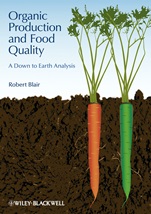
Organic Production and Food Quality: A Down to Earth Analysis
ISBN 9780813812175
Autor: Robert Blair
Wydawca: Wiley
Dostępność: 3-6 tygodni
Cena: 1 033,20 zł
Przed złożeniem zamówienia prosimy o kontakt mailowy celem potwierdzenia ceny.
ISBN13: |
9780813812175 |
ISBN10: |
0813812178 |
Autor: |
Robert Blair |
Oprawa: |
Hardback |
Rok Wydania: |
2011-12-16 |
Ilość stron: |
296 |
Wymiary: |
252x174 |
Tematy: |
TT |
Consumers in many countries opt to buy organic food over conventional products, resulting in a radical shift in food retailing. The main drivers for this behavior include concerns over chemical residues, food poisoning, scares such as “mad–cow” disease, issues such as genetically–modified (GM) foods, antibiotics, hormones, cloning and animal welfare issues. As a result there has been an expansion of the organic industry and a huge increase in the popularity of organic foods at farmers’ markets, supermarkets and specialty stores. But is there evidence that organic food products are tastier, more nutritious or even free of chemical residues?
This volume is the first comprehensive text on how organic production methods influence the quality and safety of foods, based on an unbiased assessment of the international scientific findings and the results of food monitoring programs in North America, Europe, Australia and New Zealand. Documented findings related to the nutritional quality, safety and “healthfulness” of organic food are assessed, as well as findings related to the motivation of consumers to buy organic food. In Organic Production and Food Quality the food industry, researchers and academics in all relevant fields will find an authoritative and up–to–date source of unbiased information on how organic production affects food quality. The assessment will allow the concerns of consumers to be adequately addressed, relevant marketing programs established and appropriate information disseminated.
Spis treści:
Foreword ix
1 The Shift to Organic Food 1
Background 1
Organic regulations 3
Consumer perceptions 7
Analysis of the topic 9<
br>References 10
2 Consumer Concerns About Food 13
The concerns 14
Consumer concerns and attitudes 16
Food regulations 20
Justification for consumer attitudes about the safety of
organic and conventional foods 21
Range of organic foods 22
References 23
3 Vegetable Produce 25
Pest and disease control 25
Documented findings on pesticide residues 27
Other chemical contaminants 33
Other toxic and antinutritional compounds in produce 35
Hormones 35
Can organic produce cause food poisoning? 36
Nutrient concentrations 42
Organoleptic quality 51
Identification of organic produce 53
Food from afar 54
Finally: watch which salad veg you eat 55
Conclusions 55
References 56
4 Fruit 61
Pesticide residues 61
Other risks with fruit 68
Chemical residues 68
Microbial problems 70
Mycotoxins 70
Cloning and gene–modified fruit 71
Nutrient concentrations 72
Appearance and organoleptic qualities 83
Preserves 86
Conclusions 88
References 89
5 Cereal Grains 93
Pesticide residues 93
Chemical residues 96
Other issues relating to grains 97
Mycotoxins: are organic grains less safe? 98
Gene–modified crops 102
Nutritional and organoleptic qualities 103
Wheat 104
Oats 108
Barley 108
Conclusions 108
References 109
6 Meat 111
Chemical and pesticide residues 111
Organic meat 116
Hormones 121
Hormone residue levels in meats. Do government agencies
monitor for these? 123
Developing countries 124
Antibiotics 125
Bacterial contamination of meat 127
Cloning 129
Mad–cow disease 131
Contaminated beef products implicated 132
Gene modification 133
Nutritional and organoleptic qualities 135
Beef 135
Pork 141
Poultry 146
Fish 150
Conclusions 157
References 158
7 Milk and Milk Products 163
The hormone issue 163
Raw milk 165
Antibiotic residues 16
7
Pesticide and chemical residues 168
Nutritional and organoleptic qualities 170
Research findings 170
Consumer findings 175
Conclusions 179
References 180
8 Eggs 183
Cholesterol 184
Salmonella and food–poisoning 187
Contamination with residues 191
Antibiotics 191
Chemical residues 192
Egg quality 198
Research findings 198
Consumer findings 203
Conclusions 203
References 204
9 Is Organic Food Safer? 207
Residues 207
Vegetable produce 207
Fruit 208
Cereal grains 208
Meat 208
Milk 209
Eggs 209
Food poisoning 210
Mycotoxins 211
Other anti–nutrients 211
Nitrate 211
Significance of the findings in relation to health 213
Other research on food and health 216
Health of farmers and farm workers 219
Other approaches 221
Conclusions 222
References 223
10 Is Organic Food More Nutritious and "Tasty"? 227
Reviews 227
Analysis by food group 237
Vegetable produce 237
Fruit 238
Cereal grains 239
Contents vii
Meat 239
Milk 239
Eggs 240
Taste 240
References 240
11 Psychology of Organic Food Choice 243
The safety issue 244
Nutritional quality and taste 244
Environmental issues 248
Image 252
Conclusions 256
References 256
12 Conclusions 259
Reference 263
Appendix 265
Index 267
Nota biograficzna:
Robert Blair, DSc, is Professor Emeritus in the Faculty of Land and Food Systems at the University of British Columbia, Vancouver, Canada
Okładka tylna:
Consumers in many countries opt to buy organic food over conventional products, resulting in a radical shift in food retailing. The main drivers for this behavior include concerns over chemical residues, food poisoning, scares such as &ldquo
;mad–cow” disease, issues such as genetically–modified (GM) foods, antibiotics, hormones, cloning and animal welfare issues. As a result there has been an expansion of the organic industry and a huge increase in the popularity of organic foods at farmers’ markets, supermarkets and specialty stores. But is there evidence that organic food products are tastier, more nutritious or even free of chemical residues?
This volume is the first comprehensive text on how organic production methods influence the quality and safety of foods, based on an unbiased assessment of the international scientific findings and the results of food monitoring programs in North America, Europe, Australia and New Zealand. Documented findings related to the nutritional quality, safety and “healthfulness” of organic food are assessed, as well as findings related to the motivation of consumers to buy organic food. In Organic Production and Food Quality the food industry, researchers and academics in all relevant fields will find an authoritative and up–to–date source of unbiased information on how organic production affects food quality. The assessment will allow the concerns of consumers to be adequately addressed, relevant marketing programs established and appropriate information disseminated.
Koszyk
Książek w koszyku: 0 szt.
Wartość zakupów: 0,00 zł
Informacje


Kontakt
Gambit
Centrum Oprogramowania
i Szkoleń Sp. z o.o.
Al. Pokoju 29b/22-24
31-564 Kraków
Siedziba Księgarni
ul. Kordylewskiego 1
31-542 Kraków
+48 12 410 5991
+48 12 410 5987
+48 12 410 5989
Subskrypcje
Administratorem danych osobowych jest firma Gambit COiS Sp. z o.o. Na podany adres będzie wysyłany wyłącznie biuletyn informacyjny.
Autoryzacja płatności

Informacje na temat autoryzacji płatności poprzez PayU.

© Copyright 2012: GAMBIT COiS Sp. z o.o. Wszelkie prawa zastrzeżone.
Projekt i wykonanie: Alchemia Studio Reklamy