


Wydawcy
Katalog tematyczny
- Archeologia (109)
- Ekonomia, finanse, business (13704)
- Filozofia (1445)
- Historia (3040)
- Języki i językoznawstwo (2356)
- Lifestyle, hobby i rozrywka (475)
- Medycyna (9704)
- Chirurgia (272)
- Inne gałęzie medycyny (1871)
- Medycyna kliniczna (4187)
- Medycyna niekonwencjonalna (14)
- Medycyna przedkliniczna (269)
- Medycyna, ogólnie (1740)
- Medyczne służby pomocnicze (745)
- Studia medyczne (16)
- Weterynaria (548)
- Nauki humanistyczne (4)
- Nauki o Ziemi i środowisku (2638)
- Nauki ścisłe (20412)
- Nauki społeczne (8486)
- Nauki techniczne (13450)
- Prawo (1696)
- Publikacje informacyjne i interdyscyplinarne (1288)
- Religia i wierzenia (917)
- Technika komputerowa (4067)
- Zdrowie, relacje międzyludzkie i rozwój osobisty (657)





Informacje szczegółowe o książce
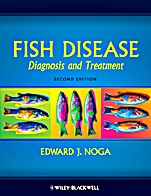
Fish Disease: Diagnosis and Treatment
ISBN 9780813806976
Autor: Edward J. Noga
Wydawca: Wiley
Dostępność: 3-6 tygodni
Cena: 719,25 zł
Przed złożeniem zamówienia prosimy o kontakt mailowy celem potwierdzenia ceny.
ISBN13: |
9780813806976 |
ISBN10: |
0813806976 |
Autor: |
Edward J. Noga |
Oprawa: |
Hardback |
Rok Wydania: |
2010-06-11 |
Numer Wydania: |
2nd Edition |
Ilość stron: |
536 |
Wymiary: |
279x209 |
Tematy: |
MZ |
Fish Disease: Diagnosis and Treatment, Second Edition provides thorough, yet concise, descriptions of viral, bacterial, fungal, parasitic, and noninfectious diseases in an exhaustive number of fish species. Now in full color with more than 500 images, the book is designed as a comprehensive guide to the identification and treatment of both common and rare problems encountered during the clinical work–up of fish species.
Diseases are discussed following a systems–based approach, to ensure a user–friendly and practical manual for identifying problems.
Fish Disease: Diagnosis and Treatment, Second Edition is the must–have reference for any aquaculturists, aquatic biologists, or fish health specialists dealing with diagnosing or treating fish diseases.
New to this Edition:Offers an expanded clinical work–up section to include recently developed, as well as more specialized, diagnostic proceduresExpands coverage of molecular methods for fish pathogen identificationProvides coverage of many newly prominent and recently discovered diseasesExpands the Pharmacopoeia section with both new drugs and dosing regimensIncorporates greater discussion of diseases and treatments as they relate to environmental and public healthProvides updates on other health protection strategies, including commercially available diagnostic tests and vaccinesExpands coverage of the principles and practice of biosecurity
Spis treści:
Part I. METHODS FOR DIAGNOSING FISH DISEASES
1. MAJOR CULTURED SPECIES
2. TYPES OF CULTURE SYSTEMS
3. THE CLINICAL WORK–UP
4. POST MORTEM TECHNIQUES
5. GUIDELINES FOR INTERPRETING CLINICAL FINDINGS
6. HEALTH MANAGEMENT
Part II. PROBLEM LIST
7. PROBLEMS 1–10. Diagnoses made with commercially available water quality test kits or equipment that should be present
in the clinician′s clinic
1. Environmental hypoxia
2. Temperature stress
3. Temperature stratification
4. Ammonia poisoning
5. Nitrite poisoning
6. Nitrate poisoning
7. Too low (acidic) pH
8. Too high (alkaline) pH
9. Improper hardness
10. Improper salinity
8. PROBLEMS 11–43: Diagnoses made by either gross external examination of fish, wet mounts of skin/gills, or histopathology of skin/gills
11. Gas supersaturation
12. Lamprey infestation
13. Leech infestation
14. Copepod infestation/infection
15. Branchiuran infestation
16. Isopod infestation
17. Monogenean infestation
18. Turbellarian infection
19. Protozoan ectoparasites: General features
20. Ichthyophthirius infection
21. Cryptocaryon infection
22. Trichodinid infestation
23. Chilodonella infestation
24. Brooklynella infestation
25. Tetrahymena infection
26. Uronema infection
27. Amyloodinium infestation
28. Piscinoodinium infestation
29. Ichthyobodo infestation
30. Gill Cryptobia infestations
31. Gill amoebic infestations
32 Sessile, solitary, ectocommensal ciliate infestations
33. Sessile, colonial, ectocommensal ciliate infestations
34. Typical water mold infections
35. Atypical water mold infections
36. Branchiomycosis
37. Columnaris infection
38. Bacterial cold water disease
39. Bacterial gill disease
40. Lymphocystis
41. Epitheliocystis
42. Miscellaneous skin and gill diseases
43. Incidental findings in skin or gill wet mounts
9. PROBLEM 44: Diagnoses made by examination of a gill clip or a blood smear
44. Primary hemopathies
10. PROBLEMS 45–57: Diagnoses made by bacterial culture of kidney or affected organs
45. Bacterial dermatopathies/systemic bacterial infections (general)
46. Motile aeromonad infection
47. Furunculosis
48. Edwardsiella ictaluri
49. Edwardsiella tarda
50. Vibriosis
51. Pasteurellosis
52. Enteric redmouth disease
53 Streptococcosis
54. Bacterial kidney disease
55. Mycobacteriosis
56. Piscirickettsiosis
57. Miscellaneous systemic bacterial infections
11. PROBLEMS 58–76: Diagnoses made by necropsy of the viscera and examination of wet mounts or histopathology of internal organs
58. Digenean trematode infection: General features
59. Gill digenean trematode infections
60. Nematode infections
61. Cestode infections
62. Acanthocephalan infections
63. Myxozoan infections (General)
64. Proliferative gill disease
65. Ceratomyxosis
66. Hoferellus carassii
67. Proliferative kidney disease
68. Whirling disease
69. Miscellaneous myxozoan infections
70. Microsporidian infections
71. Ichthyophonosis
72. True fungal infections
73. Diplomonad flagellate infection
74. Tissue coccidiosis
75. Miscellaneous endoparasitic infections
76. Idiopathic epidermal proliferation/Neoplasia
12. PROBLEMS 77–88: Rule
–out diagnoses 1 (Viral Infections): Presumptive diagnosis is based upon the absence of other etiologies combined with a diagnostically appropriate history, clinical signs, and/or pathology. Definitive diagnosis is based upon presumptive diagnosis combined with confirmation of viral presence (i.e., culture, immmunodiagnosis, gene test, etc.)
77. Systemic viral diseases (General) molecular probes
78. Channel catfish virus disease
79. Infectious pancreatic necrosis
80. Infectious hematopoietic necrosis
81. Viral hemorrhagic septicemia
82. Infectious salmon anemia
83. Spring viremia of carp
84. Iridovirus diseases
85. Nodavirus diseases
86. Koi herpesvirus disease
87. Alphavirus diseases
88. Miscellaneous viral infections and diseases
13. PROBLEMS 89–99: Rule–out diagnoses 2: Presumptive diagnosis is based upon the absence of other etiologies combined with a diagnostically appropriate history, clinical signs, and/or pathology. Definitive diagnosis is based upon presumptive evidence combined with further, more extensive work–up with a specific identification of the problem
89. Nutritional deficiency
90. Hypercarbia
91. Hydrogen sulfide poisoning
92. Chlorine/chloramine poisoning
93. Heavy metal poisoning
94. Cyanide poisoning
95. Miscellaneous poisonings
96. Harmful algal blooms
97. Acute ulceration response/Environmental shock/delayed mortality syndrome
98. Traumatic lesions
99. Genetic anomalies
14. PROBLEMS 100–102: Rule–out diagnoses 3: Presumptive diagnosis is based upon the absence of other etiologies combined with a diagnostically a
ppropriate history, clinical signs, and/or pathology. Definitive diagnosis is not possible since the etiology is unknown (idiopathic)
100. Lateral Line Depigmentation
101. Senescence
102. Miscellaneous important idiopathic diseases
15. PROBLEM 103: Diseases of Reproduction
103. Egg diseases
Part III. METHODS FOR TREATING FISH DISEASES
16. GENERAL CONCEPTS IN THERAPY
17 PHARMACOPOEIA
APPENDIX I: Fish Disease Diagnosis Form
APPENDIX II: Suppliers
APPENDIX III: Scientific Names of Fish Mentioned in the Text
APPENDIX IV: Definitions of Terms
Index
Nota biograficzna:
Edward J. Noga, MS, DVM, is Professor of Aquatic Medicine (College of Veterinary Medicine) and Adjunct Professor of Zoology (College of Agriculture and Life Science) at North Carolina State University, in Raleigh, North Carolina, and Adjunct Professor of Marine Science (Center for Marine Science) at the University of North Carolina in Wilmington, North Carolina.
Okładka tylna:
Fish Disease: Diagnosis and Treatment, Second Edition provides thorough, yet concise, descriptions of viral, bacterial, fungal, parasitic, and noninfectious diseases in an exhaustive number of fish species. Now in full color with more than 500 images, the book is designed as a comprehensive guide to the identification and treatment of both common and rare problems encountered during the clinical work–up of fish species.
Diseases are discussed following a systems–based approach, to ensure a user–friendly and practical manual for identifying problems.
Fish Disease: Diagnosis and Treatment, Second Edition is the must–have reference for any aquaculturists, aquatic biologists, or fish health specialists dealing with diagnosing or treating fish diseases.
New to this Edition:Offers an expanded clinical work–up s
ection to include recently developed, as well as more specialized, diagnostic proceduresExpands coverage of molecular methods for fish pathogen identificationProvides coverage of many newly prominent and recently discovered diseasesExpands the Pharmacopoeia section with both new drugs and dosing regimensIncorporates greater discussion of diseases and treatments as they relate to environmental and public healthProvides updates on other health protection strategies, including commercially available diagnostic tests and vaccinesExpands coverage of the principles and practice of biosecurity
Koszyk
Książek w koszyku: 0 szt.
Wartość zakupów: 0,00 zł
Informacje


Kontakt
Gambit
Centrum Oprogramowania
i Szkoleń Sp. z o.o.
Al. Pokoju 29b/22-24
31-564 Kraków
Siedziba Księgarni
ul. Kordylewskiego 1
31-542 Kraków
+48 12 410 5991
+48 12 410 5987
+48 12 410 5989
Subskrypcje
Administratorem danych osobowych jest firma Gambit COiS Sp. z o.o. Na podany adres będzie wysyłany wyłącznie biuletyn informacyjny.
Autoryzacja płatności

Informacje na temat autoryzacji płatności poprzez PayU.

© Copyright 2012: GAMBIT COiS Sp. z o.o. Wszelkie prawa zastrzeżone.
Projekt i wykonanie: Alchemia Studio Reklamy