


Wydawcy
Katalog tematyczny
- Archeologia (109)
- Ekonomia, finanse, business (13704)
- Filozofia (1445)
- Historia (3040)
- Języki i językoznawstwo (2356)
- Lifestyle, hobby i rozrywka (475)
- Medycyna (9704)
- Nauki humanistyczne (4)
- Nauki o Ziemi i środowisku (2638)
- Nauki ścisłe (20412)
- Nauki społeczne (8486)
- Nauki techniczne (13450)
- Prawo (1696)
- Publikacje informacyjne i interdyscyplinarne (1288)
- Religia i wierzenia (917)
- Technika komputerowa (4067)
- Zdrowie, relacje międzyludzkie i rozwój osobisty (657)





Informacje szczegółowe o książce
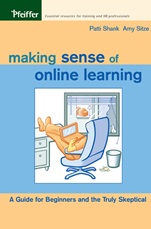
Making Sense of Online Learning: A Guide for Beginners and the Truly Skeptical
ISBN 9780787969820
Autor: Patti Shank, Amy Sitze
Wydawca: Wiley
Dostępność: 3-6 tygodni
Cena: 233,10 zł
Przed złożeniem zamówienia prosimy o kontakt mailowy celem potwierdzenia ceny.
ISBN13: |
9780787969820 |
ISBN10: |
0787969826 |
Autor: |
Patti Shank, Amy Sitze |
Oprawa: |
Paperback |
Rok Wydania: |
2004-05-11 |
Ilość stron: |
192 |
Wymiary: |
229x153 |
Tematy: |
KM |
If you need quick, targeted baseline knowledge about using technology for teaching and learning, Making Sense of Online Learning is for you. This practical, no–nonsense primer will help you understand how online learning technologies work and how they fit into your organization. You’ll gain a working knowledge of important topics such as design, infrastructure, and evaluation and the confidence to make informed decisions that will help your learners and organization thrive. Since information about online learning changes at Internet speed, the book is supported with a dedicated Web site (www.learningpeaks.com/msoll/) filled with up–to–the–minute suggestions for tools and resources.
“The online learning people promised a revolutionary breakthrough and went about replicating the textbook and the classroom. They hyped the bells and whistles and neglected basic instructional design. Clients bought rigid proprietary platforms that violated all principles of systematic change. This book responds to my concerns: The focus should be on learning and performance improvement and not on the technology. Just take a look at the table of contents. I would have outlined the book exactly the same way. But Patti and Amy write with greater wit and competency.”
—Sivasailam “Thiagi” Thiagarajan, resident mad scientist, Workshops by Thiagi, Inc.
“The information in this book will help you make informed decisions about using online learning in your organization.”
—Saul Carliner, assistant professor of educational technology, Concordia University, Montreal
“Shank and Sitze give thoughtful, ingenious insights about big topics like design and learner needs. They also know how to get down into the weeds to explain the great features of a tool.”
—Kirsti Aho, director of content and curriculum, Macromedia Education
Spis treści:
List of Table
s and Figures.
Introduction: Getting the Most from This Resource.
Who Should Read This Book?
Who Should Not Read This Book?
Who Are the Authors?
How Is This Book Organized?
Frequently Asked Questions (FAQ)
1. Taking the Leap.
What Is Online Learning?
Where Has Online Learning Come from and Where Is It Going?
When Does Using Technology for Learning Make Sense?
How Can I Tell Whether My Organization Is Ready?
What Is Good Online Learning?
What Skills Do I Need?
How Do I Stay Sane?
Resources.
2. What About Learning?
What Is Learning?
What Is Instruction?
What Activities Should Be Included in Instruction?
How Do I Select Interactions and Activities?
Conclusion.
3. The Language of Online Learning: How to Spell HTML.
How to Speak the Right Language.
What Are the Most Common Terms That Are Misunderstood by Folks New to This Field, and What Do They Mean?
New Terms and Technologies.
Conclusion.
4. Designing for the Web.
Does Traditional Instructional Design Work for Online Learning?
How Do I Design with the User in Mind?
How Do I Make Things Easy to Find on My Site?
How Do I Make Sure the Site Is Easy to Navigate?
Conclusion.
5. Tools and Technologies for Online Learning, Part 1: Development.
How Do I Build Online Learning?
What Are the Most Common Tools Used for Building Online Instructional Materials? What Do I Need to Know to Get Started?
What Are Some Technologies I Need to Know About?
Conclusion.
6. Tools and Technologies for Online Learning, Part 2: Infrastructure.
What Is Learning Infrastructure?
What Tools Can I Use to Track Learners and Courses?
What Tools Can I Use to Keep Track of Online Content?
What Are Learning Objects, and How Do They Relate to Tracking and Managing Online Content?
What Are Learning Standards?
Conclusion.
7. Evaluating Online Learning.
What Is Evaluation?
What Aspects of Online Instruction Should I Evaluate?
What’s the Difference Between Assessment and Evaluation?
How Do You Evaluate a Course or Program?
How Can You Evaluate Online Learning?
Conclusion.
Conclusion.
References.
Index.
About the Authors.
Nota biograficzna:
Patti Shank is the managing partner of Learning Peaks, an instructional technology consulting group that helps organizations optimize their online/distance education initiatives. She’s listed in Who’s Who In Instructional Technology, is a popular speaker at training and instructional technology conferences, and has contributed numerous chapters to training books. She was an award–winning contributor for Online Learning Magazine and winner of a 2002 EDMEDIA award.
Amy Sitze is a journalist and editor who has held leadership roles at several business and technology magazines, including three years as editor of Online Learning Magazine.
Okładka tylna:
If you need quick, targeted baseline knowledge about using technology for teaching and learning, Making Sense of Online Learning is for you. This practical, no–nonsense primer will help you understand how online learning technologies work and how they fit into your organization. You’ll gain a working knowledge of important topics such as design, infrastructure, and evaluation and the confidence to make informed decisions that will help your learners and organization thrive. Since information about online learning changes at Internet speed, the book is supported with a dedicated Web site (www.learningpeaks.com/msoll/) filled with up–to–the–minute suggestions for tools and resources.
“The online learning people promised a revolutionary breakthrough and went about replicating the textbook and the classroom. They hyped the bells and whistles and neglected basic instructional design. Clients bought
rigid proprietary platforms that violated all principles of systematic change. This book responds to my concerns: The focus should be on learning and performance improvement and not on the technology. Just take a look at the table of contents. I would have outlined the book exactly the same way. But Patti and Amy write with greater wit and competency.”
—Sivasailam “Thiagi” Thiagarajan, resident mad scientist, Workshops by Thiagi, Inc.
“The information in this book will help you make informed decisions about using online learning in your organization.”
—Saul Carliner, assistant professor of educational technology, Concordia University, Montreal
“Shank and Sitze give thoughtful, ingenious insights about big topics like design and learner needs. They also know how to get down into the weeds to explain the great features of a tool.”
—Kirsti Aho, director of content and curriculum, Macromedia Education
Koszyk
Książek w koszyku: 0 szt.
Wartość zakupów: 0,00 zł
Informacje


Kontakt
Gambit
Centrum Oprogramowania
i Szkoleń Sp. z o.o.
Al. Pokoju 29b/22-24
31-564 Kraków
Siedziba Księgarni
ul. Kordylewskiego 1
31-542 Kraków
+48 12 410 5991
+48 12 410 5987
+48 12 410 5989
Subskrypcje
Administratorem danych osobowych jest firma Gambit COiS Sp. z o.o. Na podany adres będzie wysyłany wyłącznie biuletyn informacyjny.
Autoryzacja płatności

Informacje na temat autoryzacji płatności poprzez PayU.

© Copyright 2012: GAMBIT COiS Sp. z o.o. Wszelkie prawa zastrzeżone.
Projekt i wykonanie: Alchemia Studio Reklamy