


Wydawcy
Katalog tematyczny
- Archeologia (109)
- Ekonomia, finanse, business (13704)
- Filozofia (1445)
- Historia (3040)
- Języki i językoznawstwo (2356)
- Lifestyle, hobby i rozrywka (475)
- Medycyna (9704)
- Nauki humanistyczne (4)
- Nauki o Ziemi i środowisku (2638)
- Nauki ścisłe (20412)
- Nauki społeczne (8486)
- Edukacja (229)
- Kryminologia, opieka spełeczna (284)
- Obronność (10)
- Polityka (1389)
- Psychologia (777)
- Socjologia (410)
- Społeczeństwo i kultura (187)
- Nauki techniczne (13450)
- Prawo (1696)
- Publikacje informacyjne i interdyscyplinarne (1288)
- Religia i wierzenia (917)
- Technika komputerowa (4067)
- Zdrowie, relacje międzyludzkie i rozwój osobisty (657)





Informacje szczegółowe o książce
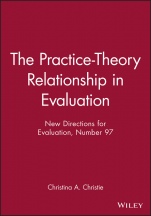
The Practice–Theory Relationship in Evaluation: New Directions for Evaluation, Number 97
ISBN 9780787968625
Autor: Christina A. Christie
Wydawca: Wiley
Dostępność: 3-6 tygodni
Cena: 162,75 zł
Przed złożeniem zamówienia prosimy o kontakt mailowy celem potwierdzenia ceny.
ISBN13: |
9780787968625 |
ISBN10: |
0787968625 |
Autor: |
Christina A. Christie |
Oprawa: |
Paperback |
Rok Wydania: |
2003-05-09 |
Ilość stron: |
104 |
Wymiary: |
229x154 |
Tematy: |
JD |
Spis treści:
EDITOR’S NOTES (Christina A. Christie).
1. What Guides Evaluation? A Study of How Evaluation Practice Maps onto Evaluation Theory (Christina A. Christie)
The results of an empirical study are portrayed in a comparative twodimensional framework that describes the self–reported evaluation practices of eight evaluation theorists and then is also used to assess and describe the real–world practices of a sample of evaluation practitioners.
2. Important Questions, Intriguing Method, Incomplete Answers (Lois–ellin Datta)
The author triangulates Christie’s findings with other research on the evaluation practice–theory relationship and offers additional methods and directions for future research on evaluation practice.
3. Fetterman–House: A Process Use Distinction and a Theory (David Fetterman)
The concept of process use is discussed as an important distinction between the evaluation theories of House and Fetterman, thus helping to explain Christie’s discordant results for these two theorists.
4. Stakeholder Bias (Ernest R. House)
The nature of stakeholder participation in evaluation is analyzed. House’s commi tment to involving all stakeholders—to ensure that the interests of all are included—is contrasted with other theorists’ preference to involve a few stakeholders more intensely.
5. The Challenge of Studying Evaluation Theory (Jean A. King)
This chapter discusses why evaluation as a field has not systematically studied its own theory, then examines the tensions between Lewin’s often–cited claim that there is nothing so practical as a good theory and Fullan’s response that there is nothing so theoretical as good practice.
6. Toward an Agenda for Research on Evaluation (Gary T. Henry, Melvin M. Mark)
Building on Christie’s innovative work, the authors chart a future agenda for research on evaluation.
7. Evaluat
ion Theory and Practice: Insights and New Directions (Marvin C. Alkin)
The chapter provides a synthesis of the critical commentary of each of the volume contributors.
8. Understanding Evaluation Theory and Its Role in Guiding Practice: Formal, Folk, and Otherwise (Christina A. Christie)
A final comment is presented on the role that evaluation theory plays in practice.
INDEX.
Koszyk
Książek w koszyku: 0 szt.
Wartość zakupów: 0,00 zł
Informacje


Kontakt
Gambit
Centrum Oprogramowania
i Szkoleń Sp. z o.o.
Al. Pokoju 29b/22-24
31-564 Kraków
Siedziba Księgarni
ul. Kordylewskiego 1
31-542 Kraków
+48 12 410 5991
+48 12 410 5987
+48 12 410 5989
Subskrypcje
Administratorem danych osobowych jest firma Gambit COiS Sp. z o.o. Na podany adres będzie wysyłany wyłącznie biuletyn informacyjny.
Autoryzacja płatności

Informacje na temat autoryzacji płatności poprzez PayU.

© Copyright 2012: GAMBIT COiS Sp. z o.o. Wszelkie prawa zastrzeżone.
Projekt i wykonanie: Alchemia Studio Reklamy