


Wydawcy
Katalog tematyczny
- Archeologia (109)
- Ekonomia, finanse, business (13704)
- Filozofia (1445)
- Historia (3040)
- Języki i językoznawstwo (2356)
- Lifestyle, hobby i rozrywka (475)
- Medycyna (9704)
- Nauki humanistyczne (4)
- Nauki o Ziemi i środowisku (2638)
- Nauki ścisłe (20412)
- Nauki społeczne (8486)
- Nauki techniczne (13450)
- Prawo (1696)
- Publikacje informacyjne i interdyscyplinarne (1288)
- Religia i wierzenia (917)
- Technika komputerowa (4067)
- Zdrowie, relacje międzyludzkie i rozwój osobisty (657)





Informacje szczegółowe o książce
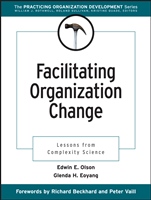
Facilitating Organization Change: Lessons from Complexity Science
ISBN 9780787953300
Autor: Edwin E. Olson, Glenda H. Eoyang
Wydawca: Wiley
Dostępność: 3-6 tygodni
Cena: 313,95 zł
Przed złożeniem zamówienia prosimy o kontakt mailowy celem potwierdzenia ceny.
ISBN13: |
9780787953300 |
ISBN10: |
078795330X |
Autor: |
Edwin E. Olson, Glenda H. Eoyang |
Oprawa: |
Paperback |
Rok Wydania: |
2001-02-07 |
Ilość stron: |
240 |
Wymiary: |
233x191 |
Tematy: |
KM |
Looking for a highly effective alternative to traditional change models?
Finally, an alternative to traditional change models–the science of complex adaptive systems (CAS). The authors explain how, rather than focusing on the macro "strategioc" level of the organization system, complexity theory suggests that the most powerful change processes occur at the micro level where relationship, interaction and simple rules shape emerging patterns.
∗ Details how the emerging paradigm of a CAS affects the role of change agents
∗ Tells how you can build the requisite skills to function in a CAS
∗ Provides tips for thriving in that new paradigm "Olson and Eoyang do a superb job of using complexity science to develop numerous methods and tools that practitioners can immediately use to make their organizations more effective."
––Kevin Dooley, Professor of Management and Industrial Engineering, Arizona State University
Spis treści:
1. An Emerging Paradigm of Organization Change Organization As Machine Problem with Traditional Approaches Alternatives to the Machine Model Toward an Integrated Framework From the Part to the Whole From the Whole to the Part Emergent Patterns Through Self–Organization Conditions for Self–Organization The Self–Organizing Process No Condition Stands Alone CAS and the Change Agent Summary Method: Self–Organizing Dynamics
2. Change Through Connections (Not Top–Down Control) Story: Hospital Merger Entangled Connections No Single Source of Change Leadership and Influence in a CAS Role of Formal Leader Change Agent Role Summary Method: Feedback Analysis Method: Leader As Change Agent
3. Adapt to Uncertainty (Not Predictable Stages of Development) Nonlinear Organization Change Story: Unpredictability vs. Need for Control Consulting to Uncertainty No Sequence of Events Speed of Adaptation Change Agent Role Summary Method: Decision Making Under Conditio
ns of Uncertainty
4. Emerging Goals, Plans, and Structures (Not Clear, Detailed Plans or Goals) Case: Knowledge Management Firms Planning in a CAS Vision in a CAS Goal Setting in a CAS Structures in a CAS Change Agent Role Summary Method: Self–Organizing Exercise
5. Amplify Difference (Not Build Consensus) Story: The Hidden Difference Unbraiding Differences Differences in a CAS Differences and Organization Resilience Differences and Organization Change Change Agent Role Summary Method: Difference Matrix
6. Self–Similarity (Not Difference Between Levels) Story: The Hidden Difference (Continued) Self–Similarity in Organizations Scaling Scaling in Organizations Simple Rules Change Agent Role Summary Method: Fractal As Metaphor
7. Success As Fit with the Environment (Not Closing the Gap with an Ideal) Story: Focusing on Fit Success As Fitness Performance Feedback Competition and Cooperation Change Agent Role Summary Method: Same and Different
8. Self–Organization and the Change Agent: Tips for Thriving in the New Paradigm Story: Just Do It! Self–Organization and Traditional Change Methods Change Agent Responsibilities Entering the System Assessment Intervention Evaluation Skills for a Complexity Approach Summary Method: Reflection Evaluation
9. Making Self–Organization a Reality: Evolution in Organizations Work with the Conditions for Self–Organization Conclusion Continuing the Co–Evolution References Index About the Authors About the Editors
Koszyk
Książek w koszyku: 0 szt.
Wartość zakupów: 0,00 zł
Informacje


Kontakt
Gambit
Centrum Oprogramowania
i Szkoleń Sp. z o.o.
Al. Pokoju 29b/22-24
31-564 Kraków
Siedziba Księgarni
ul. Kordylewskiego 1
31-542 Kraków
+48 12 410 5991
+48 12 410 5987
+48 12 410 5989
Subskrypcje
Administratorem danych osobowych jest firma Gambit COiS Sp. z o.o. Na podany adres będzie wysyłany wyłącznie biuletyn informacyjny.
Autoryzacja płatności

Informacje na temat autoryzacji płatności poprzez PayU.

© Copyright 2012: GAMBIT COiS Sp. z o.o. Wszelkie prawa zastrzeżone.
Projekt i wykonanie: Alchemia Studio Reklamy