


Wydawcy
Katalog tematyczny
- Archeologia (109)
- Ekonomia, finanse, business (13704)
- Filozofia (1445)
- Historia (3040)
- Języki i językoznawstwo (2356)
- Lifestyle, hobby i rozrywka (475)
- Medycyna (9704)
- Nauki humanistyczne (4)
- Nauki o Ziemi i środowisku (2638)
- Nauki ścisłe (20412)
- Nauki społeczne (8486)
- Nauki techniczne (13450)
- Prawo (1696)
- Publikacje informacyjne i interdyscyplinarne (1288)
- Religia i wierzenia (917)
- Technika komputerowa (4067)
- Zdrowie, relacje międzyludzkie i rozwój osobisty (657)





Informacje szczegółowe o książce
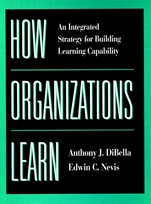
How Organizations Learn: An Integrated Strategy for Building Learning Capability
ISBN 9780787911072
Autor: Anthony DiBella, Edwin C. Nevis
Wydawca: Wiley
Dostępność: 3-6 tygodni
Cena: 300,30 zł
Przed złożeniem zamówienia prosimy o kontakt mailowy celem potwierdzenia ceny.
ISBN13: |
9780787911072 |
ISBN10: |
0787911070 |
Autor: |
Anthony DiBella, Edwin C. Nevis |
Oprawa: |
Hardback |
Rok Wydania: |
1997-09-26 |
Ilość stron: |
240 |
Wymiary: |
235x164 |
Tematy: |
KM |
Now more than ever, businesses and organizations must learn from their experiences and adapt to change in order to survive, grow, and thrive. But what exactly does it mean to be a learning organization ? Does your company’s learning portfolio match its strategy? And how can your company’s approach to learning ensure its ongoing success? This essential volume, the first integrated, comprehensive view of the subject, answers these and other critical questions and provides readers with clear concepts and practical techniques for increasing the learning capability of their companies.
Here, authors Anthony J. DiBella and Edwin C. Nevis integrate the best of established organizational learning theory with their own cogent insights. Their original research in seven U.S. and European businesses has given them a compelling vision of how and why organizations learn. Working with executive managers, human resource and organization development consultants and trainers, and operations staff in more than twenty–five Fortune 500 companies, DiBella and Nevis have developed, tested, and refined the set of concepts, methods, and tools they present.
DiBella and Nevis maintain that all organizations have learning capabilities and styles, which vary with individual corporate cultures, and show why distinctive styles should be regarded as sources of competitive advantage. They find that learning capabilities are developed as companies put certain prescriptive conditions, called Facilitating Factors, into place, and as changes in attitudes, behaviors, and structures occur. Businesses should not overlook existing capabilities, however; but should evaluate them in terms of an integrated framework such as the the Learning Profile one of the many valuable tools this book includes.
From theory and research to practical applications, How Organizations Learn presents a productive framework for any organization that wants to learn more fully and adapt more quickl
y to the fast–changing marketplace. DiBella and Nevis advocate a strategic commitment to learning, suggesting that through such an approach, we can make not only our organizations but also our society more effective and rewarding.
In this essential volume, authors DiBella and Nevis offer sound advice on how to increase the learning capabilties of your company. Readers will discover a powerful array of tools and techniques for leveraging an organization’s unique learning style, as well as a productive framework that will help your company learn more fully and adapt more quickly in today’s volatile marketplace. It′s the most comprehensive work to date concerning this all–important competitive advantage.
Spis treści:
A STRATEGIC LOOK AT ORGANIZATIONAL LEARNING.
Developing Learning in Organizations: A Matter of Perspective.
Foundations of an Integrated Strategy.
HOW ORGANIZATIONS LEARN.
Recognizing Your Organization′s Learning Portfolio.
Developing a Learning Strategy.
Improving Organizational Learning Capability.
Enhancing Effectiveness at Each Phase of the Learning Cycle.
Assessing Learning Capability Over Time.
ADAPTING AND ASSESSING THE LEARNING STRATEGY.
Using an Integrated Strategy in Different Contexts.
Conclusion: What is the Good of All This Learning? Assessing the Impact of Learning on Performance.
Nota biograficzna:
ANTHONY DIBELLA and EDWIN C. NEVIS are among the nation′s leading organization development consultants. DiBella is a former visiting scholar at MIT, where he received his Ph.D. Nevis, a former professor at MIT′s Sloan School and one of the founders of Cleveland′s Gestalt Institute, is also coauthor of Intentional Revolutions (1996) and author of Organizational Consulting: A Gestalt Approach (1987).
Okładka tylna:
Now more than ever, businesses and organizations must learn from their experiences
and adapt to change in order to survive, grow, and thrive. But what exactly does it mean to be a learning organization ? Does your company’s learning portfolio match its strategy? And how can your company’s approach to learning ensure its ongoing success? This essential volume, the first integrated, comprehensive view of the subject, answers these and other critical questions and provides readers with clear concepts and practical techniques for increasing the learning capability of their companies.
Here, authors Anthony J. DiBella and Edwin C. Nevis integrate the best of established organizational learning theory with their own cogent insights. Their original research in seven U.S. and European businesses has given them a compelling vision of how and why organizations learn. Working with executive managers, human resource and organization development consultants and trainers, and operations staff in more than twenty–five Fortune 500 companies, DiBella and Nevis have developed, tested, and refined the set of concepts, methods, and tools they present.
DiBella and Nevis maintain that all organizations have learning capabilities and styles, which vary with individual corporate cultures, and show why distinctive styles should be regarded as sources of competitive advantage. They find that learning capabilities are developed as companies put certain prescriptive conditions, called Facilitating Factors, into place, and as changes in attitudes, behaviors, and structures occur. Businesses should not overlook existing capabilities, however; but should evaluate them in terms of an integrated framework such as the the Learning Profile one of the many valuable tools this book includes.
From theory and research to practical applications, How Organizations Learn presents a productive framework for any organization that wants to learn more fully and adapt more quickly to the fast–changing marketplace. DiBella and Nevis advocate a strategic c
ommitment to learning, suggesting that through such an approach, we can make not only our organizations but also our society more effective and rewarding.
In this essential volume, authors DiBella and Nevis offer sound advice on how to increase the learning capabilties of your company. Readers will discover a powerful array of tools and techniques for leveraging an organization’s unique learning style, as well as a productive framework that will help your company learn more fully and adapt more quickly in today’s volatile marketplace. It′s the most comprehensive work to date concerning this all–important competitive advantage.
Koszyk
Książek w koszyku: 0 szt.
Wartość zakupów: 0,00 zł
Informacje


Kontakt
Gambit
Centrum Oprogramowania
i Szkoleń Sp. z o.o.
Al. Pokoju 29b/22-24
31-564 Kraków
Siedziba Księgarni
ul. Kordylewskiego 1
31-542 Kraków
+48 12 410 5991
+48 12 410 5987
+48 12 410 5989
Subskrypcje
Administratorem danych osobowych jest firma Gambit COiS Sp. z o.o. Na podany adres będzie wysyłany wyłącznie biuletyn informacyjny.
Autoryzacja płatności

Informacje na temat autoryzacji płatności poprzez PayU.

© Copyright 2012: GAMBIT COiS Sp. z o.o. Wszelkie prawa zastrzeżone.
Projekt i wykonanie: Alchemia Studio Reklamy