


Wydawcy
Katalog tematyczny
- Archeologia (109)
- Ekonomia, finanse, business (13704)
- Filozofia (1445)
- Historia (3040)
- Języki i językoznawstwo (2356)
- Lifestyle, hobby i rozrywka (475)
- Medycyna (9704)
- Nauki humanistyczne (4)
- Nauki o Ziemi i środowisku (2638)
- Nauki ścisłe (20412)
- Nauki społeczne (8486)
- Nauki techniczne (13450)
- Budownictwo lądowe (1045)
- Chemia przemysłowa (2258)
- Elektronika i telekomunikacja (3287)
- Energetyka (1122)
- Inne nauki stosowane (363)
- Inżynieria biochemiczna (507)
- Inżynieria transportu (232)
- Mechanika i materiały (3316)
- Nauka o środowisku (321)
- Rolnictwo (507)
- Technika, ogólnie (475)
- Prawo (1696)
- Publikacje informacyjne i interdyscyplinarne (1288)
- Religia i wierzenia (917)
- Technika komputerowa (4067)
- Zdrowie, relacje międzyludzkie i rozwój osobisty (657)





Informacje szczegółowe o książce
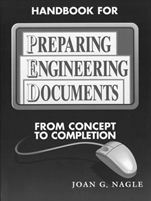
Handbook for Preparing Engineering Documents: From Concept to Completion
ISBN 9780780310971
Autor: Joan G. Nagle
Wydawca: Wiley
Dostępność: 3-6 tygodni
Cena: 454,65 zł
Przed złożeniem zamówienia prosimy o kontakt mailowy celem potwierdzenia ceny.
ISBN13: |
9780780310971 |
ISBN10: |
0780310977 |
Autor: |
Joan G. Nagle |
Oprawa: |
Paperback |
Rok Wydania: |
1995-09-21 |
Ilość stron: |
392 |
Wymiary: |
236x166 |
Tematy: |
TG |
Electrical Engineering/Technical Writing
Handbook for Preparing Engineering Documents: From Concept to Completion
"Extremely useful to engineers … a ready reference tool to be kept close at hand … an immense help to engineers who need immediate, specific help on specific points of organizing text in documents they are preparing for publication … a work to be consulted and well thumbed … which will be used again and again by working professionals, and not just placed on a reference shelf."
—Anthony Cotterell, University of Nevada, Reno
"Excellent! Great ideas and suggestions (based on studies). Good advice and good thought processes to use before/during the beginning phases of designing … handy requirements table."
—Ann Christofferson, Professional Technical Writer
State–of–the–art in its simple, user–friendly presentation, this comprehensive handbook covers the entire process of preparing, producing, and distributing engineering documents using current computer software and the most recent technologies in information transfer. From developing concepts to effectively reaching an audience, Handbook for Preparing Engineering Documents provides everything the engineer needs to know for document preparation, production, and distribution in clear, user–friendly language. Extensive indexing and cross–referencing make it possible to find answers quickly. Prepared with a special focus on problem–solving techniques, Handbook for Preparing Engineering Documents sets a new standard in scientific documentation. Key Features Are:Useful writing principles in engineering documentationInstructions for computer creation of illustrations and tablesInformation using advanced desktop publishing technologies and serviceTables of how long it takes to carry out each step in the process, how to speed up each step if necessary, and how to cut
costsAdvice regarding liability, copyright, and protection of proprietary and sensitive informationGuidelines for electronic information transferNew developments in the publications field, such as documentation by CD–ROM or Internet/World–Wide Web, hypertext, and specialized formats such as SGML and HTML
Spis treści:
Illustrations.
Tables.
Preface.
How to use this book.
Acknowledgments.
1 INTRODUCTION.
Why document our work?
Why do it well?
Preparing documents as an engineering process.
How this book is organized.
2 REQUIREMENTS ANALYSIS.
Purpose.
Audience.
Needs.
Content.
Economy.
Compatibility.
Approach.
Background.
Technical expertise.
Reading ability.
Cultural factors.
Attitude.
Time.
3 DESIGN.
Design methods.
Getting started.
Clustering.
Outlining.
Dividing up the work.
Design parameters.
Arrangement.
Elegance.
Appearance.
Summary of prestructuring work.
4 COMPONENTS AND ASSEMBLY.
Verbal components and assembly.
Components.
Words.
Phrases/clauses.
Sentences.
Paragraphs.
Headings, subheadings, and captions.
Assembly.
Grammar.
Syntax.
Punctuation.
Illustrative components.
Graphs.
Charts.
Line drawings.
Photographs.
Graphic elements.
Data components.
Equations.
Tables.
Computer printouts.
Expression of numerical information.
Integration.
5 CONTROLS.
Engineering judgment.
Honesty.
Objectivity.
Credit.
Attitude.
Inclusiveness.
Collaborator/team control.
Company control.
Technical information.
Proprietary information.
Sensitive information.
Legal control.
Copyright law.
Obtaining a copyright.
Using copyrighted material.
Liability law.
6 PACKAGING.
Formatting.
Character format.
Typeface.
Type style.
Type size.
Paragraph format.Line length.
Indentation.
Paragraph spacing.
Headings and paragraph identifiers.
Style sheets and specified formats.
Style sheets.
Customer–specified formats.
Standard Generalized Markup Language.
Hypertext Markup Language.
Illustration format.
Table format.
Type style and size.
Alignment.
Borders, blocks, and leaders.
Captions.
Footnotes.
Continuation pages.
Page setup.
Margins.
Paper size.
Orientation.
Page makeup.
Document consolidation.
Pagination.
Footnotes/references.
Front/back matter.
Paper.
Binding.
Wire stitching.
Mechanical binding.
Perfect binding.
Other binding considerations.
Tabs and breaker pages.
Inserts and enclosures.
Folding.
Jogging and trimming.
7 TESTING.
Functionality testing.
Usability testing.
User reviews.
User interviews.
Usability tests.
Quality assurance.
Editing.
Electronic editing.
Format editing.
Illustration editing.
Data editing.
Critical reading.
Proofreading.
8 PRODUCT ION.
Production management.
Protection.
Protection against loss.
Protection from unauthorized access.
Consensus/clearance.
Iteration control.
Large document management.
Scheduling.
Parallel development.
Formal planning.
Problem–solving.
Contingency.
Prototype production.
Methods.
Text.
Illustrations.
Data.
Advanced publishing technologies and services.
Prepress work.
Pilot–scale production.
Full production.
Printing methods.
Printing costs.
Distribution.
Distribution lists.
Distribution methods.
Distribution control and change management.
Electronic production/distribution.
Deciding to go electronic.
Creating online documentation.
9 BIBLIOGRAPHY.
References.
Resources.
Requirements analysis, design, components and assembly.
Controls.
Packaging.
Testing.
Production.
Mechanics of documentation.
Dictionaries.
APPENDIX: MECHANICS OF DOCUMENTATION.
QUICK–REFERENCE GUIDES.
Abbreviations and acronyms.
Capitalization.
Compounding.
Metric conversions.
Numbers.
Punctuation.
References and notes.
Spelling.
Symbols.
Usage.
Index.
Okładka tylna:
Electrical Engineering/Technical Writing
Handbook for Preparing Engineering Documents: From Concept to Completion
"Extremely useful to engineers … a ready reference tool to be kept close at hand … an immense help to engineers who need immediate, specific help on specific points of organizing text in documents they are preparing for publication … a work to be consulted and well thumbed … which will be used again and again by working professionals, and not just placed on a reference shelf."
—Anthony Cotterell, University of Nevada, Reno
"Excellent! Great ideas and suggestions (based on studies). Good advice and good thought processes to use before/during the beginning phases of designing … handy requirements table."
—Ann Christofferson, Professional Technical Writer
State–of–the–art in its simple, user–friendly presentation, this comprehensive handbook covers the entire process of preparing, producing, and distributing engineering documents using current computer software and the most recent technologies in information transfer. From developing concepts to effectively reaching an audience, Handbook for Preparing Engineering Documents provides everything the engineer needs to know for document preparation, production, and distribution in clear, user–friendly language. Extensive indexing and cross–referencing make it possible to find answers quickly. Prepared with a speci
Koszyk
Książek w koszyku: 0 szt.
Wartość zakupów: 0,00 zł
Informacje


Kontakt
Gambit
Centrum Oprogramowania
i Szkoleń Sp. z o.o.
Al. Pokoju 29b/22-24
31-564 Kraków
Siedziba Księgarni
ul. Kordylewskiego 1
31-542 Kraków
+48 12 410 5991
+48 12 410 5987
+48 12 410 5989
Subskrypcje
Administratorem danych osobowych jest firma Gambit COiS Sp. z o.o. Na podany adres będzie wysyłany wyłącznie biuletyn informacyjny.
Autoryzacja płatności

Informacje na temat autoryzacji płatności poprzez PayU.

© Copyright 2012: GAMBIT COiS Sp. z o.o. Wszelkie prawa zastrzeżone.
Projekt i wykonanie: Alchemia Studio Reklamy