


Wydawcy
Katalog tematyczny
- Archeologia (109)
- Ekonomia, finanse, business (13704)
- Filozofia (1445)
- Historia (3040)
- Języki i językoznawstwo (2356)
- Lifestyle, hobby i rozrywka (475)
- Medycyna (9704)
- Nauki humanistyczne (4)
- Nauki o Ziemi i środowisku (2638)
- Nauki ścisłe (20412)
- Nauki społeczne (8486)
- Nauki techniczne (13450)
- Budownictwo lądowe (1045)
- Budownictwo komunikacyjne (9)
- Hydraulika (33)
- Konstrukcje budowlane (95)
- Mechanika konstrukcji (182)
- Przemysł budowlany (7)
- Chemia przemysłowa (2258)
- Elektronika i telekomunikacja (3287)
- Energetyka (1122)
- Inne nauki stosowane (363)
- Inżynieria biochemiczna (507)
- Inżynieria transportu (232)
- Mechanika i materiały (3316)
- Nauka o środowisku (321)
- Rolnictwo (507)
- Technika, ogólnie (475)
- Prawo (1696)
- Publikacje informacyjne i interdyscyplinarne (1288)
- Religia i wierzenia (917)
- Technika komputerowa (4067)
- Zdrowie, relacje międzyludzkie i rozwój osobisty (657)





Informacje szczegółowe o książce
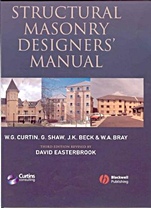
Structural Masonry Designers Manual
ISBN 9780632056125
Autor: W. G. Curtin, Gerry Shaw, J. K. Beck, W. A. Bray, David Easterbrook
Wydawca: Wiley
Dostępność: 3-6 tygodni
Cena: 904,05 zł
Przed złożeniem zamówienia prosimy o kontakt mailowy celem potwierdzenia ceny.
ISBN13: |
9780632056125 |
ISBN10: |
0632056126 |
Autor: |
W. G. Curtin, Gerry Shaw, J. K. Beck, W. A. Bray, David Easterbrook |
Oprawa: |
Hardback |
Rok Wydania: |
2006-05-31 |
Numer Wydania: |
3rd Edition |
Ilość stron: |
350 |
Wymiary: |
297x210 |
Tematy: |
TN |
This major handbook covers the structural use of brick and blockwork. A major feature is a series of step–by–step design examples of typical elements and buildings.
The book has been revised to include updates to the code of practice BS 5628:2000–2 and the 2004 version of Part A of the Building Regulations. New information on sustainability issues, innovation in masonry, health and safety issues and technical developments has been added.
Spis treści:
Chapter 1 Introduction; 1.1 Present structural forms; 1.2 Examples of structural layout suiting masonry; 1.3 Reinforced and post–tensioned masonry; 1.4 Arches and vaults; 1.5 The robustness of masonry structures; 1.6 Prefabrication; 1.7 Future tradesmen; 1.8 Engineering education; Chapter 2 Advantages & disadvantages of structural masonry; 2.1 Engineering education; 2.1.1 Cost; 2.1.2 Speed of erection; 2.1.3 Aesthetics; 2.1.4 Durability; 2.1.5 Sound insulation; 2.1.6 Thermal insulation; 2.1.7 Fire resistance and accidental damage; 2.1.8 Capital and current energy requirements; 2.1.9 Resistance to movement; 2.1.10 Repair and maintenance; 2.1.11 Ease of combination with other materials; 2.1.12 Availability of materials and labour; 2.1.13 Recyclability; 2.2 Disadvantages; 2.2.1 Lack of education in masonry; 2.2.2 Increase in obstructed area over steel and reinforced concrete; 2.2.3 Problems with some isolated details; 2.2.4 Foundations; 2.2.5 Large openings; 2.2.6 Beams and slabs; 2.2.7 Control joints; 2.2.8 Health & safety considerations; Chapter 3 Design philosophy; 3.1 Strength of material; 3.2 Exploitation of cross–section; 3.3 Exploitation of essential building elements; Chapter 4 Limit state design; Chapter 5 Basis of design (1): vertical loading; 5.1 Compressive strength of masonry; 5.2 Characteristic strength and characteristic load; 5.3 Partial safety factors for loads; 5.4 Characteristic compressive strength of masonry; 5.4.1 Brickwork; 5.4.2
Blockwork; 5.4.3 Natural stone masonry and random rubble masonry; 5.4.4 Alternative construction techniques; 5.5 Partial safety factors for material strength; 5.5.1 Manufacturing control (BS 5628, clause 27.2.1); 5.5.2 Construction control; 5.6 Slenderness ratio; 5.7 Horizontal and vertical lateral supports; 5.7.1 Methods of compliance: Walls – horizontal lateral supports; 5.7.2 Methods of compliance: Walls – vertical lateral supports; 5.8 Effective height or length: Walls; 5.9 Effective thickness of walls; 5.9.1 Solid walls; 5.9.2 Cavity walls; 5.10 Loadbearing capacity reduction factor; 5.11 Design compressive strength of a wall; 5.12 Columns; 5.12.1 Slenderness ratio: Columns; 5.12.2 Columns formed by openings; 5.12.3 Design strength; 5.12.4 Columns or walls or small plan area; 5.13 Eccentric loading; 5.14 Combined effect of slenderness and eccentricity of load; 5.14.1 Walls; 5.14.2 Columns; 5.15 Concentrated loads; Chapter 6 Basis of design (2): lateral loading – tensile and shear strength; 6.1 Direct tensile stress; 6.2 Characteristic flexural strength (tensile) of masonry; 6.2.1 Orthogonal ration; 6.3 Moments of resistance: General; 6.3.1 Moments of resistance; uncracked sections; 6.3.2 Moments of resistance; Cracked sections; 6.4 Cavity Walls; 6.4.1 Vertical twist ties; 6.4.2 Double–triangle and wire butterfly ties; 6.4.3 Selection of ties; 6.4.4 Double–lead (collar–jointed) walls; 6.4.5 Grouted cavity walls; 6.4.6 Differing orthogonal ratios; 6.5 Effective eccentricity method of design; 6.6 Arch method of design; 6.6.1 Vertical arching; 6.6.2 Vertical arching: return walls; 6.6.3 Horizontal arching; 6.7 Free–standing walls; 6.7.1 General; 6.7.2 Design bending moments; 6.7.3 Design moment of resistance; 6.8 Retaining walls; 6.9 Panel walls; 6.9.1 Limiting dimensions; 6.9.2 Design methods; 6.9.3 Design bending moment; 6.9.4 Design moments of resistance; 6.9.5 Design of ties; 6.10 Propped cantilever wall design; 6.10.
1 Geometric and other sections in shear; 6.11 Eccentricity of loading in plane of wall; 6.11.1 Design of walls loaded eccentrically in the plane of the wall; 6.12 Walls subjected to shear forces; 6.12.1 Characteristic and design shear strength; 6.12.2 Resistance to shear; Chapter 7 Strapping, propping and tying of loadbearing masonry; 7.1 Structural action; 7.2 Horizontal movement; 7.3 Shear keying between wall and floors; 7.4 Holding down roofs subject to upward forces; 7.5 Areas of concern; 7.6 Other factors influencing the details of connections; 7.7 Illustrated examples of strapping and tying; 7.8 Design examples: Straps and ties for a three–storey masonry building; Chapter 8 Stability, accidental damage and progressive collapse ;8.1 Progressive collapse; 8.2 Stability; 8.3 Accidental forces (BS 5628, clause 20); 8.4 During construction; 8.5 Extent of damage; 8.6 Design for accidental damage; 8.6.1 Partial safety factors; 8.6.2 Methods (options) of checking; 8.6.3 Loadbearing elements; 8.6.4 Protected member; 8.6.5 General notes; Chapter 9 Structural elements and forms; 9.1 Single–leaf walls; 9.2 Double–leaf collar–jointed walls; 9.3 Double–leaf cavity walls; 9.4 Double–leaf grouted cavity walls; 9.5 Faced walls; 9.6 Veneered walls; 9.7 Walls with improved section modulus; 9.7.1 Chevron or zig–zag walls; 9.7.2 Diaphragm walls; 9.7.3 Mass filled diaphragms; 9.7.4 Piered walls; 9.7.5 Fin walls; 9.8 Reinforced walls; 9.9 Post–tensioned walls; 9.10 Columns; 9.11 Arches; 9.12 Circular and elliptical tube construction; 9.13 Composite construction; 9.14 Horizontally reinforced masonry; 9.15 Chimneys; 9.16 Crosswall construction; 9.17 Cellular construction; 9.18 Column and plate floor construction; 9.19 Combined forms of construction; 9.20 Diaphragm wall and plate roof construction; 9.21 Fin wall and plate roof construction; 9.22 Miscellaneous wall and plate roof construction; 9.23 Spine wall construction; 9.24 Arch and b
uttressed construction; 9.25 Compression tube construction; Chapter 10 Design of masonry elements (1): Vertically loaded; 10.1 Principle of design; 10.2 Estimation of element size required; 10.3 Sequence of design; 10.4 Design of solid walls; 10.5 Design of cavity walls; 10.5.1 Ungrouted cavity walls; 10.5.2 Grouted cavity walls; 10.5.3 Double–leaf (or collar–jointed) walls; 10.6 Design of walls with stiffening piers; 10.7 Masonry columns; 10.8 Diaphragm walls; 10.9 Concentrated loads; Chapter 11 Design of masonry elements (2): Combined bending and axial loading; 11.1 Method of design; Chapter 12 Design of single–storey buildings; 12.1 Design considerations; 12.2 Design procedure; Chapter 13 Fin and diaphragm walls in tall single–storey buildings; 13.1 Comparison of fin and diaphragm walls; 13.2 Design and construction details; 13.3 Architectural design and detailing; 13.3.1 Services; 13.3.2 Sound and thermal insulation; 13.3.3 Damp proof courses and membranes; 13.3.4 Cavity cleaning; 13.4 Structural detailing; 13.4.1 Foundations; 13.4.2 Joints; 13.4.3 Wall opening; 13.4.4 Construction of capping beam; 13.4.5 Temporary propping and scaffolding; 13.5 Structural design: General; 13.5.1 Design principles: Propped cantilever; 13.5.2 Calculate design loadings; 13.5.3 Consider levels of critical stresses; 13.5.4 Design bending moments; 13.5.5 Stability moment of resistance; 13.5.6 Shear lag; 13.5.7 Principal tensile stress; 13.6 Design symbols: Fin and diaphragm walls; 13.7 Fin walls: Structural design considerations; 13.7.1 Interaction between leaves; 13.7.2 Spacing of fins; 13.7.3 Size of fins; 13.7.4 Effective section and trial section; 13.8 Example 1: fin wall; 13.8.1 Design problem; 13.8.2 Design approach; 13.8.3 Characteristic loads; 13.8.4 Design loads; 13.8.5 Design cases (as shown in figure 13.42); 13.8.6 Deflection of roof wind girder; 13.8.7 Effective flange width for T profile; 13.8.8 Spacing of fins; 13.8.9 Trial section; 13.8.10 Cons
Koszyk
Książek w koszyku: 0 szt.
Wartość zakupów: 0,00 zł
Informacje


Kontakt
Gambit
Centrum Oprogramowania
i Szkoleń Sp. z o.o.
Al. Pokoju 29b/22-24
31-564 Kraków
Siedziba Księgarni
ul. Kordylewskiego 1
31-542 Kraków
+48 12 410 5991
+48 12 410 5987
+48 12 410 5989
Subskrypcje
Administratorem danych osobowych jest firma Gambit COiS Sp. z o.o. Na podany adres będzie wysyłany wyłącznie biuletyn informacyjny.
Autoryzacja płatności

Informacje na temat autoryzacji płatności poprzez PayU.

© Copyright 2012: GAMBIT COiS Sp. z o.o. Wszelkie prawa zastrzeżone.
Projekt i wykonanie: Alchemia Studio Reklamy