


Wydawcy
Katalog tematyczny
- Archeologia (109)
- Ekonomia, finanse, business (13704)
- Filozofia (1445)
- Historia (3040)
- Języki i językoznawstwo (2356)
- Lifestyle, hobby i rozrywka (475)
- Medycyna (9704)
- Nauki humanistyczne (4)
- Nauki o Ziemi i środowisku (2638)
- Nauki ścisłe (20412)
- Nauki społeczne (8486)
- Nauki techniczne (13450)
- Prawo (1696)
- Publikacje informacyjne i interdyscyplinarne (1288)
- Religia i wierzenia (917)
- Technika komputerowa (4067)
- Zdrowie, relacje międzyludzkie i rozwój osobisty (657)





Informacje szczegółowe o książce
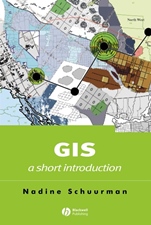
GIS: A Short Introduction
ISBN 9780631235330
Autor: Nadine Schuurman
Wydawca: Wiley
Dostępność: 3-6 tygodni
Cena: 197,40 zł
Przed złożeniem zamówienia prosimy o kontakt mailowy celem potwierdzenia ceny.
ISBN13: |
9780631235330 |
ISBN10: |
0631235337 |
Autor: |
Nadine Schuurman |
Oprawa: |
Paperback |
Rok Wydania: |
2004-04-05 |
Ilość stron: |
184 |
Wymiary: |
238x155 |
Tematy: |
RG |
This guide enables students of human geography to take a critical look at the theory and practices that together comprise GIS. It outlines the value – both intellectual and technical – of GIS for human geographers, recognising the positive effects GIS has had on the discipline but also pointing out its limitations.
The guide addresses issues important to human geographers such as how data are represented through digital models and how different ontologies emerge from different data models. It explores the influence of cultural and social context on the development of theory in GIS. As a means of illustrating the analytical, interpretative and methodological issues associated with GIS problem solving, the text describes two sets of challenges that GIS users and researchers face. The first includes data collection, organization, standardization and the difficulties inherent in interpreting semantics. The second refers to the problem of developing spatial analysis and models. Both sets of challenges draw on contemporary research and use examples from on–going research. The guide also includes a close reading of a GIS analysis from health geography in order to elucidate the conceptual and operational bases of GIS. A final chapter provides an inventory of tools and information related to GIS, covering web–based resources, current texts, and theoretical approaches and critiques of GIS. The guide is supported by a website featuring all the illustrations from the book in full colour.
Spis treści:
List of Figures.
List of Tables.
Series Editor′s Preface.
Author′s Acknowledgements.
1.Introducing The Identities Of GIS.
2.GIS, Human Geography, And The Intellectual Territory Between Them.
3.The Devil Is In The Data: Collection, Representation, And Standardization.
4.Bringing It All Together Using GIS To Analyse And Model Spatial Phenomena.
5.Where Do I Go From Here? GIS Training And Research.<
br>References.
Index.
Nota biograficzna:
Nadine Schuurman is Assistant Professor of Geography at Simon Fraser University. She did her Ph.D. at the University of British Columbia and integrates science and technology studies in solving technical problems in GIS. She has published in both human geography journals such as PIHG, Society and Space, and Gender, Place and Culture as well as GIS journals including Cartographica and Cartography and GIS.
Okładka tylna:
This guide enables students of human geography to take a critical look at the theory and practices that together comprise GIS. It outlines the value – both intellectual and technical – of GIS for human geographers, recognising the positive effects GIS has had on the discipline but also pointing out its limitations.
The guide addresses issues important to human geographers such as how data are represented through digital models and how different ontologies emerge from different data models. It explores the influence of cultural and social context on the development of theory in GIS. As a means of illustrating the analytical, interpretative and methodological issues associated with GIS problem solving, the text describes two sets of challenges that GIS users and researchers face. The first includes data collection, organization, standardization and the difficulties inherent in interpreting semantics. The second refers to the problem of developing spatial analysis and models. Both sets of challenges draw on contemporary research and use examples from on–going research. The guide also includes a close reading of a GIS analysis from health geography in order to elucidate the conceptual and operational bases of GIS. A final chapter provides an inventory of tools and information related to GIS, covering web–based resources, current texts, and theoretical approaches and critiques of GIS. The guide is supported by a website featuring all the i
llustrations from the book in full colour.
Koszyk
Książek w koszyku: 0 szt.
Wartość zakupów: 0,00 zł
Informacje


Kontakt
Gambit
Centrum Oprogramowania
i Szkoleń Sp. z o.o.
Al. Pokoju 29b/22-24
31-564 Kraków
Siedziba Księgarni
ul. Kordylewskiego 1
31-542 Kraków
+48 12 410 5991
+48 12 410 5987
+48 12 410 5989
Subskrypcje
Administratorem danych osobowych jest firma Gambit COiS Sp. z o.o. Na podany adres będzie wysyłany wyłącznie biuletyn informacyjny.
Autoryzacja płatności

Informacje na temat autoryzacji płatności poprzez PayU.

© Copyright 2012: GAMBIT COiS Sp. z o.o. Wszelkie prawa zastrzeżone.
Projekt i wykonanie: Alchemia Studio Reklamy