


Wydawcy
Katalog tematyczny
- Archeologia (109)
- Ekonomia, finanse, business (13704)
- Filozofia (1445)
- Historia (3040)
- Języki i językoznawstwo (2356)
- Lifestyle, hobby i rozrywka (475)
- Medycyna (9704)
- Nauki humanistyczne (4)
- Nauki o Ziemi i środowisku (2638)
- Nauki ścisłe (20412)
- Nauki społeczne (8486)
- Edukacja (229)
- Kryminologia, opieka spełeczna (284)
- Obronność (10)
- Polityka (1389)
- Psychologia (777)
- Socjologia (410)
- Społeczeństwo i kultura (187)
- Nauki techniczne (13450)
- Prawo (1696)
- Publikacje informacyjne i interdyscyplinarne (1288)
- Religia i wierzenia (917)
- Technika komputerowa (4067)
- Zdrowie, relacje międzyludzkie i rozwój osobisty (657)







Informacje szczegółowe o książce
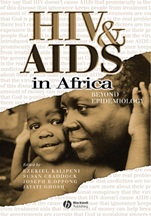
HIV and AIDS in Africa: Beyond Epidemiology
ISBN 9780631223573
Autor: Ezekiel Kalipeni, Susan Craddock, Joseph R. Oppong, Jayati Ghosh
Wydawca: Wiley
Dostępność: 3-6 tygodni
Cena: 282,45 zł
Przed złożeniem zamówienia prosimy o kontakt mailowy celem potwierdzenia ceny.
ISBN13: |
9780631223573 |
ISBN10: |
0631223576 |
Autor: |
Ezekiel Kalipeni, Susan Craddock, Joseph R. Oppong, Jayati Ghosh |
Oprawa: |
Paperback |
Rok Wydania: |
2003-10-02 |
Ilość stron: |
416 |
Wymiary: |
240x176 |
Tematy: |
JB |
AIDS is devastating many areas of sub–Saharan Africa.
Over twelve million people in the region have died of AIDS in the past decade.
Over 29.4 million people in the region are infected with HIV.
Of the eleven people who contract HIV each minute in the world, ten live in sub–Saharan Africa.
With no known cure and no vaccine as yet available, an estimated 60% of Africans under the age of eighteen today will be dead of AIDS before they reach 45 years of age. Most prevention programs have largely failed because the research behind them has focused primarily on “risk groups,” behavioral change models, and flawed understandings of cultural practices.
HIV and AIDS in Africa: Beyond Epidemiology seeks to shift the predominant understandings generated by biomedical and epidemiological research, recognizing that HIV transmission in sub–Saharan Africa is a complex and regionally–specific phenomenon rooted in local economies, deepening poverty, migration, gender, war, global economies, and cultural politics. International contributors from across the social sciences further our understanding of AIDS by looking at the epidemic from angles often inadequately explored. Ultimately, the underlying message of every contributor to this book is that AIDS is not going to diminish in Africa until social, gender, and economic inequities are addressed in meaningful ways.
Spis treści:
About the Authors.
Acknowledgements.
Introduction: Beyond Epidemiology: Locating AIDS In Africa. (Susan Craddock).
Part I: History.
Section Introduction. Susan Craddock.
1. AIDS, History & Struggles Over Meaning. (Brooke Grundfest).
2. Politics, Culture And Medicine: An Unholy Trinity? Historical Continuities And Rupture In The HIV/AIDS Story In Malawi. (John Lloyd Lwanda).
Part II: AIDS In Africa: Regional Perspectives.
Section Introduction. Su
san Craddock.
3. Perceptions And Misperceptions Of AIDS In Africa. (Joseph R. Oppong And Ezekiel Kalipeni).
4. Mapping The AIDS Pandemic In Eastern And Southern Africa. A Critical Overview. (Ezekiel Kalipeni, Susan Craddock, And Jayati Ghosh).
5. HIV/AIDS In West Africa: The Case Of Senegal, Ghana And Nigeria. (Joseph R. Oppong And Samuel Agyei–Mensah).
Part III: Beyond Epidemiology: Understanding The Issues In Social Terms.
Section Introduction. (Susan Craddock).
A. Gendered Vulnerabilities.
6. Condoms, Consent And ‘Cultural Entrapments’: A Further Look At Gendered & Occupational Factors Pertinent To The Transmission Of HIV In Africa. (Anne V. Akeroyd).
7. Strategies For Prevention Of Sexual Transmission Of HIV/AIDS Among Adolescents: The Case Of High School Students In Kenya. (Njeri Mbugua).
8. AIDS In Africa: Structure, Agency & Risk. (Brooke Grundfest).
B. Sexualities.
9. Culture, Sexuality, And Women′s Agency In The Prevention Of HIV/AIDS In Southern Africa American Journal Of Public Health. (Ida Susser And Zena).
10. Migrancy, Masculine Identities And AIDS: The Psychosocial Context Of HIV Transmission On The South African Gold Mines. (Catherine Campbell).
11. The Invisible Presence Of Homosexuality: Implications For HIV/AIDS And Rights In Southern Africa. (Oliver Phillips).
C. Poverty, Migration, War.
12. Urbanization, Poverty, And Sex: Roots Of Risky Behaviors In Slum Settlements In Nairobi, Kenya. (Eliya Msiyaphazi Zulu, Alex Chika and F. Nii–Amoo).
13. Mobile Populations And HIV/AIDS In East Africa. (Maryinez Lyons).
14. Understanding The African HIV Pandemic: An Appraisal Of The Contexts And Lay Explanation Of The HIV/AIDS Pandemic With Examples From Tanzania And Kenya. (Gabriel Rugalema).
15. Socioeconomic Obstacles To HIV Prevention And Treatment In Developing Countries: The Roles Of The International Monetary Fund And The World Bank. (Peter Lurie,
Percy C. Hintzen, And Robert A. Lowe).
Part IV: Research Methods, Agendas, And Ethics.
Section Introduction. (Susan Craddock).
16. Participatory Diagramming And The Ethical & Practical Challenges Of Helping Africans Themselves To ‘Map The Issues’ Around HIV. (Mike Kesby).
17. Community–Based Research On AIDS In The Context Of Global Inequalities – Making A Virtue Of Necessity? (Carolyn Baylies).
18. AIDS And Ethics: Clinical Trials, Pharmaceuticals, And Global Scientific Practice. (Susan Craddock).
Part V: Understanding The Repercussions / Impacts.
Section Introduction. (Susan Craddock).
19. Excerpt From We Miss You All. (Noerine Kaleeba).
20. Understanding AIDS In Public Lives. (David Eaton).
21. Economic Growth In Sub Saharan Africa: The Potential Impact Of HIV/AIDS. (Lynn R. Brown).
22. Rising Tide Of AIDS Orphans In Southern Africa. (Jayati Ghosh And Ezekiel Kalipeni).
23. A Mother To Her Brothers: A Child–Headed Household’s Story, Johannesburg, South Africa. (Emma Guest).
Concluding Remarks: Beyond Epidemiology. (Joseph R. Oppong And Jayati Ghosh).
Bibliography.
Index.
Nota biograficzna:
Ezekiel Kalipeni is Associate Professor of Geography and African Studies at the University of Illinois at Urbana–Champaign.
Susan Craddock is Associate Professor in the Women’s Studies Department and in the Institute for Global Studies at the University of Minnesota.
Joseph R. Oppong is Associate Professor of Geography at the University of Northern Texas.
Jayati Ghosh is Associate Professor of International Business and Interdisciplinary Studies at the Dominican University of California.
Okładka tylna:
AIDS is devastating many areas of sub–Saharan Africa.
Over twelve million people in the region have died of AIDS in the past decade.
Over 29.4 mi
llion people in the region are infected with HIV.
Of the eleven people who contract HIV each minute in the world, ten live in sub–Saharan Africa.
With no known cure and no vaccine as yet available, an estimated 60% of Africans under the age of eighteen today will be dead of AIDS before they reach 45 years of age. Most prevention programs have largely failed because the research behind them has focused primarily on “risk groups,” behavioral change models, and flawed understandings of cultural practices.
HIV and AIDS in Africa: Beyond Epidemiology seeks to shift the predominant understandings generated by biomedical and epidemiological research, recognizing that HIV transmission in sub–Saharan Africa is a complex and regionally–specific phenomenon rooted in local economies, deepening poverty, migration, gender, war, global economies, and cultural politics. International contributors from across the social sciences further our understanding of AIDS by looking at the epidemic from angles often inadequately explored. Ultimately, the underlying message of every contributor to this book is that AIDS is not going to diminish in Africa until social, gender, and economic inequities are addressed in meaningful ways.
Koszyk
Książek w koszyku: 0 szt.
Wartość zakupów: 0,00 zł
Informacje


Kontakt
Gambit
Centrum Oprogramowania
i Szkoleń Sp. z o.o.
Al. Pokoju 29b/22-24
31-564 Kraków
Siedziba Księgarni
ul. Kordylewskiego 1
31-542 Kraków
+48 12 410 5991
+48 12 410 5987
+48 12 410 5989
Subskrypcje
Administratorem danych osobowych jest firma Gambit COiS Sp. z o.o. Na podany adres będzie wysyłany wyłącznie biuletyn informacyjny.
Autoryzacja płatności

Informacje na temat autoryzacji płatności poprzez PayU.

© Copyright 2012: GAMBIT COiS Sp. z o.o. Wszelkie prawa zastrzeżone.
Projekt i wykonanie: Alchemia Studio Reklamy