


Wydawcy
Katalog tematyczny
- Archeologia (109)
- Ekonomia, finanse, business (13704)
- Filozofia (1445)
- Historia (3040)
- Języki i językoznawstwo (2356)
- Lifestyle, hobby i rozrywka (475)
- Medycyna (9704)
- Nauki humanistyczne (4)
- Nauki o Ziemi i środowisku (2638)
- Nauki ścisłe (20412)
- Nauki społeczne (8486)
- Nauki techniczne (13450)
- Prawo (1696)
- Publikacje informacyjne i interdyscyplinarne (1288)
- Bibliotekoznawstwo, informacja naukowa i muzealnictwo (433)
- Encyklopedie i leksykony (181)
- Informacja naukowa (88)
- Zagadnienia interdyscyplinarne (391)
- Religia i wierzenia (917)
- Technika komputerowa (4067)
- Zdrowie, relacje międzyludzkie i rozwój osobisty (657)





Informacje szczegółowe o książce
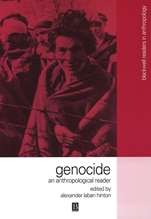
Genocide: An Anthropological Reader
ISBN 9780631223559
Autor: Alexander Hinton
Wydawca: Wiley
Dostępność: 3-6 tygodni
Cena: 246,75 zł
Przed złożeniem zamówienia prosimy o kontakt mailowy celem potwierdzenia ceny.
ISBN13: |
9780631223559 |
ISBN10: |
063122355X |
Autor: |
Alexander Hinton |
Oprawa: |
Paperback |
Rok Wydania: |
2001-12-14 |
Ilość stron: |
392 |
Wymiary: |
245x170 |
Tematy: |
GTS |
During the 20th century tens of millions of people were annihilated by genocidal regimes. As we enter the 21st century, we must look back and attempt to comprehend what has been aptly termed the "century of genocide." It is only through such understanding that we can begin to imagine ways of preventing or minimizing future atrocities.
Genocide: An Anthropological Reader lays the foundation for a ground–breaking "anthropology of genocide" by gathering together for the first time the seminal texts for learning about and understanding this phenomenon. While scholars in other fields have conducted excellent analyses of the macrolevel factors facilitating genocide, few have been able to approach genocide from the local perspective. By filling this important niche–pulling together key anthropological and interdisciplinary sources on genocide – Genocide: An Anthropological Reader stands both to make an important contribution to our understanding of genocide and to serve as a valuable resource for readers across a wide variety of fields.
Spis treści:
Acknowledgements. .
Introduction: Genocide and Anthropology: Alexander Laban Hinton.
Part I: Conceptual Foundations.
1. Genocide. ( Raphaël Lemkin).
2. Text of the UN Genocide Convention.
3. Genocide: Its Political Use in the Twentieth Century. (Leo Kuper).
4. Genocide: A Sociological Perspective. (Helen Fein).
5. Eichmann in Jerusalem: A Report on the Banality of Evil. (Hannah Arendt).
6. Modernity and the Holocaust. (Zygmunt Bauman).
Part II: Genocide, History, and Modernity.
7. Victims of Progress. (John H. Bodley).
8. Culture of Terror – Space of Death: Roger Casement′s Putumayo Report and the Explanation of Torture. (Michael Taussig).
9. National Socialist Germany. (Eric R. Wolf).
Part III: Manufacturing Difference and "Purification".
10. "Ethnic Cleansing": A Metaphor for Our Ti
me? (Akbhar S. Ahmed).
11. Imagined Communities and Real Victims: Self–Determination and Ethnic Cleansing in Yugoslavia. (Robert M. Hayden).
12. A Head for an Eye: Revenge in the Cambodian Genocide. (Alexander Laban Hinton).
13. Dead Certainty: Ethnic Violence in the Era of Globalization: Arjun Appadurai.
Part IV: Coping and Understanding.
14. Fear as a Way of Life. (Linda Green).
15. The Myth of Global Ethnic Conflict. (John R. Bowen).
16. Speechless Emissaries: Refugees, Humanitarianism, and Dehistoricization. (Liisa H. Malkki).
Appendix: Websites on Genocide.
Index.
Nota biograficzna:
Alexander Laban Hinton is Assistant Professor in the Department of Sociology and Anthropology and a faculty fellow in the Center for Global Change and Governance at Rutgers University, Newark. He is the editor of Biocultural Approaches to the Emotions (1999) and Annihilating Difference: The Anthropology of Genocide (2002), an edited collection of new research articles
Okładka tylna:
During the 20th century tens of millions of people were annihilated by genocidal regimes. As we enter the 21st century, we must look back and attempt to comprehend what has been aptly termed the "century of genocide." It is only through such understanding that we can begin to imagine ways of preventing or minimizing future atrocities.
Genocide: An Anthropological Reader lays the foundation for a ground–breaking "anthropology of genocide" by gathering together for the first time the seminal texts for learning about and understanding this phenomenon. While scholars in other fields have conducted excellent analyses of the macrolevel factors facilitating genocide, few have been able to approach genocide from the local perspective. By filling this important niche–pulling together key anthropological and interdisciplinary sources on genocide – Genocide: An Anthropological Reader<
/i> stands both to make an important contribution to our understanding of genocide and to serve as a valuable resource for readers across a wide variety of fields.
Koszyk
Książek w koszyku: 0 szt.
Wartość zakupów: 0,00 zł
Informacje


Kontakt
Gambit
Centrum Oprogramowania
i Szkoleń Sp. z o.o.
Al. Pokoju 29b/22-24
31-564 Kraków
Siedziba Księgarni
ul. Kordylewskiego 1
31-542 Kraków
+48 12 410 5991
+48 12 410 5987
+48 12 410 5989
Subskrypcje
Administratorem danych osobowych jest firma Gambit COiS Sp. z o.o. Na podany adres będzie wysyłany wyłącznie biuletyn informacyjny.
Autoryzacja płatności

Informacje na temat autoryzacji płatności poprzez PayU.

© Copyright 2012: GAMBIT COiS Sp. z o.o. Wszelkie prawa zastrzeżone.
Projekt i wykonanie: Alchemia Studio Reklamy