


Wydawcy
Katalog tematyczny
- Archeologia (109)
- Ekonomia, finanse, business (13704)
- Filozofia (1445)
- Historia (3040)
- Języki i językoznawstwo (2356)
- Lifestyle, hobby i rozrywka (475)
- Medycyna (9704)
- Nauki humanistyczne (4)
- Nauki o Ziemi i środowisku (2638)
- Nauki ścisłe (20412)
- Nauki społeczne (8486)
- Nauki techniczne (13450)
- Prawo (1696)
- Publikacje informacyjne i interdyscyplinarne (1288)
- Religia i wierzenia (917)
- Technika komputerowa (4067)
- Zdrowie, relacje międzyludzkie i rozwój osobisty (657)





Informacje szczegółowe o książce
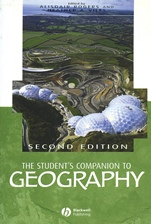
The Students Companion to Geography
ISBN 9780631221333
Autor: Alisdair Rogers, Heather A. Viles
Wydawca: Wiley
Dostępność: 3-6 tygodni
Cena: 195,30 zł
Przed złożeniem zamówienia prosimy o kontakt mailowy celem potwierdzenia ceny.
ISBN13: |
9780631221333 |
ISBN10: |
0631221336 |
Autor: |
Alisdair Rogers, Heather A. Viles |
Oprawa: |
Paperback |
Rok Wydania: |
2002-11-14 |
Numer Wydania: |
2nd Edition |
Ilość stron: |
412 |
Wymiary: |
227x153 |
Tematy: |
RG |
The Student′s Companion to Geography is an essential resource for those studying geography at university, as well as for those thinking of applying in the future. Contributions from leading geographers from around the world provide a whole range of information about what today′s geography is all about, how to study it and how to find out more.
Changes for the revised second edition include:
The section on what geographers are doing has been completely revised and includes new entries on geocomputation, gender, environmental knowledge, geoarchaeology and globalization.
More material has been added on effective learning, from good essay writing and efficient note taking in lectures, to tips for successful presentations.
An important new chapter on ethics in geographical research has been added.
A major new section on geography′s relation to science and society has also been introduced.
The geographical directory now focuses on online resources.
Practical tips on writing a good CV and information on international study are given.
Spis treści:
List of Contributors.
Introduction. Heather A. Viles and Alisdair Rogers (University of Oxford).
Part I: Why Study Geography?.
1. Why Study Geography? Heather A. Viles and Alisdair Rogers (University of Oxford).
2. A Geographer′s Eye...(Four Days in Newcastle): Stuart Franklin (University of Oxford).
Part II: What Are Geographers Doing?.
3. Long–term Environmental Change: Quaternary Climate Oscillations and their Impacts on the Environment: Andrew S. Goudie (Oxford University).
4. Human Impacts on the Environment: Ian Simmons (University of Durham).
5. Growing on Trees: Evidence of Human–induced Global Warming: Robert L. Wilby (King′s College, London).
6. Biodiversity: The Variety of Life: Richard Fields (University of Nottingham).
7. Geoarcha
eology: Jamie C. Woodward (University of Leeds).
8. Fluvial Environments: Mark Patrick Taylor (Macquarie University).
9. Glacial and Mountain Environments: Glacial Retreat as an Agent of Landscape Change: Stephan Harrison (Coventry University).
10. Coastal Environments: Geomorphological Contributions to Coastal Management: Peter W. French (Royal Holloway, University of London).
11. Dryland Environments: Changing Perceptions of Dynamic Landscapes: David J. Nash (University of Brighton).
12. Environmental Modelling: Stuart Lane (University of Leeds).
13. Geocomputation: Rachael A. McDonnell (Hertford College, University of Oxford).
14. Strange Natures: Geography and the Study of Human–Environment Relationships: Noel Castree (Manchester University).
15. Environmental Science, Knowledge and Policy: Sally Eden (University of Hull).
16. Tourism, Environment and Sustainability: Everyday Worlds, Extra–ordinary Worlds: Tim Coles (University of Exeter).
17. Critical Geography and the Study of Development: Showers of Blessing? Ben Page (University of Oxford).
18. Globalization: Henry Wai–chung Yeung (National University of Singapore).
19. Historical Geography: Making the Modern World: Catherine Nash (Royal Holloway, University of London) and Miles Ogborn (Queen Mary, University of London).
20. New Political Geographies ‘Twixt Places and Flows: Peter J. Taylor (Loughborough University).
21. World on the Move: Migration and Transnational Communities: Alisdair Rogers (University of Oxford).
22. Urban Geography: The ‘Death' of the City? Loretta Lees (King′s College, London).
23. Feminist Geographies: Intersections of Space and Gender: Claire Dwyer (University College, London).
24. Mapping Culture: Peter Jackson (University of Sheffield).
25. New Geographies of Disease: HIV/AIDS: Robin Kearns (University of Auckland).
26. Social Exclusion and Inequality: Chris Thomas (Reading
Borough Council) and Stephen Williams (Staffordshire University).
Part III: Studying Geography:.
27. Cartography and Visualization: Scott Orford (University of Cardiff), Danny Dorling (University of Leeds) and Richard Harris (Birkbeck College, London).
28. Spatial and Locational Modelling in Human Geography: Michael Batty (University College, London).
29. Modelling in Physical Geography: Susan M. Brooks (Birkbeck College, London).
30. GISystems, GIScience and Remote Sensing: Rachael A. McDonnell (Hertford College, Oxford University).
31. Getting the Best Out of Lectures and Classes: David B. Knight (University of Guelph).
32. Writing Essays and Related Assignments: Rachel Pain (University of Durham).
33. Making a Presentation: Chris Young (Canterbury Christ Church University College).
34. Coping With Exams: Dealing With the Cruel and Unusual: Iain Hay (Flinders University).
35. Research Design for Dissertations and Projects: Brian Hoskin, Wendy Gill and Sue Burkill (College of St Mark and St John, Plymouth, UK).
36. Analysing Data: Allan Pentecost (King′s College, London).
37. Approaches to Physical Geography Fieldwork: David L. Higgitt (University of Durham).
38. Fieldwork Abroad: Katie Willis (University of Liverpool).
39. Laboratory Work: Heather A. Viles (University of Oxford).
40. Questionnaire Surveys: Gary Bridge (University of Bristol).
41. The Art of Interviewing: Jacquelin Burgess (University College, London).
42. Doing Ethnography: Pamela Shurmer–Smith (University of Portsmouth).
43. Investigating Visual Images: John Morgan (University of Bristol).
44. Researching Historical Geography: Robert J. Mayhew (University of Wales, Aberystwyth).
45. Geographical Ethics: Reflections on the Moral and Ethical Issues Involved in Debate and Enquiry: Tim Unwin (Royal Holloway, University of London).
Part IV: Geography in Context:.
46. A Brief History of Geography: David N. Livi
ngstone (Queen's University of Belfast).
47. Geography and the Natural and Physical Sciences: Heather A. Viles (University of Oxford).
48. Geography and the Social Sciences: Gary Bridge (University of Bristol) and Alisdair Rogers (University of Oxford).
49. (Some) Spaces of Critical Geography: Lawrence D. Berg (Okanagan University College, British Columbia, Canada)..
50. A Chronology of Geography, 1859–1999: Alisdair Rogers and Heather A. Viles (University of Oxford).
Part V: A Geographical Directory:.
51. A Geographical Directory: Heather A. Viles and Alisdair Rogers (University of Oxford).
Part VI: Expanding Horizons:.
52. Opportunities for Study Abroad: The SOCRATES–ERASMUS Programme: Fiona O′Carroll and Joe Painter (University of Durham).
53. How to Fund Overseas Travel and Research: David J. Nash (University of Brighton).
54. Applying for UK Master's Courses: John Boardman (University of Oxford).
55. Postgraduate Studies in Australia: Hilary P. M. Winchester (Flinders University) and Stephen J. Gale (University of Sydney).
56. Postgraduate Studies in Canada: Christopher Keylock, Mark Lawless and Robert Schindler (University of Leeds).
57. Postgraduate Studies in Hong Kong: George C.S. Lin (University of Hong Kong).
58. Postgraduate Studies in New Zealand: Wardlow Friesen (University of Auckland).
59. Postgraduate Studies in Singapore: Brenda S.A. Yeoh and Theresa Wong (National University of Singapore).
60. Postgraduate Studies in the United States: Michael C. Slattery (Texas Christian University).
61. Creating a Good CV: Pauline E. Kneale (University of Leeds).
Index.
Nota biograficzna:
Alisdair Rogers is a Fellow of Keble College, Oxford University.
Heather A. Viles is Reader in Geomorphology in the University of Oxford and Fellow of Worcester College.
Okładka tylna:
The Student̸
Koszyk
Książek w koszyku: 0 szt.
Wartość zakupów: 0,00 zł
Informacje


Kontakt
Gambit
Centrum Oprogramowania
i Szkoleń Sp. z o.o.
Al. Pokoju 29b/22-24
31-564 Kraków
Siedziba Księgarni
ul. Kordylewskiego 1
31-542 Kraków
+48 12 410 5991
+48 12 410 5987
+48 12 410 5989
Subskrypcje
Administratorem danych osobowych jest firma Gambit COiS Sp. z o.o. Na podany adres będzie wysyłany wyłącznie biuletyn informacyjny.
Autoryzacja płatności

Informacje na temat autoryzacji płatności poprzez PayU.

© Copyright 2012: GAMBIT COiS Sp. z o.o. Wszelkie prawa zastrzeżone.
Projekt i wykonanie: Alchemia Studio Reklamy