


Wydawcy
Katalog tematyczny
- Archeologia (109)
- Ekonomia, finanse, business (13704)
- Filozofia (1445)
- Historia (3040)
- Języki i językoznawstwo (2356)
- Lifestyle, hobby i rozrywka (475)
- Medycyna (9704)
- Nauki humanistyczne (4)
- Nauki o Ziemi i środowisku (2638)
- Nauki ścisłe (20412)
- Nauki społeczne (8486)
- Nauki techniczne (13450)
- Prawo (1696)
- Publikacje informacyjne i interdyscyplinarne (1288)
- Religia i wierzenia (917)
- Technika komputerowa (4067)
- Zdrowie, relacje międzyludzkie i rozwój osobisty (657)





Informacje szczegółowe o książce
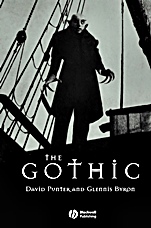
The Gothic
ISBN 9780631220626
Autor: David Punter, Glennis Byron
Wydawca: Wiley
Dostępność: 3-6 tygodni
Cena: 609,00 zł
Przed złożeniem zamówienia prosimy o kontakt mailowy celem potwierdzenia ceny.
ISBN13: |
9780631220626 |
ISBN10: |
0631220623 |
Autor: |
David Punter, Glennis Byron |
Oprawa: |
Hardback |
Rok Wydania: |
2003-12-02 |
Ilość stron: |
336 |
Wymiary: |
244x167 |
Tematy: |
CS |
This guide provides an overview of the most significant issues and debates in Gothic studies. The guide is divided into four parts: The opening section explains the origins and development of the term ‘Gothic’, considers the particular features of the Gothic within specific periods, and explores its evolution in both literary and non–literary forms, such as art, architecture and film. The following section contains extended entries on major writers of the Gothic, pointing to the most significant features of their work. The third section features authoritative readings of key works, ranging from Horace Walpole’s The Castle of Otranto to Bret Easton Ellis’s American Psycho . Finally, the text considers recurrent concerns of the Gothic such as persecution and paranoia, key motifs such as the haunted castle, and figures such as the vampire and the monster. Supplementary material includes a chronology of key Gothic texts, listing literature and film from 1757 to 2000, and a comprehensive guide to further reading.
How to Use This Book. Chronology. Introduction. Backgrounds and Contexts. Civilisation and the Goths. Gothic in the Eighteenth Century. Gothic and Romantic. Science, Industry and the Gothic. Victorian Gothic. Art and Architecture. Gothic and Decadence. Imperial Gothic. Gothic Postmodernism. Postcolonial Gothic. Goths and Gothic Subcultures. Gothic Film. Gothic and the Graphic Novel. Writers of Gothic. William Harrison Ainsworth (1805–82). Jane Austen (1775–1817). J. G. Ballard (1930–). Iain Banks (1954–). John Banville (1945–). Clive Barker (1952–). William Beckford (1760–1844). E. F. Benson (1867–1940). Ambrose Bierce (1842–1914). Algernon Blackwood (1869–1951). Robert Bloch (1917–1994). Elizabeth Bowen (1899–1973). Mary Elizabeth Braddon (1835–1915). Charlotte Brontë (1816–1855) and Emily Brontë (1818–1848). Charles Brockden Brown (1771–1810). Edward George Bulwer–Lytton (1803–1873). James Branch Cabell (1879–1958). Ramsey Campbell (1946–). Angela Carter (1940–1992). Robert W. Chambers (1865–1933). Wilkie Collins (1824–1889). Marie Corelli (1855–1924). Charlotte Dacre (1771/1772?–1825). Walter de la Mare (1873–1956). August Derleth (1909–1971). Charles Dickens (1812–1870). ′Isak Dinesen′ (1885–1962). Arthur Conan Doyle (1859–1930). Lord Dunsany (1878–1957). Bret Easton Ellis (1964–). William Faulkner (1897–1962). Elizabeth Gaskell (1810–1865). William Gibson (1948–). William Godwin (1756–1836). H. Rider Haggard (1856–1925). Nathaniel Hawthorne (1804–1864). James Herbert (1943–). William Hope Hodgson (1877–1918). E. T. A. Hoffmann (1776–1822). James Hogg (1770–1835). Washington Irving (1783–1859). G. P. R. James (1799–1860). Henry James (1843–1916). M. R. James (1862–1936). Stephen King (1947–). Rudyard Kipling (1865–1936). Francis Lathom (1777–1832). J. Sheridan Le Fanu (1814–1873). Sophia Lee (1750–1824). Vernon Lee (1856–1935). M. G. Lewis (1775–1818). David Lindsay (1878–1945). H. P. Lovecraft (1890–1937). George MacDonald (1824–1905). Arthur Machen (1863–1947). James Macpherson (1736–1796). Richard Matheson (1926–). Charles Robert Maturin (1780–1824). Herman Melville (1819–1891). Joyce Carol Oates (1938–). Margaret Oliphant (1828–1897). Mervyn Peake (1911–1968). Edgar Allan Poe (1809–1849). John Polidori (1795–1821). Radcliffe, Ann (1764–1823). Reeve, Clara (1729–1807). G. W. M. Reynolds (1814–1879). Anne Rice (1941–). Walter Scott (1771–1832). Mary Wollstonecraft Shelley (1797–1851). Charlotte Smith (1740–1806). Robert Louis Stevenson (1850–1894). Bram Stoker (1847–1912). Horace Walpole (1717–1797). H. G. Wells (1866–1946). Edith Wharton (1862–1937). Oscar Wilde (1854–1900). Key Works. Horace Walpole, The Castle of Otranto (1764). William Beckford, Vathek (1786). Ann Radcliffe, The Mysteries of Udolpho (1794). William Godwin, Caleb Williams (1794). M. G. Lewis, The Monk (1796). Mary Shelley, Frankenstein (1818, revised 1831). C. R. Maturin, Melmoth the Wanderer (1820). James Hogg, The Private Memoirs and Confessions of a Justified Sinner (1824). Emily Brontë, Wuthering Heights (1847). Wilkie Collins, The Woman in White (1860). Sheridan Le Fanu, Uncle Silas (1864). Robert Louis Stevenson, The Strange Case of Dr Jekyll and Mr Hyde (1886). Bram Stoker, Dracula (1897). Henry James, The Turn of the Screw (1898). Robert Bloch, Psycho (1959). Anne Rice, Interview with the Vampire (1976). Stephen King, The Shining (1977). Bret Easton Ellis, American Psycho (1991). Themes and Topics. The Haunted Castle. The Monster. The Vampire. Persecution and Paranoia. Female Gothic. The Uncanny. The History of Abuse. Hallucination and the Narcotic. Guide to Further Reading. Index
David Punter is Professor of English at the University of Bristol. He has previously taught at the Chinese University of Hong Kong and at Fudan University in Shanghai, among other institutions. His recent publications include Postcolonial Imaginings (2000), Writing the Passions (2000), Gothic Pathologies (1998), and The Literature of Terror (2 vols., 1996). He has also published four volumes of poetry. Glennis Byron is Reader in English Studies at the University of Stirling. She has also taught at the University of Alberta in Canada. Her previous publications include Dramatic Monologue (2003), Letitia Landon: The Woman Behind L.E.L (1995), and Elizabeth Barrett Browning and the Poetry of Love (1989).
"The overall result is wonderfully informative and suggestive for the beginning student, while offering some striking additional insights spread across the book for advanced students of Gothic who have yet to consider such contexts for it as postcolonialism, ′goth′ subcultures and ′Hallucination and the Narcotic′." Gothic Studies
Koszyk
Książek w koszyku: 0 szt.
Wartość zakupów: 0,00 zł
Informacje


Kontakt
Gambit
Centrum Oprogramowania
i Szkoleń Sp. z o.o.
Al. Pokoju 29b/22-24
31-564 Kraków
Siedziba Księgarni
ul. Kordylewskiego 1
31-542 Kraków
+48 12 410 5991
+48 12 410 5987
+48 12 410 5989
Subskrypcje
Administratorem danych osobowych jest firma Gambit COiS Sp. z o.o. Na podany adres będzie wysyłany wyłącznie biuletyn informacyjny.
Autoryzacja płatności

Informacje na temat autoryzacji płatności poprzez PayU.

© Copyright 2012: GAMBIT COiS Sp. z o.o. Wszelkie prawa zastrzeżone.
Projekt i wykonanie: Alchemia Studio Reklamy