


Wydawcy
Katalog tematyczny
- Archeologia (109)
- Ekonomia, finanse, business (13704)
- Filozofia (1445)
- Historia (3040)
- Języki i językoznawstwo (2356)
- Lifestyle, hobby i rozrywka (475)
- Medycyna (9704)
- Nauki humanistyczne (4)
- Nauki o Ziemi i środowisku (2638)
- Nauki ścisłe (20412)
- Nauki społeczne (8486)
- Nauki techniczne (13450)
- Prawo (1696)
- Publikacje informacyjne i interdyscyplinarne (1288)
- Religia i wierzenia (917)
- Technika komputerowa (4067)
- Zdrowie, relacje międzyludzkie i rozwój osobisty (657)





Informacje szczegółowe o książce
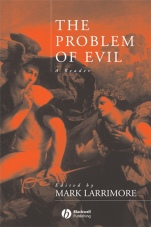
The Problem of Evil: A Reader
ISBN 9780631220138
Autor: Mark Larrimore
Wydawca: Wiley
Dostępność: 3-6 tygodni
Cena: 637,35 zł
Przed złożeniem zamówienia prosimy o kontakt mailowy celem potwierdzenia ceny.
ISBN13: |
9780631220138 |
ISBN10: |
0631220135 |
Autor: |
Mark Larrimore |
Oprawa: |
Hardback |
Rok Wydania: |
2000-10-12 |
Ilość stron: |
432 |
Wymiary: |
231x152 |
Tematy: |
HP |
The ′problem of evil′ is a subject of perennial interest to philosophers of religion and theologians, but research has barely scratched the surface of the complex history of western responses to the challenge of evil. This
Reader brings together primary sources from philosophy, theology and literature to chart the many and changing ways evil has been approached and understood, and to examine the diverse implications it has had for belief and unbelief.
Uncovering forgotten but still powerful arguments and approaches, this Reader provides both an historical and contemporary examination of the practical and theoretical challenges that evil poses to faith, reason, and practice. This fresh, lively, and much–needed new approach to the ′problem of evil′ transcends the narrow approach to the philosophy of religion as currently practised, and will change the way the subject is taught, received and understood.
Acknowledgements.
Introduction. Responding to Evils.
How to Use this Book.
Beginnings.
1 Plato, Timaeus.
2 Lucretius , On the Nature of the Universe.
3 Ovid, Phaethon.
4 Seneca, On Providence .
5 Epictetus, Encheiridion.
6 Irenaeus of Lyons, Against Heretics.
7 Sextus Empiricus, God .
8 Plotinus, Providence: First Treatise .
9 Lactantius, The Wrath of God.
10 Augustine, City of God.
11 Pseudo–Dionysius, On the Divine Names and Mystical Theology.
12 Boethius, The Consolation of Philosophy.
Before Theodicy.
13 Anselm of Canterbury, On the Fall of the Devil.
14 Hildegard of Bingen, To the Congregation of Nuns.
15 Moses Maimonides, Guide of the Perplexed.
16 Thomas Aquinas, Summa Theologica.
17 Three liturgies: Stabat mater, a fifteenth–century Sarum, and Dies irae.
18 Meister Eckhart, Blessed are the poor in spirit .
19 Geoffrey Chaucer, Patient Griselda .
20 Julian of Norwich, Showings.
21 Thomas à Kempis, The Imitation of Christ.
22 Martin Luther, Prefaces to Job, Ecclesiastes, and the Psalter.
23 John Calvin, The Institutes of the Christian Religion: John Calvin.
24 John Donne, Batter my hear, three–personed God.
The Rise of Theodicy.
25 Thomas Hobbes, Leviathan.
26 John Milton, Paradise Lost.
27 Baruch Spinoza, Ethics.
28 Ralph Cudworth, The True Intellectual System of the Universe.
29 Anne Conway, Principles of the Most Ancient and Modern Philosophy.
30 Nicolas Malebranche, Dialogues on Metaphysics and on Religion.
31 Pierre Bayle, Manichees ;Note D.
32 G. W. Leibnitz, Theodicy.
33 Alexander Pope, An Essay on Man.
34 Voltaire, The Lisbon Earthquake: An Inquiry into the Maxim, Whatever us, is right .
35 Jean–Jacques Rousseau, Letter from J.–J. Rosseau to Mr. de Voltaire, August 18, 1756 .
36 David Hume, Dialogues concerning Natural Religion.
37 Immanuel Kant, On the Miscarriage of all Philosophical Trials in Theodicy.
Beyond Optimism.
38 Thomas Robert Malhus, An Essay on the Principle of Population.
39 F. W. Schelling, Philosophical Investigations into the Essence of Human Freedomand Related Matters .
40 John Keats, To George & Georgiana Keats, 14 February–8 May 1819.
41 Georg Wilhelm Friedrich Hegel, The Philosophical History of the World.
42 Ralph Waldo Emerson, The Tragic .
43 The World as Will and Representation: Arthur Schopenhauer.
44 Charles Darwin, to Asa Gray, 22 May 1860.
45 John Stuart Mill, An Examination of Sir William Hamilton′s Philosophy.
46 Fyodor Dostoyevsky, The Brothers Karamazov.
47 Freidrich Neitsche, On the Genealogy of Morality.
48 Gerald Manley Hopkins, Thou Art Indeed Just, Lord .
49 Josiah Royce, The Problem of Job .
The 20th Century.
50 William James, The Varieties of Religious Experience.
51 W. E. B. DuBois, A Litany at Atlanta.
52 Thomas Hardy, Before Life and After.
53 Hermann Cohen, The Religion of Reason out of the Sources of Judaism.
54 Sigmund Freud, The Future of an Illusion.
55 Martin Heidegger, An Introduction to Metaphysics.
56 W. H. Auden, Musée des Beaux Arts.
57 C. S. Lewis, Animal Pain.
58 Simone Weil, The Love of God and Affliction".
59 C. G. Jung, Aion The Serenity Prayer.
60 Karl Barth, God and Nothingness.
61 John Hick, The ′Vale of Soul–Making′ Theodicy.
62 William Jones, Is God a White Racist?.
63 Dorothee Soelle, A Critique of Christian Masochism.
64 Emmanuel Levinas, Useless suffering.
65 Nel Noddings, Women and Evil.
Index.
Scripture Index.
Mark Larrimore is Assistant Professor of Religion and Preceptor at the University Center for Human Values at Princeton University. He is currently completing a study on the ethics of Leibniz′s Theodicy.
"The greatest strength of the reader, apart from the sheer number of selections, is the impressive variety of approaches. This richness of variety lends a particular grace to the volume, making for lively and engaging reading. The volume will prove a valuable reference tool for both student and specialist, and its usefulness is significantly enhanced by the detailed Person, Subject and Scripture indices." The Reformed Theological Review <!––end––>
"Mark Larrimore of the Centre for Human Values at Princeton University has chosen the extracts judiciously and imaginatively and provided short introductions to each of them together with suggestions for further reading. Those students who work carefully through this reader should gain a much more nuanced understanding of this ancient dilemma." Theological Book Review
Koszyk
Książek w koszyku: 0 szt.
Wartość zakupów: 0,00 zł
Informacje


Kontakt
Gambit
Centrum Oprogramowania
i Szkoleń Sp. z o.o.
Al. Pokoju 29b/22-24
31-564 Kraków
Siedziba Księgarni
ul. Kordylewskiego 1
31-542 Kraków
+48 12 410 5991
+48 12 410 5987
+48 12 410 5989
Subskrypcje
Administratorem danych osobowych jest firma Gambit COiS Sp. z o.o. Na podany adres będzie wysyłany wyłącznie biuletyn informacyjny.
Autoryzacja płatności

Informacje na temat autoryzacji płatności poprzez PayU.

© Copyright 2012: GAMBIT COiS Sp. z o.o. Wszelkie prawa zastrzeżone.
Projekt i wykonanie: Alchemia Studio Reklamy