


Wydawcy
Katalog tematyczny
- Archeologia (109)
- Ekonomia, finanse, business (13704)
- Filozofia (1445)
- Historia (3040)
- Języki i językoznawstwo (2356)
- Lifestyle, hobby i rozrywka (475)
- Medycyna (9704)
- Nauki humanistyczne (4)
- Nauki o Ziemi i środowisku (2638)
- Nauki ścisłe (20412)
- Nauki społeczne (8486)
- Nauki techniczne (13450)
- Prawo (1696)
- Publikacje informacyjne i interdyscyplinarne (1288)
- Religia i wierzenia (917)
- Technika komputerowa (4067)
- Zdrowie, relacje międzyludzkie i rozwój osobisty (657)





Informacje szczegółowe o książce
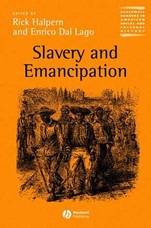
Slavery and Emancipation
ISBN 9780631217343
Autor: Rick Halpern, Enrico Dal Lago
Wydawca: Wiley
Dostępność: 3-6 tygodni
Cena: 609,00 zł
Przed złożeniem zamówienia prosimy o kontakt mailowy celem potwierdzenia ceny.
ISBN13: |
9780631217343 |
ISBN10: |
0631217347 |
Autor: |
Rick Halpern, Enrico Dal Lago |
Oprawa: |
Hardback |
Rok Wydania: |
2002-10-11 |
Ilość stron: |
432 |
Wymiary: |
241x160 |
Tematy: |
HB |
Slavery and Emancipation is the most up–to–date and comprehensive collection of primary and secondary readings on the history of slaveholding in the American South. It combines recent historical research with period documents to bring both immediacy and perspective to the origins, principles, realities, and aftermath of African–American slavery. Central topics include the colonial foundations of slavery, the master–slave relationship, the cultural world of the planters, the slave community, and slave resistance and rebellion. Each topical section contains one major article by a prominent historian, and three primary documents. The documents have been drawn from a wide variety of sources, including plantation records, travellers’ accounts, slave narratives, autobiographies, statute law, diaries, letters, and investigative reports. This material has been carefully chosen to benefit students and readers of the history of African–American slavery and emancipation.
Introduction. Part I: Colonial Origins: Race and Slavery: . Introduction. Documents:. A. The First Blacks Arrive In Virginia (1619). B. Slavery Becomes A Legal Fact In Virginia (17th Century Statutes). C. South Carolina Restricts The Liberty Of Slaves (1740). Article: Philip D. Morgan, Two Infant Slave Societies In The Chesapeake And The Lowcountry (From Slave Counterpoint, 1998). Part II: From African To African–American: Slave Adaptation To The New World:. Introduction. Documents:. A. Olaudah Equiano Describes His Capture (1760). B. Slave Cargo List, South Carolina (1730). C. List Of Fugitive Slave Skills, Virginia (18th Century). Article: Ira Berlin, The Plantation Generation Of African Americans (From Many Thousands Gone, 1998). Part III: The Formation of The Master Class:. Introduction. Documents:. A. William Byrd Ii Describes The Patriarchal Ideal (1726). B. Reverend Jarratt Observes The Life–Style Of Virginia′s Planters (1750). C. Thomas Jefferson Gives Instructions To His Overseer (1774–1790). Article: Kathy Brown, Masters And Mistresses In Colonial Virginia (From Good Wives, Nasty Wenches, And Anxious Patriarchs, 1996). Part IV: Slavery and The American Revolution:. Introduction. Documents:. A. Lord Dunmore′s Proclamation Freeing Slaves In Virginia (1775). B. Virginia′s Manumission Law (1782). C. Thomas Jefferson Expresses His Unease Over Slavery (1782). Article: Peter Kolchin, Slavery And The American Revolution (From American Slavery, 1993). Part V: The Growth of The Cotton Kingdom:. Introduction. Documents:. A. Joseph Baldwin On Cotton Planters In Alabama And Mississippi (1836). B. James Henry Hammond On Agriculture In The Upper South (1841). C. Frederick Law Olmsted On The Profitability Of Cotton (1856). Article: Mark Smith, Debating The Profitability Of Antebellum Southern Agriculture (From Debating Slavery, 1998). Part VI: The World of The Planters:. Introduction. Documents:. A. John Lyde Wilson, “The Code Of Honor” (1838). B. George Fitzhugh On The Benefits Of Slavery (1857). C. George Cary Eggleston Remembers Aristocratic Life In Virginia (1875). Article: Eugene Genovese, The Slaveholders′ Dilemma Between Slavery And Progress (From The Slaveholders′ Dilemma, 1992). Part VII: Life Within The Big House:. Introduction. Documents:. A. Adele Petigru Is Reminded Of The Mistress′ Duties By Her Aunt (C. 1830s). B. Rosalie Roos On Marriages In South Carolina (1854). C. Mary Chesnut Describes The Effects Of Patriarchy (1861). Article: Marli Wiener, Mistresses And Slaves In A Patriarchal World (From Mistresses And Slaves (1998). Part VIII: Masters And Slaves: Paternalism And Exploitation:. Introduction. Documents:. A. James Henry Hammond Battles Slave Illness (1841). B. Rules On The Rice Estate Of Plowden C. Weston (1846). C. Charles Manigault Instructs His Overseer About “My Negroes” (1848). Article: Walter Johnson, The Chattel Principle (From Soul By Soul, 1999). Part IX: Life In The Slave Quarters:. Introduction. Documents:. A. Frederick Douglass Remembers His Childhood (1845). B. Tempie Herndon Remembers Her Wedding (1860). C. Daniel Drake Remembers A Corn–Shucking Ceremony (1870). Article: Brenda Stevenson, Slave Marriage And Family Life In Antebellum Virginia (From Life In Black And White, 1996). Part X: Slave Resistance And Slave Rebellion:. Introduction. Documents:. A. Excerpts From Denmark Vesey′s Trial Transcript (1822). B. Frederick Douglass Remember Resisting His Overseer (1845). C. Frederick Law Olmsted On Slave Runaways In Virginia (1856). Article: John Hope Franklin And Loren Schweninger, The Impact Of Runaway Slaves On The Slave System (From Runaway Slaves, 1999). Part XI: T he Abolitionist Impulse:. Introduction. Documents:. A. William Lloyd Garrison, “I Will Be Heard” (1831). B. Massachussets Anti–Slavery Society Resolution (1843). C. Frederick Douglass Discusses The Fourth Of July (1852). Article: Paul Goodman, Abolitionists And The Origins Of Racial Equality (From Of One Blood, 1998). Part XII: The Politics of Slavery:. Introduction. Documents:. A. John C. Calhoun′s Address To The People Of The United States (1832). B. The New York Tribune On The Radical Origins Of Republicans (1855). C. Abraham Lincoln′s House Divided Speech (1858). Article: Don E. Fehrenbacher, Slavery And Territorial Expansion (From The Slaveholding Republic, 2001). Part XIII: S ecession and Civil War:. Introduction. Documents:. A. South Carolina′s Ordinance Of Secession (1860). B. Mary Chesnut Recalls The Beginning Of The War (1861). C. Gertrude Thomas On The Role Of Slave Mistresses During The War (1863). Article: Drew Faust, Confederate Women In The Crisis Of The Slaveholding South (From Mothers Of Invention, 1996). Part XIV: Emancipation and The Destruction Of Slavery:. Introduction. Documents:. A. Abraham Lincoln′s Emancipation Proclamation (1863). B. Frederick Douglass, “Men Of Color, To Arms” (1863). C. Selections Of Documents On The Black Military Experience (1863–1865). Article: Ira Berlin Et Al., The Destruction Of Slavery (From Slaves No More, 1992)
Rick Halpern is Bissell–Heyd–Associates Chair of American Studies and a Professor of History at the University of Toronto. He is the author of Down on the Killing Floor: Black and White Workers in Chicago’s Packinghouses (1997), and co–editor of Racializing Class, Classifying Race: Labour and Difference in Britain, the USA and Africa (2000), and The American South and the Italian Mezzogiorno: Essays in Comparative History (2002). Enrico Dal Lago is Lecturer in American History at the National University of Ireland, Galway. He is the co–editor of The American South and the Italian Mezzogiorno: Essays in Comparative History (2002), and author of the forthcoming Southern Elites: American Planters and Southern Italian Noblemen, 1815–1865 .
′ Slavery and Emancipation is an uncommonly valuable teaching tool for students of American history. Halpern and Dal Lago have judiciously and creatively culled primary and secondary sources that cohere into an important interactive text. Their book traces the evolution of slavery as a virulent force in American life and the hard–fought triumph of emancipation.’ John David Smith, North Carolina State University <!––end––> ‘ Slavery and Emancipation is a very welcome addition to the documentary record of this most important subject. An intelligent plan of organization, a shrewd selection of both primary and secondary readings, and a well–informed and judicious editorial commentary combine to make this volume an indispensable tool for teachers, students, and general readers alike.’ Bruce Levine, University of California, Santa Cruz
Koszyk
Książek w koszyku: 0 szt.
Wartość zakupów: 0,00 zł
Informacje


Kontakt
Gambit
Centrum Oprogramowania
i Szkoleń Sp. z o.o.
Al. Pokoju 29b/22-24
31-564 Kraków
Siedziba Księgarni
ul. Kordylewskiego 1
31-542 Kraków
+48 12 410 5991
+48 12 410 5987
+48 12 410 5989
Subskrypcje
Administratorem danych osobowych jest firma Gambit COiS Sp. z o.o. Na podany adres będzie wysyłany wyłącznie biuletyn informacyjny.
Autoryzacja płatności

Informacje na temat autoryzacji płatności poprzez PayU.

© Copyright 2012: GAMBIT COiS Sp. z o.o. Wszelkie prawa zastrzeżone.
Projekt i wykonanie: Alchemia Studio Reklamy