


Wydawcy
Katalog tematyczny
- Archeologia (109)
- Ekonomia, finanse, business (13704)
- Filozofia (1445)
- Historia (3040)
- Języki i językoznawstwo (2356)
- Lifestyle, hobby i rozrywka (475)
- Medycyna (9704)
- Nauki humanistyczne (4)
- Nauki o Ziemi i środowisku (2638)
- Nauki ścisłe (20412)
- Nauki społeczne (8486)
- Nauki techniczne (13450)
- Prawo (1696)
- Publikacje informacyjne i interdyscyplinarne (1288)
- Religia i wierzenia (917)
- Technika komputerowa (4067)
- Zdrowie, relacje międzyludzkie i rozwój osobisty (657)





Informacje szczegółowe o książce
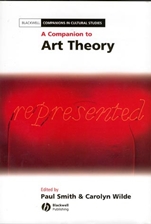
A Companion to Art Theory
ISBN 9780631207627
Autor: Paul Smith, Carolyn Wilde
Wydawca: Wiley
Dostępność: 3-6 tygodni
Cena: 899,85 zł
Przed złożeniem zamówienia prosimy o kontakt mailowy celem potwierdzenia ceny.
ISBN13: |
9780631207627 |
ISBN10: |
0631207627 |
Autor: |
Paul Smith, Carolyn Wilde |
Oprawa: |
Hardback |
Rok Wydania: |
2002-07-05 |
Ilość stron: |
552 |
Wymiary: |
270x187 |
Tematy: |
AB |
This survey of art theory in the context of Western visual art consists of 41 original essays written by experts in the field. Following an extensive introduction on the formation of modern art theory, the Companion is organized chronologically so that readers can trace developments of visual art theory, from classical and medieval sources and modern conceptions of art as they have been theorized since the Renaissance, through to some current theoretical preoccupations. In addition to outlining and describing various theoretical positions, the book′s chapters articulate some assumptions that underpin them and raise more general questions about the nature of theorizing about art. In this way the Companion provides both an introduction to main themes of Western art theory and a source for critical enquiry into the purposes, possibilities and limitations of theory in the context of artistic practice. The work can also be used alongside the three Art in Theory anthologies published by Blackwell, as a further art theory resource.
Plates. Notes on Contributors. Preface. Part I: Tradition and the Academy:. Introduction: Alberti and the Formation of Modern Art Theory (Carolyn Wilde). 1. The Classical Concept of Mimesis: Göran Sörbom (University of Uppsala). 2. Medieval Art Theory: Hugh Bredin (The Queen′s University of Belfast). 3. Neoplatonist Aesthetics: Suzanne Stern–Gillet (Bolton Institute). 4. Renaissance Art Theories: François Quiviger(Warburg Institute). 5. Touch, Tactility, and the Reception of Sculpture in Early Modern Italy: Geraldine Johnson (Harvard Center for Italian Renaissance Studies). 6. The Spiritual Exercises of Leonardo Da Vinci: Robert Williams (University of California, Santa Barbara). 7. Academic Theory 1550–1800: Paul Duro(University of Rochester). 8. Rhetorical Categories of the Academy: Caroline van Eck(Free University). 9. The Picturesque and its Development: Andrew Ballantyne(University of Bath). Part II: Around Modernism:. 10. The Aesthetics of Kant and Hegel: Jason Gaiger(The Open University). . 11. E.H. Gombrich and the Tradition of Hegel : David Summers . 12. German Romanticism and French Aesthetic Theory : Wendy Mercer(University College London) . 13. Expression: Natural, Personal, Pictorial: Richard Shiff (University of Austin at Texas). 14. Reading Artists' Words: Richard Hobbs (University of Bristol). 15. Nietzsche and the Artist: Michael White (University of Bristol). 16. Wittgenstein, Description, and Adrian Stokes (on Cézanne): Paul Smith(University of Bristol). 17. Modernism and the Idea of the Avant–Garde : Paul Wood (The Open University). 18. On the Intention of Modern(ist) Art: Fred Orton (University of Leeds). 19. Anti–Art and the Concept of Art: Paul Humble (University of Central Lancashire). 20. Marcel Duchamp′s Readymades and Anti–Aesthetic Reflex: David Hopkins(University of Saint Andrews). Part III: Critical Theory and Postmodernism:. 21. Marxism and Critical Art History: David Craven . 22. Walter Benjamin and Art Theory: Howard Caygill(Goldsmiths College). 23. Bakhtin and the Visual Arts: Deborah Haynes(Montana State University). 24. Pierce′s Visuality and the Semiotics of Art: Michael Leja(School of Architecture & Planning). 25. Conceptual Art: Charles Harrison (The Open University). 26. Barthes on Art: Margaret Iversen (University of Essex). 27. Foucault and Art: Roy Boyne(University of Durham). 28. Derrida and the Parergon: Robin Marriner (Bath Spa University College). 29. Lyotard's Concept of the Sublime: René van de Vall (Maastricht University). 30. Deleuze on Francis Bacon: Ian Heywood (Leeds Metropolitan University). 31. Feminisms and Art Theory: Marsha Meskimmon (University of Loughborough). 32. Psycho–Phallus (Qu′est–ce que c′est?): Mignon Nixon (Courtauld Institute of Art). Part IV: Interpretation and the Institution of Art: . 33. The Rules of Representation: John Willats . 34. Gombrich and Psychology: Richard Woodfield(Nottingham Trent University). 35. Hermeneutics and Art Theory: Nick Davey (University of Dundee). 36. Reciprocity and Reception Theory: Michael Anne Holly (Center for Advanced Study in the Visual Arts). 37. The Paradox of Creative Interpretation in Art: Carl Hausman (Penn State University). 38. Interdiscipliniarity and Visual Culture: Charlotte Klonk (University of Warwick). 39. Against Curatorial Imperalism: Paul Crowther (University of Oxford). 40. The Institutional Theory of Art: Theory and Anti–Theory: Garry Hagberg (Bard University). Index.
Paul Smith is Chair of the History of Art department at the University of Warwick. His previous publications include Impressionism: Beneath the Surface (1995), Interpreting Cézanne (1996) and Seurat and the Avant–Garde (1997). Carolyn Wilde is now retired and was formerly Senior Lecturer in Philosophy at the University of Bristol. Her publications include articles on philosophical aesthetics, the most recent of which is ′Style and Value in the Art of Painting′ in Richard Wollheim on the Art of Painting , edited by Rob van Gerwen, 2001.
Koszyk
Książek w koszyku: 0 szt.
Wartość zakupów: 0,00 zł
Informacje


Kontakt
Gambit
Centrum Oprogramowania
i Szkoleń Sp. z o.o.
Al. Pokoju 29b/22-24
31-564 Kraków
Siedziba Księgarni
ul. Kordylewskiego 1
31-542 Kraków
+48 12 410 5991
+48 12 410 5987
+48 12 410 5989
Subskrypcje
Administratorem danych osobowych jest firma Gambit COiS Sp. z o.o. Na podany adres będzie wysyłany wyłącznie biuletyn informacyjny.
Autoryzacja płatności

Informacje na temat autoryzacji płatności poprzez PayU.

© Copyright 2012: GAMBIT COiS Sp. z o.o. Wszelkie prawa zastrzeżone.
Projekt i wykonanie: Alchemia Studio Reklamy