


Wydawcy
Katalog tematyczny
- Archeologia (109)
- Ekonomia, finanse, business (13704)
- Filozofia (1445)
- Historia (3040)
- Języki i językoznawstwo (2356)
- Lifestyle, hobby i rozrywka (475)
- Medycyna (9704)
- Nauki humanistyczne (4)
- Nauki o Ziemi i środowisku (2638)
- Nauki ścisłe (20412)
- Nauki społeczne (8486)
- Edukacja (229)
- Kryminologia, opieka spełeczna (284)
- Obronność (10)
- Polityka (1389)
- Psychologia (777)
- Socjologia (410)
- Społeczeństwo i kultura (187)
- Nauki techniczne (13450)
- Prawo (1696)
- Publikacje informacyjne i interdyscyplinarne (1288)
- Religia i wierzenia (917)
- Technika komputerowa (4067)
- Zdrowie, relacje międzyludzkie i rozwój osobisty (657)





Informacje szczegółowe o książce
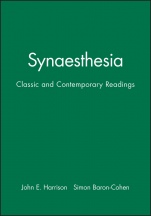
Synaesthesia: Classic and Contemporary Readings
ISBN 9780631197645
Autor: John E. Harrison, Simon Baron–Cohen
Wydawca: Wiley
Dostępność: 3-6 tygodni
Cena: 241,50 zł
Przed złożeniem zamówienia prosimy o kontakt mailowy celem potwierdzenia ceny.
ISBN13: |
9780631197645 |
ISBN10: |
0631197648 |
Autor: |
John E. Harrison, Simon Baron–Cohen |
Oprawa: |
Paperback |
Rok Wydania: |
1996-11-30 |
Ilość stron: |
296 |
Wymiary: |
229x152 |
Tematy: |
JC |
Synaesthesia is a condition in which a stimulus in one sensory modality automatically triggers a perceptual experience in another. For example, on hearing a sound, the person immediately sees a color. How does this happen? Is it a real phenomenon? Why do some people develop this condition and not others? And might synaesthesia unlock important clues about the organization of the normal brain?
This volume brings together what is known about this fascinating neurological condition. The above questions, and new issues arising from the recent wave of cognitive neuroscientific research into synaesthesia, are debated in a series of chapters by leading authorities in the field. The book will be of great interest to researchers and students in the cognitive neurosciences, and is intended to spark further investigation into this relatively neglected, extraordinary phenomenon.
Spis treści:
Part I: Background:.
1. Synaesthesia: An Introduction: John E. Harrison and Simon Baron–Cohen (Cambridge University).
2. Synaesthesia: Richard Cytowic.
Part II: Classic Papers:.
3. Extract on Synaesthesia from ′Inquiries into Human Faculty′: Sir Francis Galton.
4. On Coloured–Hearing Synaesthesia: Cross–Modal Translations of Sensory Dimensions: Lawrence Marks.
5. ′Correspondences′: Charles Baudelaire.
6. Extract from "The Mind of a Mnemonist": Alexander Luria.
Part III: Neuroscientific Perspectives:.
7. Synaesthesia: A Review of Psychological Theories: John E. Harrison and Simon Baron–Cohen (Cambridge University).
8. The Physiological Basis of Synaesthesia: Christopher D. Frith and Eraldo Paulesu (Wellcome Department of Cognitive Neurology and Institute H. San Raffaele, Milan).
9. Perception and Sensory Information in Synaesthetic Experience: Petter G. Grossenbacher (National Institute of Mental Health, Bethesda).
10. Possible Implications of Synaesthesia for th
e Hard Question of Consciousness: Jennifer Gray, Julia Nunn, Steve Williams and Simon Baron–Cohen (Institute of Psychiatry, City University, Institute of Psychiatry and Cambridge University).
11. Synaesthesia: Is a Genetic Analysis Feasible?: Mark E. S. Bailey and Keith Johnson (Both Glasgow University).
Part IV: Developmental Perspectives:.
12. Synaesthesia: Implications for Modularity of Mind: Gabriel M. A. Segal (King′s College, London).
13. Neonatal Synaesthesia: Implications for the Processing of Speech and Faces: Daphne Maurer.
14. Synaesthesia: Implications for Developmental Neurobiology: Henri Kennedy, Colette Dehay, Alexandre Batardiere and Pascal Barone (All INSERM, France).
Part V: Clinical and Personal Perspectives:.
15. Synaesthesia: Possible Mechanisms: E. M. R. Critchley (Preston Royal Infirmary).
16. Two Synaesthetes Talking Color: Alison Motluk (New Scientist).
Nota biograficzna:
Simon Baron–Cohen is Professor of Developmental Psychopathology at the University of Cambridge and Fellow at Trinity College, Cambridge. He is Director of the Autism Research Centre (ARC) in Cambridge.
John E Harrison is a Researh Associate at the University of Cambridge.
Okładka tylna:
Synaesthesia is a condition in which a stimulus in one sensory modality automatically triggers a perceptual experience in another. For example, on hearing a sound, the person immediately sees a color. How does this happen? Is it a real phenomenon? Why do some people develop this condition and not others? And might synaesthesia unlock important clues about the organization of the normal brain?
This volume brings together what is known about this fascinating neurological condition. The above questions, and new issues arising from the recent wave of cognitive neuroscientific research into synaesthesia, are debated in a series of chapters by leading authorities in the field. The b
ook will be of great interest to researchers and students in the cognitive neurosciences, and is intended to spark further investigation into this relatively neglected, extraordinary phenomenon.
Koszyk
Książek w koszyku: 0 szt.
Wartość zakupów: 0,00 zł
Informacje


Kontakt
Gambit
Centrum Oprogramowania
i Szkoleń Sp. z o.o.
Al. Pokoju 29b/22-24
31-564 Kraków
Siedziba Księgarni
ul. Kordylewskiego 1
31-542 Kraków
+48 12 410 5991
+48 12 410 5987
+48 12 410 5989
Subskrypcje
Administratorem danych osobowych jest firma Gambit COiS Sp. z o.o. Na podany adres będzie wysyłany wyłącznie biuletyn informacyjny.
Autoryzacja płatności

Informacje na temat autoryzacji płatności poprzez PayU.

© Copyright 2012: GAMBIT COiS Sp. z o.o. Wszelkie prawa zastrzeżone.
Projekt i wykonanie: Alchemia Studio Reklamy