


Wydawcy
Katalog tematyczny
- Archeologia (109)
- Ekonomia, finanse, business (13704)
- Filozofia (1445)
- Historia (3040)
- Języki i językoznawstwo (2356)
- Lifestyle, hobby i rozrywka (475)
- Medycyna (9704)
- Nauki humanistyczne (4)
- Nauki o Ziemi i środowisku (2638)
- Nauki ścisłe (20412)
- Nauki społeczne (8486)
- Edukacja (229)
- Kryminologia, opieka spełeczna (284)
- Obronność (10)
- Polityka (1389)
- Psychologia (777)
- Socjologia (410)
- Społeczeństwo i kultura (187)
- Nauki techniczne (13450)
- Prawo (1696)
- Publikacje informacyjne i interdyscyplinarne (1288)
- Religia i wierzenia (917)
- Technika komputerowa (4067)
- Zdrowie, relacje międzyludzkie i rozwój osobisty (657)





Informacje szczegółowe o książce
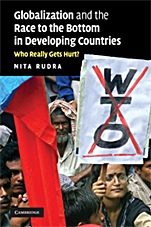
Globalization and the Race to the Bottom in Developing Countries
ISBN 9780521715034
Autor: Nita Rudra
Wydawca: Cambridge University Press
Dostępność: 3-6 tygodni
Cena: 190,05 zł
Przed złożeniem zamówienia prosimy o kontakt mailowy celem potwierdzenia ceny.
ISBN13: |
9780521715034 |
ISBN10: |
0521715032 |
Autor: |
Nita Rudra |
Oprawa: |
Paperback |
Rok Wydania: |
2008-09-25 |
Ilość stron: |
314 |
Wymiary: |
228 x 152 mm |
Tematy: |
Politics & government |
The advance of economic globalization has led many academics, policy-makers, and activists to warn that it leads to a race to the bottom.
In a world increasingly free of restrictions on trade and capital flows, developing nations that cut public services are risking detrimental effects to the populace.
Conventional wisdom suggests that it is the poorer members of these societies who stand to lose the most from these pressures on welfare protections, but this new study argues for a more complex conceptualization of the subject.
Nita Rudra demonstrates how and why domestic institutions in developing nations have historically ignored the social needs of the poor; globalization neither takes away nor advances what never existed in the first place.
It has been the lower- and upper-middle classes who have benefited the most from welfare systems and, consequently, it is they who are most vulnerable to globalization’s race to the bottom.
Spis treści:
Preface
1. Introduction
2. The race to the bottom in developing countries
3. Who really gets hurt?
4. LDC welfare states, convergence? What are the implications?
5. Globalization and the protective welfare state, case study of India
6. Globalization and the productive welfare state, case study of South Korea
7. Globalization and the dual welfare state, case study of Brazil
8. Conclusions
Appendices.
Koszyk
Książek w koszyku: 0 szt.
Wartość zakupów: 0,00 zł
Informacje


Kontakt
Gambit
Centrum Oprogramowania
i Szkoleń Sp. z o.o.
Al. Pokoju 29b/22-24
31-564 Kraków
Siedziba Księgarni
ul. Kordylewskiego 1
31-542 Kraków
+48 12 410 5991
+48 12 410 5987
+48 12 410 5989
Subskrypcje
Administratorem danych osobowych jest firma Gambit COiS Sp. z o.o. Na podany adres będzie wysyłany wyłącznie biuletyn informacyjny.
Autoryzacja płatności

Informacje na temat autoryzacji płatności poprzez PayU.

© Copyright 2012: GAMBIT COiS Sp. z o.o. Wszelkie prawa zastrzeżone.
Projekt i wykonanie: Alchemia Studio Reklamy