


Wydawcy
Katalog tematyczny
- Archeologia (109)
- Ekonomia, finanse, business (13704)
- Filozofia (1445)
- Historia (3040)
- Języki i językoznawstwo (2356)
- Lifestyle, hobby i rozrywka (475)
- Medycyna (9704)
- Nauki humanistyczne (4)
- Nauki o Ziemi i środowisku (2638)
- Nauki ścisłe (20412)
- Astronomia (294)
- Biologia (5119)
- Biochemia (575)
- Biologia człowieka (14)
- Biologia komórkowa (377)
- Biologia molekularna (398)
- Biologia rozwoju (130)
- Biologia, ogólnie (1277)
- Botanika (280)
- Hydrobiologia (92)
- Mikrobiologia (363)
- Mykologia (22)
- Zoologia (303)
- Chemia (6540)
- Fizyka (3309)
- Matematyka (4574)
- Nauki ścisłe, ogólnie (503)
- Nauki społeczne (8486)
- Nauki techniczne (13450)
- Prawo (1696)
- Publikacje informacyjne i interdyscyplinarne (1288)
- Religia i wierzenia (917)
- Technika komputerowa (4067)
- Zdrowie, relacje międzyludzkie i rozwój osobisty (657)





Informacje szczegółowe o książce
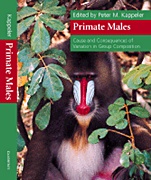
Primate Males
ISBN 9780521651196
Autor: Edited by Peter M. Kappeler
Wydawca: Cambridge University Press
Dostępność: 3-6 tygodni
Cena: 578,55 zł
Przed złożeniem zamówienia prosimy o kontakt mailowy celem potwierdzenia ceny.
ISBN13: |
9780521651196 |
ISBN10: |
0521651190 |
Autor: |
Edited by Peter M. Kappeler |
Oprawa: |
Hardback |
Rok Wydania: |
2000-05-04 |
Ilość stron: |
328 |
Wymiary: |
246 x 189 mm |
Tematy: |
Animal behaviour |
The size and composition of primate groups varies tremendously across species, within species, and within groups over time.
The most variable quantity is the number of adult males.
In some groups, single males can monopolize access to several females, whereas reproduction is shared among several males in other groups.
This variation lies at the heart of understanding adaptive variation among social systems.
Whether groups contain single or multiple males has important consequences for reproductive strategies of both sexes, and also shapes these animals’ morphology and behaviour.
Written by leading authorities, this book provides an extensive overview of variation in group composition across all major primate taxa, using up-to-date reviews, case studies, evolutionary theory and theoretical models, setting primates into context with birds and other mammals.
It will become a firm favorite with all those interested in the behavioural ecology of primates.
Spis treści:
Preface
Part I. Introduction
1. The socioecology of primate males, history and theory Peter M. Kappeler
Part II. Comparative Perspectives on Male-Female Association
2. Multi-male breeding groups in birds, ecological causes and social conflicts Nick B. Davies
3. Males in macropod society Peter Jarman
4. Social counterstrategies against infanticide by males in primates and other mammals Carel van Schaik
Part III. Variation in Male Numbers, Taxon-Level Analyses
5. Causes and consequences of unusual sex ratios in lemurs Peter M. Kappeler
6. The number of adult males in callitrichine groups and its implications for callitrichine social evolution Eckhard W. Heymann
7. From binding brotherhoods to short-term sovereignty, the betwixting dilemma of male Cebidae Karen B. Strier
8. The number of males in guenon groups Marina Cords
9. Socioecology of baboons, the interaction of male and female strategies Robert A. Barton
10. Variation in adult sex ratios of red colobus monkey social groups, implications for interspecific comparisons Thomas T. Struhsaker
11. The number of males in langur groups, monopolizability of females or demographic process? Elisabeth H. M. Sterck and Jan A. R. A. M. van Hooff
12. Costs and benefits of the one-male, age-graded and all-male phase in wild Thomas langur groups Romy Steenbeek, Elisabeth H. M. Sterck, Han de Vries and Jan A. R. A. M. van Hooff
13. Male dispersal and mating season influxes in Hanuman langurs living in multi-male groups Carola Borries
14. Rethinking monogamy, the gibbon case Volker Sommer and Ulrich Reichard
15. Causes and consequences of variation in male mountain gorilla life histories and group membership David P. Watts
Part IV. Behavioural Aspects of Male Coexistence
16. Relationships among nonhuman primate males, a deductive framework Jan A. R. A. M. van Hooff
17. Collective benefits, free-riders and male extragroup conflict Charles L. Nunn
18. Dominance, egalitarianism and stalemate, an experimental approach to male-male competition in Barbary macaques Signe Preuschoft and Andreas Paul
Part V. Evolutionary Determinants and Consequences
19. The evolution of male philopatry in neotropical monkeys Theresa Pope
20. Models of outcome and process, predicting the number of males in primate groups Jeanne Altmann
21. Why are male chimpanzees more gregarious than mothers? A scramble competition hypothesis Richard W. Wrangham
22. Male mating strategies, a modeling approach Robin I. M. Dunbar
Part VI. Conclusions
23. Understanding male primates Michael E. Pereira, Timothy H. Clutton-Brock and Peter M. Kappeler
References
Index.
Koszyk
Książek w koszyku: 0 szt.
Wartość zakupów: 0,00 zł
Informacje


Kontakt
Gambit
Centrum Oprogramowania
i Szkoleń Sp. z o.o.
Al. Pokoju 29b/22-24
31-564 Kraków
Siedziba Księgarni
ul. Kordylewskiego 1
31-542 Kraków
+48 12 410 5991
+48 12 410 5987
+48 12 410 5989
Subskrypcje
Administratorem danych osobowych jest firma Gambit COiS Sp. z o.o. Na podany adres będzie wysyłany wyłącznie biuletyn informacyjny.
Autoryzacja płatności

Informacje na temat autoryzacji płatności poprzez PayU.

© Copyright 2012: GAMBIT COiS Sp. z o.o. Wszelkie prawa zastrzeżone.
Projekt i wykonanie: Alchemia Studio Reklamy