


Wydawcy
Katalog tematyczny
- Archeologia (109)
- Ekonomia, finanse, business (13704)
- Filozofia (1445)
- Historia (3040)
- Języki i językoznawstwo (2356)
- Lifestyle, hobby i rozrywka (475)
- Medycyna (9704)
- Nauki humanistyczne (4)
- Nauki o Ziemi i środowisku (2638)
- Nauki ścisłe (20412)
- Astronomia (294)
- Biologia (5119)
- Biochemia (575)
- Biologia człowieka (14)
- Biologia komórkowa (377)
- Biologia molekularna (398)
- Biologia rozwoju (130)
- Biologia, ogólnie (1277)
- Botanika (280)
- Hydrobiologia (92)
- Mikrobiologia (363)
- Mykologia (22)
- Zoologia (303)
- Chemia (6540)
- Fizyka (3309)
- Matematyka (4574)
- Nauki ścisłe, ogólnie (503)
- Nauki społeczne (8486)
- Nauki techniczne (13450)
- Prawo (1696)
- Publikacje informacyjne i interdyscyplinarne (1288)
- Religia i wierzenia (917)
- Technika komputerowa (4067)
- Zdrowie, relacje międzyludzkie i rozwój osobisty (657)





Informacje szczegółowe o książce
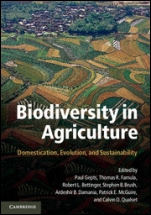
Biodiversity in Agriculture
ISBN 9780521170871
Autor: Edited by Paul Gepts , Thomas R. Famula , Robert L. Bettinger , Stephen B. Brush , Ardeshir B. Daman
Wydawca: Cambridge University Press
Dostępność: 3-6 tygodni
Cena: 351,75 zł
Przed złożeniem zamówienia prosimy o kontakt mailowy celem potwierdzenia ceny.
ISBN13: |
9780521170871 |
ISBN10: |
0521170877 |
Autor: |
Edited by Paul Gepts , Thomas R. Famula , Robert L. Bettinger , Stephen B. Brush , Ardeshir B. Daman |
Oprawa: |
Paperback |
Rok Wydania: |
2012-02-23 |
Ilość stron: |
630 |
Wymiary: |
247 x 174 mm |
Tematy: |
Animal ecology |
The introduction of plant and animal agriculture represents one of the most important milestones in human evolution.
It contributed to the development of cities, alphabets, new technologies, and ultimately to civilizations, but it has also presented a threat to both human health and the environment.
Bringing together research from a range of fields including anthropology, archaeology, ecology, economics, entomology, ethnobiology, genetics and geography, this book addresses key questions relating to agriculture.
Why did agriculture develop and where did it originate? What are the patterns of domestication for plants and animals? How did agroecosystems originate and spread from their locations of origin? Exploring the cultural aspects of the development of agricultural ecosystems, the book also highlights how these topics can be applied to our understanding of contemporary agriculture, its long-term sustainability, the co-existence of agriculture and the environment, and the development of new crops and varieties.
Spis treści:
List of contributors
Foreword Bruce D. Smith
Acknowledgments
Introduction. The domestication of plants and animals, ten unanswered questions Paul Gepts, Robert Bettinger, Stephen Brush, Ardeshir Damania, Thomas Famula, Patrick McGuire and Calvin Qualset
1. The local origins of domestication Jared Diamond
Part I. Early Steps in Agricultural Domestication
2. Evolution of agro-ecosystems, biodiversity, origins and differential development David R. Harris
3. From foraging to farming in western and eastern Asia Ofer Bar-Yosef
4. Predomestic cultivation during the late Pleistocene and early Holocene in the Northern Levant George Willcox
5. New archaeobotanical information on plant domestication from macro-remains, tracking the evolution of domestication syndrome traits Dorian Q. Fuller
6. New archaeobotanical information on early cultivation and plant domestication involving microplant remains Dolores R. Piperno
7. How and why did agriculture spread? Peter Bellwood
8. California Indian proto-agriculture, its characterization and legacy M. Kat Anderson and Eric Wohlgemuth
Part II. Domestication of Animals and Impacts on Humans
9. Pathways to animal domestication Melinda A. Zeder
10. Genetics of animal domestication Leif Andersson
11. Genome-wide approaches for the study of dog domestication Bridgett M. vonHoldt, Melissa M. Gray and Robert K. Wayne
12. Malaria and rickets represent selective forces for the convergent evolution of adult lactase persistence Loren Cordain, Mathew S. Hickley and Kami Kim
Part III. Issues in Plant Domestication
13. The dynamics of rice domestication, a balance between gene flow and genetic isolation Susan R. McCouch, Michael J. Kovach, Megan Sweeney, Hui Jiang and Mande Semon
14. Domestication of lima beans, a new look at an old problem M. I. Chacón S., J. R. Motta-Aldana, M. L. Serrano S. and D. G. Debouck
15. Genetic characterization of cassava (Manihot esculenta Crantz) and yam (Dioscorea trifida L.) landraces in swidden agriculture systems in Brazil Elizabeth A. Veasey, Eduardo A. Bressan, Marcos V. B. M. Siqueira, Aline Borges, Jurema R. Queiroz-Silva, Kayo J. C. Pereira, Gustavo H. Recchia and Lin Chau Ming
16. Pigeonpea – from an orphan to a leader in food legumes C. L. Laxmipathi Gowda, K. B. Saxena, R. K. Srivastava, H. D. Upadhyaya and S. N. Silim
Part IV. Traditional Management of Biodiversity
17. Ecological approaches to crop domestication D. B. McKey, M. Elias, B. Pujol and A. Duputié
18. Agrobiodiversity shifts on three continents since Vavilov and Harlan, assessing causes, processes and implications for food security Gary Paul Nabhan, Ken Wilson, Ogonazar Aknazarov, Karim-Aly Kassam, Laurie Monti, David Cavagnaro, Shawn Kelly, Tai Johnson and Ferrell Sekacucu
19. Indigenous peoples conserving, managing, and creating biodiversity Jan Salick
20. Land architecture in the Maya lowlands, implications for sustainability B. L. Turner II and Deborah Lawrence
21. Agrobiodiversity and water resources in agricultural landscape evolution (Andean Valley irrigation, Bolivia, 1986 to 2008) Karl S. Zimmerer
Part V. Uses of Biodiversity and New and Future Domestications
22. Participatory domestication of indigenous fruit and nut trees, new crops for sustainable agriculture in developing countries Roger R. B. Leakey
23. The introduction and dispersal of Vitis vinifera into California, a case study of the interaction of man, plants, economics, and environment James Lapsley
24. Genetic resources of yeast and other micro-organisms Charles W. Bamforth
25. Biodiversity of native bees and crop pollination with emphasis on California Robbin W. Thorp
26. Aquaculture, the next wave of domestication Dennis Hedgecock
27. Genetic sustainability and biodiversity, challenges to the California dairy industry Juan F. Medrano
Index.
Koszyk
Książek w koszyku: 0 szt.
Wartość zakupów: 0,00 zł
Informacje


Kontakt
Gambit
Centrum Oprogramowania
i Szkoleń Sp. z o.o.
Al. Pokoju 29b/22-24
31-564 Kraków
Siedziba Księgarni
ul. Kordylewskiego 1
31-542 Kraków
+48 12 410 5991
+48 12 410 5987
+48 12 410 5989
Subskrypcje
Administratorem danych osobowych jest firma Gambit COiS Sp. z o.o. Na podany adres będzie wysyłany wyłącznie biuletyn informacyjny.
Autoryzacja płatności

Informacje na temat autoryzacji płatności poprzez PayU.

© Copyright 2012: GAMBIT COiS Sp. z o.o. Wszelkie prawa zastrzeżone.
Projekt i wykonanie: Alchemia Studio Reklamy