


Wydawcy
Katalog tematyczny
- Archeologia (109)
- Ekonomia, finanse, business (13704)
- Filozofia (1445)
- Historia (3040)
- Języki i językoznawstwo (2356)
- Lifestyle, hobby i rozrywka (475)
- Medycyna (9704)
- Nauki humanistyczne (4)
- Nauki o Ziemi i środowisku (2638)
- Nauki ścisłe (20412)
- Astronomia (294)
- Biologia (5119)
- Biochemia (575)
- Biologia człowieka (14)
- Biologia komórkowa (377)
- Biologia molekularna (398)
- Biologia rozwoju (130)
- Biologia, ogólnie (1277)
- Botanika (280)
- Hydrobiologia (92)
- Mikrobiologia (363)
- Mykologia (22)
- Zoologia (303)
- Chemia (6540)
- Fizyka (3309)
- Matematyka (4574)
- Nauki ścisłe, ogólnie (503)
- Nauki społeczne (8486)
- Nauki techniczne (13450)
- Prawo (1696)
- Publikacje informacyjne i interdyscyplinarne (1288)
- Religia i wierzenia (917)
- Technika komputerowa (4067)
- Zdrowie, relacje międzyludzkie i rozwój osobisty (657)





Informacje szczegółowe o książce
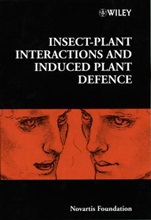
Insect–Plant Interactions and Induced Plant Defence
ISBN 9780471988151
Autor: Derek J. Chadwick, Jamie A. Goode
Wydawca: Wiley
Dostępność: 3-6 tygodni
Cena: 848,40 zł
Przed złożeniem zamówienia prosimy o kontakt mailowy celem potwierdzenia ceny.
ISBN13: |
9780471988151 |
ISBN10: |
0471988154 |
Autor: |
Derek J. Chadwick, Jamie A. Goode |
Oprawa: |
Hardback |
Rok Wydania: |
1999-07-29 |
Ilość stron: |
290 |
Wymiary: |
236x153 |
Tematy: |
PS |
Insect–Plant Interactions and Induced Plant Defence Chair: John A. Pickett 1999 This book examines the sophisticated mechanisms that plants use to defend themselves against attack by insects and pathogens, focusing on the networks of plant signalling pathways that underlie these defences. In response to herbivory, plants release a complex blend of as many as 100 volatile chemicals, known as semiochemicals (′sign chemicals′). These act as an airborne SOS signal, revealing the presence of the herbivore to the predators and parasitoids that are its natural enemies. Plants also have endogenous defence mechanisms that can be induced in response to pathogens, and separate chapters deal with systemic acquired resistance, phytoalexins, and the interacting pathways in pathogen and pest resistance. The book discusses underlying biochemical mechanisms by which plant stress leads to the biosynthesis of chemical signals from pools of secondary metabolite precursors, or even from the primary metabolism source. Finally, consideration is given to the possibilities for exploiting these signalling pathways by plant molecular genetics. The use of plant signals and their analogues to switch on defence pathways in crop plants is covered in depth. Bringing together contributions from entomologists, chemical ecologists, molecular biologists and plant physiologists this book is truly interdisciplinary, and will be essential reading for anyone with an interest in agricultural pest control.
Spis treści:
Partial table of contents:
Evolutionary Aspects of Plant–Carnivore Interactions (L. Vet).
Attraction of Parasitic Wasps by Caterpillar–Damaged Plants (T. Turlings & M. Fritzsche).
Specificity of Herbivore–Induced Plant Defences (M. Dicke).
Aphids, Predators and Parasitoids (L. Wadhams, et al.).
Functional Interactions in the Use of Direct and Indirect Defences in Native Nicotiana Plants (I. Baldwin).
Plant Produc
tion of Volatile Semiochemicals in Response to Insect–Derived Elicitors (J. Tumlinson, et al.).
The Hydroxamic Acid Pathway (A. Gierl & M. Frey).
Cross–Talk Between the Signal Pathways for Pathogen–Induced Systemic Acquired Resistance and Grazing–Induced Insect Resistance (G. Felton, et al.).
Genetics and Evolution of Insect Resistance in Arabidopsis (T. Mitchell–Olds).
Exploiting Insect Responses in Identifying Plant Signals (J. Pickett, et al.).
Final Discussion.
Indexes.
Okładka tylna:
Insect–Plant Interactions and Induced Plant Defence Chair: John A. Pickett 1999 This book examines the sophisticated mechanisms that plants use to defend themselves against attack by insects and pathogens, focusing on the networks of plant signalling pathways that underlie these defences. In response to herbivory, plants release a complex blend of as many as 100 volatile chemicals, known as semiochemicals (′sign chemicals′). These act as an airborne SOS signal, revealing the presence of the herbivore to the predators and parasitoids that are its natural enemies. Plants also have endogenous defence mechanisms that can be induced in response to pathogens, and separate chapters deal with systemic acquired resistance, phytoalexins, and the interacting pathways in pathogen and pest resistance. The book discusses underlying biochemical mechanisms by which plant stress leads to the biosynthesis of chemical signals from pools of secondary metabolite precursors, or even from the primary metabolism source. Finally, consideration is given to the possibilities for exploiting these signalling pathways by plant molecular genetics. The use of plant signals and their analogues to switch on defence pathways in crop plants is covered in depth. Bringing together contributions from entomologists, chemical ecologists, molecular biologists and plant physiologists this book is truly interdisciplinary, and will be
essential reading for anyone with an interest in agricultural pest control.
Koszyk
Książek w koszyku: 0 szt.
Wartość zakupów: 0,00 zł
Informacje


Kontakt
Gambit
Centrum Oprogramowania
i Szkoleń Sp. z o.o.
Al. Pokoju 29b/22-24
31-564 Kraków
Siedziba Księgarni
ul. Kordylewskiego 1
31-542 Kraków
+48 12 410 5991
+48 12 410 5987
+48 12 410 5989
Subskrypcje
Administratorem danych osobowych jest firma Gambit COiS Sp. z o.o. Na podany adres będzie wysyłany wyłącznie biuletyn informacyjny.
Autoryzacja płatności

Informacje na temat autoryzacji płatności poprzez PayU.

© Copyright 2012: GAMBIT COiS Sp. z o.o. Wszelkie prawa zastrzeżone.
Projekt i wykonanie: Alchemia Studio Reklamy