


Wydawcy
Katalog tematyczny
- Archeologia (109)
- Ekonomia, finanse, business (13704)
- Filozofia (1445)
- Historia (3040)
- Języki i językoznawstwo (2356)
- Lifestyle, hobby i rozrywka (475)
- Medycyna (9704)
- Chirurgia (272)
- Inne gałęzie medycyny (1871)
- Medycyna kliniczna (4187)
- Medycyna niekonwencjonalna (14)
- Medycyna przedkliniczna (269)
- Medycyna, ogólnie (1740)
- Historia medycyny (3)
- Lekarze, sprawy zawodowe (8)
- Medycyna, aspekty prawne (10)
- Służba zdrowia (36)
- Wyposażenie medyczne (157)
- Zdrowie publiczne (460)
- Medyczne służby pomocnicze (745)
- Studia medyczne (16)
- Weterynaria (548)
- Nauki humanistyczne (4)
- Nauki o Ziemi i środowisku (2638)
- Nauki ścisłe (20412)
- Nauki społeczne (8486)
- Nauki techniczne (13450)
- Prawo (1696)
- Publikacje informacyjne i interdyscyplinarne (1288)
- Religia i wierzenia (917)
- Technika komputerowa (4067)
- Zdrowie, relacje międzyludzkie i rozwój osobisty (657)





Informacje szczegółowe o książce
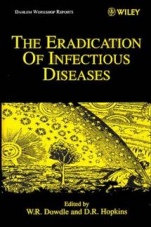
The Eradication of Infectious Diseases
ISBN 9780471980896
Autor: W. R. Dowdle, Donald Hopkins
Wydawca: Wiley
Dostępność: 3-6 tygodni
Cena: 1 624,35 zł
Przed złożeniem zamówienia prosimy o kontakt mailowy celem potwierdzenia ceny.
ISBN13: |
9780471980896 |
ISBN10: |
0471980897 |
Autor: |
W. R. Dowdle, Donald Hopkins |
Oprawa: |
Hardback |
Rok Wydania: |
1997-12-29 |
Ilość stron: |
238 |
Wymiary: |
239x163 |
Tematy: |
MBN |
In October, 1987, smallpox became the first disease of humans to have been deliberately eradicated. Since then, global eradication campaigns against dracunculiasis (Guinea worm disease) and poliomyelitis have nearly reached their goals, and initial steps have been taken to stimulate similar programs to eradicate lymphatic filariasis and measles. Other successful efforts are expected to follow these. In 1993, an International Task Force for Disease Eradication evaluated over 80 potential candidate diseases and made recommendations. However, little has been done to develop the science of eradication systematically. This book reports the findings of a multidisciplinary workshop on the eradication of infectious diseases. It reviews the history of eradication efforts and lessons from previous campaigns and distinguishes among eradication, elimination, and control programs and extinction of an etiologic agent. It addresses a wide range of related issues, including biological and socio–political criteria for eradication, costs and benefits of eradication campaigns, opportunities for strengthening primary health care in the course of eradication efforts, and other aspects of planning and implementing eradication programs. Finally, it stresses the importance of global mechanisms for formulating and implementing such programs. Goal of this Dahlem Workshop: to identify the biological/epidemiological, cost/benefit, and societal/political criteria for the eradication of infectious diseases.
Spis treści:
What Is Eradication?
(F. Fenner, et al.).
Lessons from Previous Eradication Programs (A. Hinman D. Hopkins).
The Role of Mathematical Models in Eradication of Infectious Disease (G. Medley, et al.).
Group Report: How Is Eradication to Be Defined and What Are the Biological Criteria? (E. Ottesen, et al.).
Disease Eradication Initiatives and General Health Services: Ensuring Common Principles Lead to Mutual Benefits (R. Aylward, et al.).<
br>Economic Appraisal of Eradication Programs: The Question of Infinite Benefits ( A. Acharya C. Murray).
An Economic Perspective on Programs Proposed for Eradication of Infectious Diseases (M. Gyldmark A. Alban).
Group Report: What Are the Criteria for Estimating the Costs and Benefits of Disease Eradication?
(R. Hall, et al.).
Roles for Public and Private Sectors in Eradication Programs (C. de Quadros, et al.).
Overcoming Political and Cultural Barriers to Disease Eradication (S. Foster).
Advantages and Disadvantages of Concurrent Eradication Programs (S. Cochi, et al.).
Designing Eradication Programs to Strengthen Primary Health Care (C. Taylor R. Waldman).
Group Report: What Are the Societal and Political Criteria for Eradication?
(S. Cochi, et al.).
Are There Better Global Mechanisms for Formulating, Implementing, and Evaluating Eradication Programs?
(I. Arita).
Thoughts on Organization for Disease Eradication (W. Foege).
Group Report: When and How Should Eradication Programs Be Implemented?
(R. Goodman, et al.).
Indexes.
Okładka tylna:
In October, 1987, smallpox became the first disease of humans to have been deliberately eradicated. Since then, global eradication campaigns against dracunculiasis (Guinea worm disease) and poliomyelitis have nearly reached their goals, and initial steps have been taken to stimulate similar programs to eradicate lymphatic filariasis and measles. Other successful efforts are expected to follow these. In 1993, an International Task Force for Disease Eradication evaluated over 80 potential candidate diseases and made recommendations. However, little has been done to develop the science of eradication systematically. This book reports the findings of a multidisciplinary workshop on the eradication of infectious diseases. It reviews the history of eradication efforts and lessons from previous campaigns and distinguishes among eradication, elimination, and control pro
grams and extinction of an etiologic agent. It addresses a wide range of related issues, including biological and socio–political criteria for eradication, costs and benefits of eradication campaigns, opportunities for strengthening primary health care in the course of eradication efforts, and other aspects of planning and implementing eradication programs. Finally, it stresses the importance of global mechanisms for formulating and implementing such programs. Goal of this Dahlem Workshop: to identify the biological/epidemiological, cost/benefit, and societal/political criteria for the eradication of infectious diseases.
Koszyk
Książek w koszyku: 0 szt.
Wartość zakupów: 0,00 zł
Informacje


Kontakt
Gambit
Centrum Oprogramowania
i Szkoleń Sp. z o.o.
Al. Pokoju 29b/22-24
31-564 Kraków
Siedziba Księgarni
ul. Kordylewskiego 1
31-542 Kraków
+48 12 410 5991
+48 12 410 5987
+48 12 410 5989
Subskrypcje
Administratorem danych osobowych jest firma Gambit COiS Sp. z o.o. Na podany adres będzie wysyłany wyłącznie biuletyn informacyjny.
Autoryzacja płatności

Informacje na temat autoryzacji płatności poprzez PayU.

© Copyright 2012: GAMBIT COiS Sp. z o.o. Wszelkie prawa zastrzeżone.
Projekt i wykonanie: Alchemia Studio Reklamy