


Wydawcy
Katalog tematyczny
- Archeologia (109)
- Ekonomia, finanse, business (13704)
- Filozofia (1445)
- Historia (3040)
- Języki i językoznawstwo (2356)
- Lifestyle, hobby i rozrywka (475)
- Medycyna (9704)
- Nauki humanistyczne (4)
- Nauki o Ziemi i środowisku (2638)
- Nauki ścisłe (20412)
- Astronomia (294)
- Biologia (5119)
- Chemia (6540)
- Chemia analityczna (361)
- Chemia fizyczna (346)
- Chemia nieorganiczna (137)
- Chemia organiczna (535)
- Krystalografia (27)
- Minerologia (46)
- Fizyka (3309)
- Matematyka (4574)
- Nauki ścisłe, ogólnie (503)
- Nauki społeczne (8486)
- Nauki techniczne (13450)
- Prawo (1696)
- Publikacje informacyjne i interdyscyplinarne (1288)
- Religia i wierzenia (917)
- Technika komputerowa (4067)
- Zdrowie, relacje międzyludzkie i rozwój osobisty (657)





Informacje szczegółowe o książce
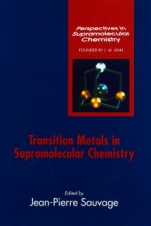
Transition Metals in Supramolecular Chemistry
ISBN 9780471976202
Autor: Jean–Pierre Sauvage
Wydawca: Wiley
Dostępność: 3-6 tygodni
Cena: 3 020,85 zł
Przed złożeniem zamówienia prosimy o kontakt mailowy celem potwierdzenia ceny.
ISBN13: |
9780471976202 |
ISBN10: |
0471976202 |
Autor: |
Jean–Pierre Sauvage |
Oprawa: |
Hardback |
Rok Wydania: |
1999-03-30 |
Ilość stron: |
426 |
Wymiary: |
238x161 |
Tematy: |
PN |
Perspectives in Supramolecular Chemistry will relate recent developments and new exciting approaches in supramolecular chemistry. In supramolecular chemistry, our aim is to understand molecular chemistry beyond the covalent bond – the series will concentrate on goal–orientated supramolecular chemistry. Perspectives in Supramolecular Chemistry will reflect research which develops supramolecular structures with specific new properties, such as recognition, transport and simulation of biosystems or new materials. The series will cover all areas from theoretical and modelling aspects through organic and inorganic chemistry and biochemistry to materials, solid–state and polymer sciences reflecting the many and varied applications of supramolecular structures in modern chemistry. Transition Metals in Supramolecular Chemistry Edited by Jean–Pierre Sauvage, Université Louis Pasteur, Strasbourg, France The chemistry of weak forces and non–covalent interactions as pioneered by Pedersen, Lehn and Cram is considered to be the origin of modern supramolecular chemistry. 30 years ago transition metals and their complexes were not regarded as important to this science. Transition Metals in Supramolecular Chemistry clearly demonstrates that today, transition metal complexes are routinely used to build large multicomponent architectures which display new and exciting applications including molecular switches, liquid crystals, and molecular magnets. Contents
∗ Ligand and Metal Control of Self–Assembly in Supramolecular Chemistry
∗ Bistability in Iron (II) Spin–Crossover Systems: A Supramolecular Function
∗ Luminescent Sensors with and for Transition Metals
∗ The Chirality of Polynuclear Transition Metal Complexes
∗ Design and Serendipity in the Synthesis of Polynuclear Compounds of the 3d–metals
∗ Rotaxanes: From Random to Transition Metal–Templated Threading of Rings at t
he Molecular Level
∗ Metallomesogens – Supramolecular Organisation of Metal Complexes in Fluid Phases
∗ Self–Assembly of Interlocked Structures with Cucurbituril Metal Ions and Metal Complexes
Reflecting contemporary science, Transition Metals in Supramolecular Chemistry will inspire scientists and students interested in coordination chemistry, magnetochemistry, molecular sensors and switches, liquid crystals and artificial systems.
Spis treści:
Ligand and Metal Control of Self–Assembly in Supramolecular Chemistry (R. Saalfrank B. Demleitner).
Bistability in Iron (II) Spin–Crossover Systems: A Supramolecular Function (J. Real).
Fluorescent Sensors for and with Transition Metals (L. Fabbrizzi, et al.).
The Chirality of Polynuclear Transition Metal Complexes (C. Provent A. Williams).
Design and Serendipity in the Synthesis of Polymetallic Complexes of the 3d–Metals (R. Winpenny).
Rotaxanes: From Random to Transition Metal–Templated Threading of Rings at the Molecular Level (J.–C.
Chambron).
Metallomesogens––Supramolecular Organization of Metal Complexes in Fluid Phases (S. Collinson D.
Bruce).
Self–Assembly of Interlocked Structures with Cucurbituril, Metal Ions and Metal Complexes (K. Kim).
Indexes.
Okładka tylna:
Perspectives in Supramolecular Chemistry will relate recent developments and new exciting approaches in supramolecular chemistry. In supramolecular chemistry, our aim is to understand molecular chemistry beyond the covalent bond – the series will concentrate on goal–orientated supramolecular chemistry. Perspectives in Supramolecular Chemistry will reflect research which develops supramolecular structures with specific new properties, such as recognition, transport and simulation of biosystems or new materials. The series will cover all areas from theoretical and modelling aspects through orga
nic and inorganic chemistry and biochemistry to materials, solid–state and polymer sciences reflecting the many and varied applications of supramolecular structures in modern chemistry. Transition Metals in Supramolecular Chemistry Edited by Jean–Pierre Sauvage, Université Louis Pasteur, Strasbourg, France The chemistry of weak forces and non–covalent interactions as pioneered by Pedersen, Lehn and Cram is considered to be the origin of modern supramolecular chemistry. 30 years ago transition metals and their complexes were not regarded as important to this science. Transition Metals in Supramolecular Chemistry clearly demonstrates that today, transition metal complexes are routinely used to build large multicomponent architectures which display new and exciting applications including molecular switches, liquid crystals, and molecular magnets. Contents
∗ Ligand and Metal Control of Self–Assembly in Supramolecular Chemistry
∗ Bistability in Iron (II) Spin–Crossover Systems: A Supramolecular Function
∗ Luminescent Sensors with and for Transition Metals
∗ The Chirality of Polynuclear Transition Metal Complexes
∗ Design and Serendipity in the Synthesis of Polynuclear Compounds of the 3d–metals
∗ Rotaxanes: From Random to Transition Metal–Templated Threading of Rings at the Molecular Level
∗ Metallomesogens – Supramolecular Organisation of Metal Complexes in Fluid Phases
∗ Self–Assembly of Interlocked Structures with Cucurbituril Metal Ions and Metal Complexes
Reflecting contemporary science, Transition Metals in Supramolecular Chemistry will inspire scientists and students interested in coordination chemistry, magnetochemistry, molecular sensors and switches, liquid crystals and artificial systems.
Koszyk
Książek w koszyku: 0 szt.
Wartość zakupów: 0,00 zł
Informacje


Kontakt
Gambit
Centrum Oprogramowania
i Szkoleń Sp. z o.o.
Al. Pokoju 29b/22-24
31-564 Kraków
Siedziba Księgarni
ul. Kordylewskiego 1
31-542 Kraków
+48 12 410 5991
+48 12 410 5987
+48 12 410 5989
Subskrypcje
Administratorem danych osobowych jest firma Gambit COiS Sp. z o.o. Na podany adres będzie wysyłany wyłącznie biuletyn informacyjny.
Autoryzacja płatności

Informacje na temat autoryzacji płatności poprzez PayU.

© Copyright 2012: GAMBIT COiS Sp. z o.o. Wszelkie prawa zastrzeżone.
Projekt i wykonanie: Alchemia Studio Reklamy