


Wydawcy
Katalog tematyczny
- Archeologia (109)
- Ekonomia, finanse, business (13704)
- Filozofia (1445)
- Historia (3040)
- Języki i językoznawstwo (2356)
- Lifestyle, hobby i rozrywka (475)
- Medycyna (9704)
- Chirurgia (272)
- Inne gałęzie medycyny (1871)
- Medycyna kliniczna (4187)
- Choroby wewnętrzne (514)
- Dermatologia (51)
- Diagnostyka medyczna (3)
- Endokrynologia (144)
- Gastroenterologia (27)
- Geriatria (50)
- Ginekologia i położnictwo (134)
- Hematologia (46)
- Hepatologia (10)
- Kardiologia (71)
- Laryngologia (12)
- Nefrologia (10)
- Neurologia (500)
- Oftalmologia (50)
- Pediatria (33)
- Pulmunologia (32)
- Reumatologia (14)
- Terapia genowa (1)
- Układ mięśniowo-szkieletowy (1)
- Urologia (14)
- Medycyna niekonwencjonalna (14)
- Medycyna przedkliniczna (269)
- Medycyna, ogólnie (1740)
- Medyczne służby pomocnicze (745)
- Studia medyczne (16)
- Weterynaria (548)
- Nauki humanistyczne (4)
- Nauki o Ziemi i środowisku (2638)
- Nauki ścisłe (20412)
- Nauki społeczne (8486)
- Nauki techniczne (13450)
- Prawo (1696)
- Publikacje informacyjne i interdyscyplinarne (1288)
- Religia i wierzenia (917)
- Technika komputerowa (4067)
- Zdrowie, relacje międzyludzkie i rozwój osobisty (657)







Informacje szczegółowe o książce
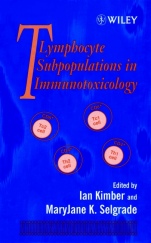
T Lymphocytes Subpopulations in Immunotoxicology
ISBN 9780471971948
Autor: Ian Kimber, MaryJane K. Selgrade
Wydawca: Wiley
Dostępność: 3-6 tygodni
Cena: 1 557,15 zł
Przed złożeniem zamówienia prosimy o kontakt mailowy celem potwierdzenia ceny.
ISBN13: |
9780471971948 |
ISBN10: |
0471971944 |
Autor: |
Ian Kimber, MaryJane K. Selgrade |
Oprawa: |
Hardback |
Rok Wydania: |
1998-04-23 |
Ilość stron: |
312 |
Wymiary: |
237x163 |
Tematy: |
MJ |
T Lymphocyte Subpopulations in Immunotoxicology Edited by Ian Kimber ZENECA Pharmaceuticals, Central Toxicology Laboratory, Macclesfield, Cheshire, UK and Mary Jane K. Selgrade US Environmental Protection Agency, National Health and Environmental Effects Research Laboratory, NC, USA Immunotoxicology is a diverse discipline that embraces the investigation of the adverse health effects that may result from the interaction of xenobiotics with the immune system. T lymphocytes orchestrate adaptive immune responses and are of central importance in the consideration of immunotoxicity. These cells and/or the tissue responsible for their functional maturation (the thymus) have been implicated as the primary or secondary targets for chemical insult. Moreover, T lymphocytes play pivotal roles in the induction and elicitation of chemical and protein allergy and in the pathogenesis of autoimmune disease. Classically, T lymphocytes have been divided into two main populations: CD4 helper T cells and CD8 suppressor/cytotoxic T cells. It is now apparent that there exists within both populations considerable functional heterogeneity, characterized usually by variable cytokine secretion patterns. Two major subpopulations of T helper (Th) cells have been identified and designated Th1 and Th2, with similar, but less well characterized, sub–types of cytotoxic (Tc) cells having been described also. The discovery of functional subpopulations of Th (and Tc) cells has profoundly influenced our view of the immune response and, in particular, our appreciation of the way in which the immune system can tailor responses to meet challenges of different types. This has also translated into a much more detailed understanding of certain immunopathologic processes and the role of T lymphocytes in the development of allergic, autoimmune and inflammatory diseases. This book explores the role of T lymphocyte subpopulations in the development and expression of immunotoxic effects. Constituent chapt
ers reveal that a consideration of the impact of chemicals on these diverse T cell populations and the polarization of T cell responses has already contributed greatly to our understanding of the mechanisms underlying immunotoxicity, including immune suppression and allergic and autoimmune responses.
Spis treści:
T Lymphocyte Subpopulations in Immunotoxicology: An Introduction (I. Kimber & M. Selgrade).
Functional Subpopulations of CD4¯+ T Lymphocytes (L. Krishnan & T. Mosmann).
Functional Subpopulations of CD8¯+ T Lymphocytes (D. Kemeny, et al.).
T Lymphocyte Subpopulations and TCDD Immunotoxicity (N. Kerkvliet).
T Lymphocyte Subpopulations and Immunotoxicology of Drugs of Abuse (M. Holsapple, et al.).
Oxidative Stress and Heavy Metal Modification of T Lymphocyte Subsets (J. Krieger, et al.).
The Effect of UV Exposure on the Activation of T–Cell Subsets (S. Ullrich).
T Helper Cell Clones and In Vitro Assessment of Immunotoxicity (B. Lawrence & N. Kerkvliet).
Influence of the Sympathetic Nervous System on T Helper Cell Function (V. Sanders, et al.).
Endocrine Regulation of T Lymphocyte Subpopulations (G. Rook, et al.).
T Lymphocyte Subpopulations and Immune Responses to Chemical Allergens (I. Kimber & R. Dearman).
T Lymphocyte Subpopulations in Human Allergic Disease (M. Schuyler & J. Wilder).
Modulation of T Lymphocyte Responses by Air Pollutants (M. Gilmour & M. Selgrade).
T Lymphocyte Subpopulations in Autoimmune Responses to Chemicals and Drugs (D. Oliveira & J. Coleman).
Index.
Okładka tylna:
T Lymphocyte Subpopulations in Immunotoxicology Edited by Ian Kimber ZENECA Pharmaceuticals, Central Toxicology Laboratory, Macclesfield, Cheshire, UK and Mary Jane K. Selgrade US Environmental Protection Agency, National Health and Environmental Effects Research Laboratory, NC, USA Immunotoxicology is a diverse discipline that embraces the inv
estigation of the adverse health effects that may result from the interaction of xenobiotics with the immune system. T lymphocytes orchestrate adaptive immune responses and are of central importance in the consideration of immunotoxicity. These cells and/or the tissue responsible for their functional maturation (the thymus) have been implicated as the primary or secondary targets for chemical insult. Moreover, T lymphocytes play pivotal roles in the induction and elicitation of chemical and protein allergy and in the pathogenesis of autoimmune disease. Classically, T lymphocytes have been divided into two main populations: CD4 helper T cells and CD8 suppressor/cytotoxic T cells. It is now apparent that there exists within both populations considerable functional heterogeneity, characterized usually by variable cytokine secretion patterns. Two major subpopulations of T helper (Th) cells have been identified and designated Th1 and Th2, with similar, but less well characterized, sub–types of cytotoxic (Tc) cells having been described also. The discovery of functional subpopulations of Th (and Tc) cells has profoundly influenced our view of the immune response and, in particular, our appreciation of the way in which the immune system can tailor responses to meet challenges of different types. This has also translated into a much more detailed understanding of certain immunopathologic processes and the role of T lymphocytes in the development of allergic, autoimmune and inflammatory diseases. This book explores the role of T lymphocyte subpopulations in the development and expression of immunotoxic effects. Constituent chapters reveal that a consideration of the impact of chemicals on these diverse T cell populations and the polarization of T cell responses has already contributed greatly to our understanding of the mechanisms underlying immunotoxicity, including immune suppression and allergic and autoimmune responses.
Koszyk
Książek w koszyku: 0 szt.
Wartość zakupów: 0,00 zł
Informacje


Kontakt
Gambit
Centrum Oprogramowania
i Szkoleń Sp. z o.o.
Al. Pokoju 29b/22-24
31-564 Kraków
Siedziba Księgarni
ul. Kordylewskiego 1
31-542 Kraków
+48 12 410 5991
+48 12 410 5987
+48 12 410 5989
Subskrypcje
Administratorem danych osobowych jest firma Gambit COiS Sp. z o.o. Na podany adres będzie wysyłany wyłącznie biuletyn informacyjny.
Autoryzacja płatności

Informacje na temat autoryzacji płatności poprzez PayU.

© Copyright 2012: GAMBIT COiS Sp. z o.o. Wszelkie prawa zastrzeżone.
Projekt i wykonanie: Alchemia Studio Reklamy