


Wydawcy
Katalog tematyczny
- Archeologia (109)
- Ekonomia, finanse, business (13704)
- Filozofia (1445)
- Historia (3040)
- Języki i językoznawstwo (2356)
- Lifestyle, hobby i rozrywka (475)
- Medycyna (9704)
- Nauki humanistyczne (4)
- Nauki o Ziemi i środowisku (2638)
- Nauki ścisłe (20412)
- Nauki społeczne (8486)
- Edukacja (229)
- Kryminologia, opieka spełeczna (284)
- Obronność (10)
- Polityka (1389)
- Psychologia (777)
- Socjologia (410)
- Społeczeństwo i kultura (187)
- Nauki techniczne (13450)
- Prawo (1696)
- Publikacje informacyjne i interdyscyplinarne (1288)
- Religia i wierzenia (917)
- Technika komputerowa (4067)
- Zdrowie, relacje międzyludzkie i rozwój osobisty (657)





Informacje szczegółowe o książce
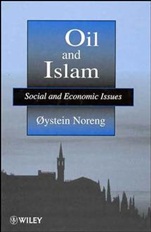
Oil and Islam: Social and Economic Issues
ISBN 9780471971535
Autor: Oæstein Noreng
Wydawca: Wiley
Dostępność: 3-6 tygodni
Cena: 1 123,50 zł
Przed złożeniem zamówienia prosimy o kontakt mailowy celem potwierdzenia ceny.
ISBN13: |
9780471971535 |
ISBN10: |
0471971537 |
Autor: |
Oæstein Noreng |
Oprawa: |
Hardback |
Rok Wydania: |
1997-06-13 |
Ilość stron: |
352 |
Wymiary: |
239x161 |
Tematy: |
JB |
During the 1970s and early 1980s, the Middle East and North Africa were perceived as being exceptionally successful, but now the region is viewed as a resounding economic and social failure. Islam is not only a religion, but also a political and social project. A major pretext of this work is to demonstrate how the tensions within Islamic movements feed directly into the economic, social, political, historical and religious arena of the region, and vice versa. An introductory chapter sets the context of the book. The core chapters of the book comprise an in–depth examination of the varied forms of oil revenue abuse. For examples, the past mismanagement of the tremendous wealth provided by oil. Following Islamic beliefs, revenue from oil should not finance wasteful consumption, but used instead for public welfare. Abstaining from interest calculations, there should be a case for keeping more oil in the ground. Indeed, oil has also stifled industrial development, and with declining oil revenues, the conflict between civilian and military priorities intensifies. While western interests have promoted arms spending, high population–growth expenditure reinforces the reality of the count–down to the post–oil era upon the Middle Eastern and North African oil exporters. So far the governments seem unwilling or unable to adapt and react. Furthermore, in the past oil has been used as a substitute for democracy. While the large oil revenues of the 1970s and early 1980s strengthened the position of autocratic rulers and weakened the private sector,repressive regimes have made Islam a source of criticism and opposition for the Western world. Following on from this, the book then looks forward to the problem of uniting the divergent interests in the spheres of oil and Islam into a cohesive whole. The book proposes that ideally Islamic governments would synchronise the depletion of oil reserves with investment in new productive assets. Islamic governments c
ould also find ways to combine private, domestic and foreign interests in the oil industry. The main readership for this book will be policy–makers and professionals involved in development issues for Middle Eastern and North African affairs, and those with an interest in oil politics and Islamic studies.
Spis treści:
The Social Promise of Islam.
Merchants and Soldiers in Islamic Society.
Oil and Islamic Economic Principles.
Oil and Muslim Societies.
Rentier States Under Pressure.
Islamism as a Social Protest and a National Assertion.
Islamism and Oil Policy.
References.
Index.
Okładka tylna:
During the 1970s and early 1980s, the Middle East and North Africa were perceived as being exceptionally successful, but now the region is viewed as a resounding economic and social failure. Islam is not only a religion, but also a political and social project. A major pretext of this work is to demonstrate how the tensions within Islamic movements feed directly into the economic, social, political, historical and religious arena of the region, and vice versa. An introductory chapter sets the context of the book. The core chapters of the book comprise an in–depth examination of the varied forms of oil revenue abuse. For examples, the past mismanagement of the tremendous wealth provided by oil. Following Islamic beliefs, revenue from oil should not finance wasteful consumption, but used instead for public welfare. Abstaining from interest calculations, there should be a case for keeping more oil in the ground. Indeed, oil has also stifled industrial development, and with declining oil revenues, the conflict between civilian and military priorities intensifies. While western interests have promoted arms spending, high population–growth expenditure reinforces the reality of the count–down to the post–oil era upon the Middle Eastern and North African oil exporters. So far the governme
nts seem unwilling or unable to adapt and react. Furthermore, in the past oil has been used as a substitute for democracy. While the large oil revenues of the 1970s and early 1980s strengthened the position of autocratic rulers and weakened the private sector,repressive regimes have made Islam a source of criticism and opposition for the Western world. Following on from this, the book then looks forward to the problem of uniting the divergent interests in the spheres of oil and Islam into a cohesive whole. The book proposes that ideally Islamic governments would synchronise the depletion of oil reserves with investment in new productive assets. Islamic governments could also find ways to combine private, domestic and foreign interests in the oil industry. The main readership for this book will be policy–makers and professionals involved in development issues for Middle Eastern and North African affairs, and those with an interest in oil politics and Islamic studies.
Koszyk
Książek w koszyku: 0 szt.
Wartość zakupów: 0,00 zł
Informacje


Kontakt
Gambit
Centrum Oprogramowania
i Szkoleń Sp. z o.o.
Al. Pokoju 29b/22-24
31-564 Kraków
Siedziba Księgarni
ul. Kordylewskiego 1
31-542 Kraków
+48 12 410 5991
+48 12 410 5987
+48 12 410 5989
Subskrypcje
Administratorem danych osobowych jest firma Gambit COiS Sp. z o.o. Na podany adres będzie wysyłany wyłącznie biuletyn informacyjny.
Autoryzacja płatności

Informacje na temat autoryzacji płatności poprzez PayU.

© Copyright 2012: GAMBIT COiS Sp. z o.o. Wszelkie prawa zastrzeżone.
Projekt i wykonanie: Alchemia Studio Reklamy