


Wydawcy
Katalog tematyczny
- Archeologia (109)
- Ekonomia, finanse, business (13704)
- Filozofia (1445)
- Historia (3040)
- Języki i językoznawstwo (2356)
- Lifestyle, hobby i rozrywka (475)
- Medycyna (9704)
- Nauki humanistyczne (4)
- Nauki o Ziemi i środowisku (2638)
- Nauki ścisłe (20412)
- Nauki społeczne (8486)
- Edukacja (229)
- Kryminologia, opieka spełeczna (284)
- Obronność (10)
- Polityka (1389)
- Psychologia (777)
- Socjologia (410)
- Społeczeństwo i kultura (187)
- Nauki techniczne (13450)
- Prawo (1696)
- Publikacje informacyjne i interdyscyplinarne (1288)
- Religia i wierzenia (917)
- Technika komputerowa (4067)
- Zdrowie, relacje międzyludzkie i rozwój osobisty (657)





Informacje szczegółowe o książce
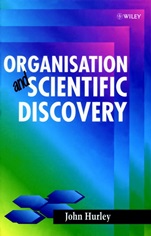
Organisation and Scientific Discovery
ISBN 9780471969631
Autor: John Hurley
Wydawca: Wiley
Dostępność: 3-6 tygodni
Cena: 938,70 zł
Przed złożeniem zamówienia prosimy o kontakt mailowy celem potwierdzenia ceny.
ISBN13: |
9780471969631 |
ISBN10: |
047196963X |
Autor: |
John Hurley |
Oprawa: |
Hardback |
Rok Wydania: |
1997-01-14 |
Ilość stron: |
186 |
Wymiary: |
237x160 |
Tematy: |
JC |
Organisation and Scientific Discovery John Hurley Professor of Organisational Psychology at Dublin City University, Ireland What factors other than creativity lead to discoveries in science? Of the five million scientists worldwide, few are directly involved in significant discovery. It is perhaps surprising that no models or guidelines exist for people responsible for scientific research projects that are directed towards discovery. They and their colleagues would no doubt welcome help in structuring and managing their exploration. This book seeks a way forward. Research into the creative process has always far exceeded the attention given to organisational factors. Yet resources such as money, colleagues, technicians, library and equipment all have a major bearing on the likelihood of discovery. In this revealing study, the author worked with 16 Nobel laureates, each completing two interviews and four questionnaires on the subject of organisation. Drawing on his background in organisational psychology, the author here interprets and explores the results. Professor Hurley shows how the chances of discovery can be increased, contributing to the quality of future scientific research. He proposes a model of the workings of research organisations and groups – to guide experimental research, to test the theory and to establish the parameters of organisation in relation to discovery. A major theme of the book is that organisations play a central role in facilitating or inhibiting discovery in science. The contribution to discovery in science of such organisational matters as the selection of scientists, their development and training, scientific leadership, management and supervision are all explored in this book, and important questions raised about the relationship between individual scientists and the laboratories in which they work.
Spis treści:
Discovery and Organisation in Science.
Method, Organisation and Philosophy in Discovery.
The Importance of the Individual in Science.
The Eminent Scientists and Their Organisations.
Organisational Aspects of Freedom and Chance in Relation to Discovery.
Some Considerations on the Organisation of Discovery–Related Science.
The Discovery Zone.
References.
Appendices.
Index.
Okładka tylna:
Organisation and Scientific Discovery John Hurley Professor of Organisational Psychology at Dublin City University, Ireland What factors other than creativity lead to discoveries in science? Of the five million scientists worldwide, few are directly involved in significant discovery. It is perhaps surprising that no models or guidelines exist for people responsible for scientific research projects that are directed towards discovery. They and their colleagues would no doubt welcome help in structuring and managing their exploration. This book seeks a way forward. Research into the creative process has always far exceeded the attention given to organisational factors. Yet resources such as money, colleagues, technicians, library and equipment all have a major bearing on the likelihood of discovery. In this revealing study, the author worked with 16 Nobel laureates, each completing two interviews and four questionnaires on the subject of organisation. Drawing on his background in organisational psychology, the author here interprets and explores the results. Professor Hurley shows how the chances of discovery can be increased, contributing to the quality of future scientific research. He proposes a model of the workings of research organisations and groups – to guide experimental research, to test the theory and to establish the parameters of organisation in relation to discovery. A major theme of the book is that organisations play a central role in facilitating or inhibiting discovery in science. The contribution to discovery in science of such organisational matters as the selection of scientists, their development
and training, scientific leadership, management and supervision are all explored in this book, and important questions raised about the relationship between individual scientists and the laboratories in which they work.
Koszyk
Książek w koszyku: 0 szt.
Wartość zakupów: 0,00 zł
Informacje


Kontakt
Gambit
Centrum Oprogramowania
i Szkoleń Sp. z o.o.
Al. Pokoju 29b/22-24
31-564 Kraków
Siedziba Księgarni
ul. Kordylewskiego 1
31-542 Kraków
+48 12 410 5991
+48 12 410 5987
+48 12 410 5989
Subskrypcje
Administratorem danych osobowych jest firma Gambit COiS Sp. z o.o. Na podany adres będzie wysyłany wyłącznie biuletyn informacyjny.
Autoryzacja płatności

Informacje na temat autoryzacji płatności poprzez PayU.

© Copyright 2012: GAMBIT COiS Sp. z o.o. Wszelkie prawa zastrzeżone.
Projekt i wykonanie: Alchemia Studio Reklamy