


Wydawcy
Katalog tematyczny
- Archeologia (109)
- Ekonomia, finanse, business (13704)
- Filozofia (1445)
- Historia (3040)
- Języki i językoznawstwo (2356)
- Lifestyle, hobby i rozrywka (475)
- Medycyna (9704)
- Nauki humanistyczne (4)
- Nauki o Ziemi i środowisku (2638)
- Nauki ścisłe (20412)
- Nauki społeczne (8486)
- Nauki techniczne (13450)
- Prawo (1696)
- Publikacje informacyjne i interdyscyplinarne (1288)
- Religia i wierzenia (917)
- Technika komputerowa (4067)
- Zdrowie, relacje międzyludzkie i rozwój osobisty (657)





Informacje szczegółowe o książce
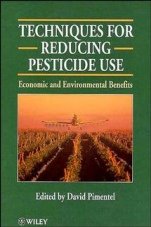
Techniques for Reducing Pesticide Use: Economic and Environmental Benefits
ISBN 9780471968382
Autor: David Pimentel
Wydawca: Wiley
Dostępność: 3-6 tygodni
Cena: 1 393,35 zł
Przed złożeniem zamówienia prosimy o kontakt mailowy celem potwierdzenia ceny.
ISBN13: |
9780471968382 |
ISBN10: |
0471968382 |
Autor: |
David Pimentel |
Oprawa: |
Hardback |
Rok Wydania: |
1997-02-20 |
Ilość stron: |
456 |
Wymiary: |
243x173 |
Tematy: |
KNAC |
Techniques for Reducing Pesticide Use Economic and Environmental Benefits Edited by David Pimentel Cornell University, USA Pest insects, plant pathogens, and weeds destroy approximately 40% of all potential food production worldwide. This major food loss occurs despite the application of 2.5 million tons of pesticides at a cost of more than $25 billion each year. Pesticides provide many important benefits in pest control, returning about $4 for every $1 invested. However, this cost/benefit ratio does not include the annual environmental and public health costs of using pesticides which include 3 million human poisonings and 220,000 deaths annually worldwide. With more than 2 billion people malnourished in the world, a major effort is required to reduce the continuing 40% loss of crops to pests. With a relatively small investment in research and extension, this crop destruction can be reduced. Technologies now exist to reduce pesticide use by at least 50%, without reducing crop yields or substantially altering the ′cosmetic standards′ of fresh fruit and vegetables. Reducing pesticide use will lower the economic costs of pest control, protect public health, and improve the stability of the natural environment. The various pest management techniques available are discussed in all chapters of this book. It will help governmental leaders, scientists and the public to understand that many strategies, if implemented, will improve pest management, maintain crop yields, and reduce pesticide use.
Spis treści:
Partial table of contents:
Pest Management in Agriculture (D. Pimentel).
Environmental Ethics and Pesticide Use (H. Lehman).
Environmental and Socio–Economic Costs of Pesticide Use (D. Pimentel & A. Greiner).
Host–Plant Resistance to Insect Pests (H. van Emden).
What is Durable Resistance?
A General Outline (J. Parlevliet).
Benefits of Minimum Pesticide Use in Insect and Mite Control in Orchards (T.
Edland).
IPM Practices for Reducing Fungicide Use in Field Crops (K. Bailey).
IPM Techniques for Greenhouse Crops (J. Grant).
Index.
Okładka tylna:
Techniques for Reducing Pesticide Use Economic and Environmental Benefits Edited by David Pimentel Cornell University, USA Pest insects, plant pathogens, and weeds destroy approximately 40% of all potential food production worldwide. This major food loss occurs despite the application of 2.5 million tons of pesticides at a cost of more than $25 billion each year. Pesticides provide many important benefits in pest control, returning about $4 for every $1 invested. However, this cost/benefit ratio does not include the annual environmental and public health costs of using pesticides which include 3 million human poisonings and 220,000 deaths annually worldwide. With more than 2 billion people malnourished in the world, a major effort is required to reduce the continuing 40% loss of crops to pests. With a relatively small investment in research and extension, this crop destruction can be reduced. Technologies now exist to reduce pesticide use by at least 50%, without reducing crop yields or substantially altering the ′cosmetic standards′ of fresh fruit and vegetables. Reducing pesticide use will lower the economic costs of pest control, protect public health, and improve the stability of the natural environment. The various pest management techniques available are discussed in all chapters of this book. It will help governmental leaders, scientists and the public to understand that many strategies, if implemented, will improve pest management, maintain crop yields, and reduce pesticide use.
Koszyk
Książek w koszyku: 0 szt.
Wartość zakupów: 0,00 zł
Informacje


Kontakt
Gambit
Centrum Oprogramowania
i Szkoleń Sp. z o.o.
Al. Pokoju 29b/22-24
31-564 Kraków
Siedziba Księgarni
ul. Kordylewskiego 1
31-542 Kraków
+48 12 410 5991
+48 12 410 5987
+48 12 410 5989
Subskrypcje
Administratorem danych osobowych jest firma Gambit COiS Sp. z o.o. Na podany adres będzie wysyłany wyłącznie biuletyn informacyjny.
Autoryzacja płatności

Informacje na temat autoryzacji płatności poprzez PayU.

© Copyright 2012: GAMBIT COiS Sp. z o.o. Wszelkie prawa zastrzeżone.
Projekt i wykonanie: Alchemia Studio Reklamy