


Wydawcy
Katalog tematyczny
- Archeologia (109)
- Ekonomia, finanse, business (13704)
- Filozofia (1445)
- Historia (3040)
- Języki i językoznawstwo (2356)
- Lifestyle, hobby i rozrywka (475)
- Medycyna (9704)
- Nauki humanistyczne (4)
- Nauki o Ziemi i środowisku (2638)
- Nauki ścisłe (20412)
- Astronomia (294)
- Biologia (5119)
- Chemia (6540)
- Fizyka (3309)
- Elektryczność i magnetyzm (90)
- Fizyka atomowa i molekularna (110)
- Fizyka cząstek elementarnych (36)
- Fizyka jądra atomowego (36)
- Fizyka kwantowa (210)
- Fizyka matematyczna (121)
- Fizyka relatywistyczna (36)
- Fizyka statystyczna (51)
- Fizyka stosowana (498)
- Mechanika klasyczna (186)
- Optyka i światło (133)
- Stany materii (202)
- Matematyka (4574)
- Nauki ścisłe, ogólnie (503)
- Nauki społeczne (8486)
- Nauki techniczne (13450)
- Prawo (1696)
- Publikacje informacyjne i interdyscyplinarne (1288)
- Religia i wierzenia (917)
- Technika komputerowa (4067)
- Zdrowie, relacje międzyludzkie i rozwój osobisty (657)





Informacje szczegółowe o książce
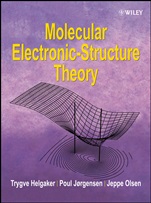
Molecular Electronic–Structure Theory
ISBN 9780471967552
Autor: Trygve Helgaker, Poul Jorgensen, Jeppe Olsen
Wydawca: Wiley
Dostępność: 3-6 tygodni
Cena: 2 680,65 zł
Przed złożeniem zamówienia prosimy o kontakt mailowy celem potwierdzenia ceny.
ISBN13: |
9780471967552 |
ISBN10: |
0471967556 |
Autor: |
Trygve Helgaker, Poul Jorgensen, Jeppe Olsen |
Oprawa: |
Hardback |
Rok Wydania: |
2000-08-11 |
Ilość stron: |
938 |
Wymiary: |
256x200 |
Tematy: |
PH |
Ab initio quantum chemistry has emerged as an important tool in chemical research and is appliced to a wide variety of problems in chemistry and molecular physics. Recent developments of computational methods have enabled previously intractable chemical problems to be solved using rigorous quantum–mechanical methods.
This is the first comprehensive, up–to–date and technical work to cover all the important aspects of modern molecular electronic–structure theory. Topics covered in the book include:
∗ Second quantization with spin adaptation
∗ Gaussian basis sets and molecular–integral evaluation
∗ Hartree–Fock theory
∗ Configuration–interaction and multi–configurational self–consistent theory
∗ Coupled–cluster theory for ground and excited states
∗ Perturbation theory for single– and multi–configurational states
∗ Linear–scaling techniques and the fast multipole method
∗ Explicity correlated wave functions
∗ Basis–set convergence and extrapolation
∗ Calibration and benchmarking of computational methods, with applications to moelcular equilibrium structure, atomization energies and reaction enthalpies.
Molecular Electronic–Structure Theory makes extensive use of numerical examples, designed to illustrate the strengths and weaknesses of each method treated. In addition, statements about the usefulness and deficiencies of the various methods are supported by actual examples, not just model calculations. Problems and exercises are provided at the end of each chapter, complete with hints and solutions.
This book is a must for researchers in the field of quantum chemistry as well as for nonspecialists who wish to acquire a thorough understanding of ab initio molecular electronic–structure theory and its applications to problems in chemistry and physics. It is also highly recommende
d for the teaching of graduates and advanced undergraduates.
Spis treści:
Second Quantization.
Spin in Second Quantization.
Orbital Rotations.
Exact and Approximate Wave Functions.
The Standard Models.
Atomic Basis Functions.
Short–Range Interactions and Orbital Expansions.
Gaussian Basis Sets.
Molecular Integral Evaluation.
Hartree–Fock Theory.
Configuration–Interaction Theory.
Multiconfigurational Self–Consistent Field Theory.
Coupled–Cluster Theory.
Perturbation Theory.
Calibration of the Electronic–Structure Models.
List of Acronyms.
Index.
Nota biograficzna:
Trygve Helgaker Department of Chemistry, University of Oslo, Norway
Poul Jorgensen and Jeppe Olsen Department of Chemistry, University of Aarhus, Denmark
Okładka tylna:
Ab initio quantum chemistry has emerged as an important tool in chemical research and is appliced to a wide variety of problems in chemistry and molecular physics. Recent developments of computational methods have enabled previously intractable chemical problems to be solved using rigorous quantum–mechanical methods.
This is the first comprehensive, up–to–date and technical work to cover all the important aspects of modern molecular electronic–structure theory. Topics covered in the book include:
∗ Second quantization with spin adaptation
∗ Gaussian basis sets and molecular–integral evaluation
∗ Hartree–Fock theory
∗ Configuration–interaction and multi–configurational self–consistent theory
∗ Coupled–cluster theory for ground and excited states
∗ Perturbation theory for single– and multi–configurational states
∗ Linear–scaling techniques and the fast multipole method
∗ Explicity correlated wave functions
∗ Basis–set convergence an
d extrapolation
∗ Calibration and benchmarking of computational methods, with applications to moelcular equilibrium structure, atomization energies and reaction enthalpies.
Molecular Electronic–Structure Theory makes extensive use of numerical examples, designed to illustrate the strengths and weaknesses of each method treated. In addition, statements about the usefulness and deficiencies of the various methods are supported by actual examples, not just model calculations. Problems and exercises are provided at the end of each chapter, complete with hints and solutions.
This book is a must for researchers in the field of quantum chemistry as well as for nonspecialists who wish to acquire a thorough understanding of ab initio molecular electronic–structure theory and its applications to problems in chemistry and physics. It is also highly recommended for the teaching of graduates and advanced undergraduates.
Koszyk
Książek w koszyku: 0 szt.
Wartość zakupów: 0,00 zł
Informacje


Kontakt
Gambit
Centrum Oprogramowania
i Szkoleń Sp. z o.o.
Al. Pokoju 29b/22-24
31-564 Kraków
Siedziba Księgarni
ul. Kordylewskiego 1
31-542 Kraków
+48 12 410 5991
+48 12 410 5987
+48 12 410 5989
Subskrypcje
Administratorem danych osobowych jest firma Gambit COiS Sp. z o.o. Na podany adres będzie wysyłany wyłącznie biuletyn informacyjny.
Autoryzacja płatności

Informacje na temat autoryzacji płatności poprzez PayU.

© Copyright 2012: GAMBIT COiS Sp. z o.o. Wszelkie prawa zastrzeżone.
Projekt i wykonanie: Alchemia Studio Reklamy