


Wydawcy
Katalog tematyczny
- Archeologia (109)
- Ekonomia, finanse, business (13704)
- Filozofia (1445)
- Historia (3040)
- Języki i językoznawstwo (2356)
- Lifestyle, hobby i rozrywka (475)
- Medycyna (9704)
- Nauki humanistyczne (4)
- Nauki o Ziemi i środowisku (2638)
- Nauki ścisłe (20412)
- Nauki społeczne (8486)
- Nauki techniczne (13450)
- Prawo (1696)
- Publikacje informacyjne i interdyscyplinarne (1288)
- Religia i wierzenia (917)
- Technika komputerowa (4067)
- Zdrowie, relacje międzyludzkie i rozwój osobisty (657)





Informacje szczegółowe o książce
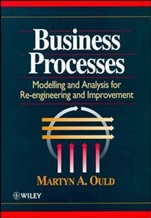
Business Processes: Modelling and Analysis for Re–Engineering and Improvement
ISBN 9780471953524
Autor: Martyn A. Ould
Wydawca: Wiley
Dostępność: 3-6 tygodni
Cena: 648,90 zł
Przed złożeniem zamówienia prosimy o kontakt mailowy celem potwierdzenia ceny.
ISBN13: |
9780471953524 |
ISBN10: |
0471953520 |
Autor: |
Martyn A. Ould |
Oprawa: |
Hardback |
Rok Wydania: |
1995-05-17 |
Ilość stron: |
224 |
Wymiary: |
247x179 |
Tematy: |
KM |
With the massive increase in interest in BPR, TQM and ISO 9000 has come a tide of texts and evangelical razzamatazz on the philosophy and the hearts and minds issues. But those tasked with making change happen at the coal face must feel short of practical tools to work with when it comes to modelling and analysing the business processes that are to be re–engineered, improved or defined. This book provides an answer. Why worry about processes? People know that organisations have functions and responsibilities but not everyone will see these as part of the process. Each person does their bit, but how do all the pieces fit together? Starting people to think about processes and simply modelling the processes can provide individuals and groups with a perspective which transcends parochial views and results in a more collaborative spirit; "now I know what you want I can ensure you get it reliably". A model that makes the process visible to all concerned brings great value in itself. Business Processes is intended to help people "get out of the functional silos". What is STRIM? STRIM–A Systematic Technique for Role & Interaction Modelling–and its central notation–The Role Activity Diagram– provides a practical method for really getting to grips with what the organisation does and how it does it, in a way which is revealing, communicative, and accessible by everyone around the organisation. The book covers the full method: from organising a modelling project, through the notation, its use at micro and macro levels, patterns of organisational behaviour, through process analysis and on into process support system development.
Spis treści:
The Process Modeller′s Needs.
Basic Concepts in Process Modelling.
Modelling with RADs.
Animating a Process Model.
Micro–Modelling of Processes.
Modelling Large Processes.
Process Patterns.
Modelling the Materials in the Process.
Analysing a Process
Model.
Managing the Modelling.
Epilogue.
Index.
Nota biograficzna:
About the author Martyn A. Ould read mathematics at Cambridge University, entered the software industry directly, and worked for several years on operating systems. In 1985 he joined Praxis where he is now Quality and Technical Director. His interests centre on methods and lifecycles and he has had three books published–A Practical Handbook for Software Development, Testing in Software Development; and Strategies for Software Engineering. In recent years he has been leading Praxis′s work in the field of business process modelling, including undertaking consultancy assignments for major clients. He is a Fellow of the British Computer Society and a Chartered Engineer. His interest in books extends to running his own private press–The Old School Press–where he prints and publishes using metal type and traditional hand processes for illustration and binding. About Praxis Praxis is the software engineering company of Touche Ross Management Consultants. Its services include the modelling of business processes as part of business improvement.
Okładka tylna:
With the massive increase in interest in BPR, TQM and ISO 9000 has come a tide of texts and evangelical razzamatazz on the philosophy and the hearts and minds issues. But those tasked with making change happen at the coal face must feel short of practical tools to work with when it comes to modelling and analysing the business processes that are to be re–engineered, improved or defined. This book provides an answer. Why worry about processes? People know that organisations have functions and responsibilities but not everyone will see these as part of the process. Each person does their bit, but how do all the pieces fit together? Starting people to think about processes and simply modelling the processes can provide individuals and groups with a perspective which transcends pa
rochial views and results in a more collaborative spirit; "now I know what you want I can ensure you get it reliably". A model that makes the process visible to all concerned brings great value in itself. Business Processes is intended to help people "get out of the functional silos". What is STRIM? STRIM–A Systematic Technique for Role & Interaction Modelling–and its central notation–The Role Activity Diagram– provides a practical method for really getting to grips with what the organisation does and how it does it, in a way which is revealing, communicative, and accessible by everyone around the organisation. The book covers the full method: from organising a modelling project, through the notation, its use at micro and macro levels, patterns of organisational behaviour, through process analysis and on into process support system development.
Koszyk
Książek w koszyku: 0 szt.
Wartość zakupów: 0,00 zł
Informacje


Kontakt
Gambit
Centrum Oprogramowania
i Szkoleń Sp. z o.o.
Al. Pokoju 29b/22-24
31-564 Kraków
Siedziba Księgarni
ul. Kordylewskiego 1
31-542 Kraków
+48 12 410 5991
+48 12 410 5987
+48 12 410 5989
Subskrypcje
Administratorem danych osobowych jest firma Gambit COiS Sp. z o.o. Na podany adres będzie wysyłany wyłącznie biuletyn informacyjny.
Autoryzacja płatności

Informacje na temat autoryzacji płatności poprzez PayU.

© Copyright 2012: GAMBIT COiS Sp. z o.o. Wszelkie prawa zastrzeżone.
Projekt i wykonanie: Alchemia Studio Reklamy