


Wydawcy
Katalog tematyczny
- Archeologia (109)
- Ekonomia, finanse, business (13704)
- Filozofia (1445)
- Historia (3040)
- Języki i językoznawstwo (2356)
- Lifestyle, hobby i rozrywka (475)
- Medycyna (9704)
- Nauki humanistyczne (4)
- Nauki o Ziemi i środowisku (2638)
- Nauki ścisłe (20412)
- Nauki społeczne (8486)
- Edukacja (229)
- Kryminologia, opieka spełeczna (284)
- Obronność (10)
- Polityka (1389)
- Psychologia (777)
- Socjologia (410)
- Społeczeństwo i kultura (187)
- Nauki techniczne (13450)
- Prawo (1696)
- Publikacje informacyjne i interdyscyplinarne (1288)
- Religia i wierzenia (917)
- Technika komputerowa (4067)
- Zdrowie, relacje międzyludzkie i rozwój osobisty (657)





Informacje szczegółowe o książce
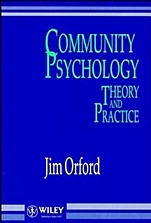
Community Psychology: Theory and Practice
ISBN 9780471938101
Autor: Jim Orford
Wydawca: Wiley
Dostępność: 3-6 tygodni
Cena: 318,15 zł
Przed złożeniem zamówienia prosimy o kontakt mailowy celem potwierdzenia ceny.
ISBN13: |
9780471938101 |
ISBN10: |
0471938106 |
Autor: |
Jim Orford |
Oprawa: |
Paperback |
Rok Wydania: |
1992-09-17 |
Ilość stron: |
302 |
Wymiary: |
228x153 |
Tematy: |
JBS |
Community Psychology Theory and Practice Jim Orford, University of Exeter, UK Community psychology is a comparatively new area within psychology. Its perspective is that people and their problems can only be understood by considering the social settings and systems of which they are part and with which they interact continuously over time. These include not only micro–systems of family, work and leisure groups, but also higher–order systems from neighbourhood to socio–cultural groups. Community psychology is also about using this understanding to improve people’s well–being. It is an applied, practical subject as well as a theoretical one. Community Psychology: Theory and Practice breaks new ground. It is the first such book written by a British psychologist and, unlike previous texts on the subject, it combines material from Britain, the United States and elsewhere. It deals at length with topics such as power and powerlessness, qualitative and case–study research methods, and offers background theory—so important to a new subject—together with reports of research on many practical aspects in community psychology. The book will prove essential reading for practitioners and researchers either oriented towards community psychology or thinking of moving in that direction—this includes psychologists working in any one of a wide range of areas (clinical, educational, forensic, organisational, applied social, etc.); health care workers with an interest in public mental health and prevention; those working in community settings and serving groups such as the mentally ill and psychologically distressed; people with learning difficulties; older people; and people with addiction problems. It will also be a valuable addition to the literature for final year psychology undergraduates and their teachers. From a published review– ‘… Orford’s book is written in a measured, cautious and scholarly style, does n
ot exaggerate what community psychology has actually achieved so far, yet inspires with its vision of what community psychology could become. I used it as a core text for teaching a final year option on community psychology. The undergraduate group was wildly enthusiastic about the book. Indeed, the only complaint, raised equally energetically by the students, was that they had not been given access to such exciting material until the final year. The book is essential reading.’ The Psychologist 1993
Spis treści:
THEORY.
What Is Community Psychology?.
Theories of Person–In–Context.
Psychological Problems in the Community.
Social Resources 1: Social Support.
Social Resources 2: Power and Control.
Research Methods.
PRACTICE.
Sharing Psychology with Workers in Human Services.
Prevention.
Understanding and Changing Organizations.
Self–Help and Non–Professional Help.
Empowering the Community.
References.
Index.
Okładka tylna:
Community Psychology Theory and Practice Jim Orford, University of Exeter, UK Community psychology is a comparatively new area within psychology. Its perspective is that people and their problems can only be understood by considering the social settings and systems of which they are part and with which they interact continuously over time. These include not only micro–systems of family, work and leisure groups, but also higher–order systems from neighbourhood to socio–cultural groups. Community psychology is also about using this understanding to improve people’s well–being. It is an applied, practical subject as well as a theoretical one. Community Psychology: Theory and Practice breaks new ground. It is the first such book written by a British psychologist and, unlike previous texts on the subject, it combines material from Britain, the United States and elsewhere. It deals at length with topics such as po
wer and powerlessness, qualitative and case–study research methods, and offers background theory—so important to a new subject—together with reports of research on many practical aspects in community psychology. The book will prove essential reading for practitioners and researchers either oriented towards community psychology or thinking of moving in that direction—this includes psychologists working in any one of a wide range of areas (clinical, educational, forensic, organisational, applied social, etc.); health care workers with an interest in public mental health and prevention; those working in community settings and serving groups such as the mentally ill and psychologically distressed; people with learning difficulties; older people; and people with addiction problems. It will also be a valuable addition to the literature for final year psychology undergraduates and their teachers. From a published review– ‘… Orford’s book is written in a measured, cautious and scholarly style, does not exaggerate what community psychology has actually achieved so far, yet inspires with its vision of what community psychology could become. I used it as a core text for teaching a final year option on community psychology. The undergraduate group was wildly enthusiastic about the book. Indeed, the only complaint, raised equally energetically by the students, was that they had not been given access to such exciting material until the final year. The book is essential reading.’ The Psychologist 1993
Koszyk
Książek w koszyku: 0 szt.
Wartość zakupów: 0,00 zł
Informacje


Kontakt
Gambit
Centrum Oprogramowania
i Szkoleń Sp. z o.o.
Al. Pokoju 29b/22-24
31-564 Kraków
Siedziba Księgarni
ul. Kordylewskiego 1
31-542 Kraków
+48 12 410 5991
+48 12 410 5987
+48 12 410 5989
Subskrypcje
Administratorem danych osobowych jest firma Gambit COiS Sp. z o.o. Na podany adres będzie wysyłany wyłącznie biuletyn informacyjny.
Autoryzacja płatności

Informacje na temat autoryzacji płatności poprzez PayU.

© Copyright 2012: GAMBIT COiS Sp. z o.o. Wszelkie prawa zastrzeżone.
Projekt i wykonanie: Alchemia Studio Reklamy