


Wydawcy
Katalog tematyczny
- Archeologia (109)
- Ekonomia, finanse, business (13704)
- Filozofia (1445)
- Historia (3040)
- Języki i językoznawstwo (2356)
- Lifestyle, hobby i rozrywka (475)
- Medycyna (9704)
- Nauki humanistyczne (4)
- Nauki o Ziemi i środowisku (2638)
- Nauki ścisłe (20412)
- Nauki społeczne (8486)
- Nauki techniczne (13450)
- Prawo (1696)
- Publikacje informacyjne i interdyscyplinarne (1288)
- Religia i wierzenia (917)
- Technika komputerowa (4067)
- Zdrowie, relacje międzyludzkie i rozwój osobisty (657)





Informacje szczegółowe o książce
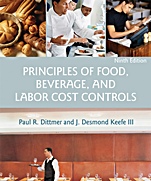
Principles of Food, Beverage, and Labor Cost Controls
ISBN 9780471783473
Autor: Paul R. Dittmer, J. Desmond Keefe
Wydawca: Wiley
Dostępność: 3-6 tygodni
Cena: 714,00 zł
Przed złożeniem zamówienia prosimy o kontakt mailowy celem potwierdzenia ceny.
ISBN13: |
9780471783473 |
ISBN10: |
0471783471 |
Autor: |
Paul R. Dittmer, J. Desmond Keefe |
Oprawa: |
Hardback |
Rok Wydania: |
2008-10-10 |
Numer Wydania: |
9th Edition |
Ilość stron: |
656 |
Wymiary: |
242x191 |
Tematy: |
VB |
The definitive foodservice cost control resource nowupdated and revised to reflect today′s hospitality environment
Good cost controls are essential for any foodservice business.Among other benefits, being able to accurately analyze and manageexpenses allows for effective planning and negotiating withsuppliers, gives confidence to financial backers,and crucially leads to profits that are both sustainableand maximized.
Principles of Food, Beverage, and Labor Cost Controls, NinthEdition offers the definitive all–in–one guide to effectivelyimplementing key cost control functions, processes, and concepts ina foodservice setting. Covering such areas as cost/volume/profitanalysis, menu analysis, food sales control, employee training, andperformance standards, this resource gives readers a practicaltoolbox that′s ready for use in culinary and hospitalityclassrooms, professional training, and foodservice operations.
Now in its Ninth Edition, this classic text has been revised toreflect changes in the industry. Updates and new featuresinclude:
Enhanced coverage throughout of technology used in foodservicecost control
A separate chapter on menu engineering and analysis
Lists of useful Web sites
CD–ROM containing Excel spreadsheets for all the problems in thebook as well as additional exercises
Filled with step–by–step guidance, Principles of Food, Beverage,and Labor Cost Controls, Ninth Edition gives students and workingfoodservice managers an unparalleled guide to management tools andbest practices.
Preface.
PART I. INTRODUCTION TO FOOD, BEVERAGE, AND LABORCONTROLS.
Chapter 1. Cost and Sales Concepts.
Introduction.
Cost Concepts.
Sales Concepts.
The Cost–to–Sales Ratio: Cost Percent.
Chapter Essentials.
Key Terms in this Chapter.
Questions and Problems.
Excel Exercises.
Chapter 2. The Control Process.
Introduction.
Control.
The Control Process.
Control Systems.
Cost/Benefit Ratio.
Chapter Essentials.
Key Terms in this Chapter.
Questions and Problems.
Excel Exercises.
Chapter 3. Cost/Volume/Profit Relationships.
Introduction.
The Cost/Volume/Profit Equation.
Variable Rate and Contribution Rate.
Break–Even Point.
Cost/Volume/Profit Calculations for the Grandview Bistro.
Cost Control and the Cost/Volume/Profit Equation.
Chapter Essentials.
Key Terms in this Chapter.
Questions and Problems.
Excel Exercises.
PART II. FOOD CONTROL.
Chapter 4. Food Purchasing and Receiving Control.
Introduction.
The Control Process–Purchasing and Receiving.
Developing Standards and Standard Procedures for Purchasing.
Standing Orders.
Receiving Controls.
Establishing Standard Procedures for Receiving.
Chapter Essentials.
Key Terms in this Chapter.
Questions and Problems.
Excel Exercises.
Chapter 5. Food Storing and Issuing Control.
Introduction.
Storing Control: Establishing Standards and Standard Proceduresfor Storing.
Issuing Control: Establishing Standards and Standard Proceduresfor Issuing.
Food and Beverage Transfers.
Chapter Essentials.
Key Terms in this Chapter.
Questions and Problems.
Excel Exercises.
Chapter 6. Food Production Control I: Portions.
Introduction.
Establishing Standards and Standard Procedures.
Calculating Standard Portion Costs.
Advantages and Disadvantages of Standardized Yield.
Using Yield Percentages.
Recipe Software.
Chapter Essentials.
Key Terms in this Chapter.
Questions and Problems.
Excel Exercises.
Chapter 7. Food Production Control II: Quantities.
Introduction.
Establishing Standards and Standard Procedures.
Determining Production Quantities.
Control of Preportioned Entrées.
A Word of Caution.
Chapter Essentials.
Key Terms in this Chapter.
Questions and Problems.
Excel Exercises.
Chapter 8. Monitoring Foodservice Operations I: MonthlyInventory and Monthly Food Cost.
Introduction.
Monthly Inventory.
Reports to Management.
Inventory Turnover.
Chapter Essentials.
Key Terms in this Chapter.
Questions and Problems.
Excel Exercises.
Chapter 9. Monitoring Foodservice Operations II: Daily FoodCost.
Introduction.
Determining Daily Food Cost.
Book versus Actual Inventory Comparison.
Chapter Essentials.
Key Terms in this Chapter.
Questions and Problems.
Excel Exercises.
Chapter 10. Monitoring Foodservice Operations III: Actualversus Standard Food Costs.
Introduction.
Determining Standard Cost.
Comparing Actual and Standard Costs.
Periodic Comparison.
Chapter Essentials.
Key Terms in this Chapter.
Questions and Problems.
Excel Exercises.
Chapter 11. Menu Engineering and Analysis.
Introduction.
Menu Engineering.
Menu Analysis.
Using 100 Percent of the Average for Number Sold.
Chapter Essentials.
Key Terms in this Chapter.
Questions and Problems.
Excel Exercises.
Chapter 12. Controlling Food Sales.
Introduction.
The Goals of Sales Control.
Optimizing Number of Customers.
Maximizing Profit.
Controlling Revenue.
Revenue Control Using Manual Means.
Revenue Control Using Computers.
Chapter Essentials.
Key Terms in this Chapter.
Questions and Problems.
PART III. BEVERAGE CONTROL.
Chapter 13. Beverage Purchasing Control.
Introduction.
Control Process and Purchasing.
Alcoholic Beverages.
Nonalcoholic Beverages.
Beverage Purchasing.
Chapter Essentials.
Key Terms in this Chapter.
Questions and Problems.
Excel Exercises.
Chapter 14. Beverage Receiving, Storing, and IssuingControl.
Introduction.
Receiving.
Storing.
Issuing.
Chapter Essentials.
Key Terms in this Chapter.
Questions and Problems.
Excel Exercises.
Chapter 15. Beverage Production Control.
Introduction.
Objectives of Beverage Production Control.
Establishing Standards and Standard Procedures forProduction.
Chapter Essentials.
Key Terms in this Chapter.
Questions and Problems.
Excel Exercises.
Chapter 16. Monitoring Beverage Operations.
Introduction.
The Cost Approach.
The Liquid Measure Approach.
The Sales Value Approach.
Inventory Turnover.
Chapter Essentials.
Key Terms in this Chapter.
Questions and Problems.
Excel Exercises.
Chapter 17. Beverage Sales Control.
Introduction.
The Objectives of Beverage Sales Control.
Guest Checks and Control.
Chapter Essentials.
Key Terms in this Chapter.
Questions and Problems.
PART IV. LABOR CONTROL.
Chapter 18. Labor Cost Considerations.
Introduction.
Employee Compensation.
Determinants of Total Labor Costs and Labor Cost Percents.
Labor Cost Control.
Chapter Essentials.
Key Terms in this Chapter.
Questions and Problems.
Excel Exercises.
Chapter 19. Establishing Performance Standards.
Introduction.
Establishing Performance Standards and Standard Procedures.
Organizing the Enterprise.
Preparing Job Descriptions.
Scheduling Employees.
Performance Standards Based on Test Period.
Standard Staffing Requirements.
Standard Work Hours.
Standard Cost.
Chapter Essentials.
Key Terms in this Chapter.
Questions and Problems.
Excel Exercises.
Chapter 20. Training Staff.
Introduction.
A Definition of Training.
The Purpose of Training.
The Training Program.
Centralized versus Localized Training.
Training Manuals.
Chapter Essentials.
Key Terms in this Chapter.
Questions and Problems.
Excel Exercises.
Chapter 21. Monitoring Performance and Taking CorrectiveAction.
Introduction.
Monitoring Performance.
Taking Corrective Action to Address Discrepancy betweenStandards and Performance.
Chapter Essentials.
Key Terms in this Chapter.
Questions and Problems.
Excel Exercises.
Glossary.
Paul R. Dittmer has extensive experience in the food andbeverage industry. He is a former hotel manager, food and beveragemanager, and a consultant to the U.S. Small BusinessAdministration, assisting restaurants in their operations. Hetaught food management and cost control for twenty–three years atSouthern New Hampshire University (formerly New Hampshire College)and served as division chair and associate professor.
J. Desmond Keefe III is Associate Professor in the School ofHospitality, Tourism, and Culinary Management at Southern NewHampshire University.
Koszyk
Książek w koszyku: 0 szt.
Wartość zakupów: 0,00 zł
Informacje


Kontakt
Gambit
Centrum Oprogramowania
i Szkoleń Sp. z o.o.
Al. Pokoju 29b/22-24
31-564 Kraków
Siedziba Księgarni
ul. Kordylewskiego 1
31-542 Kraków
+48 12 410 5991
+48 12 410 5987
+48 12 410 5989
Subskrypcje
Administratorem danych osobowych jest firma Gambit COiS Sp. z o.o. Na podany adres będzie wysyłany wyłącznie biuletyn informacyjny.
Autoryzacja płatności

Informacje na temat autoryzacji płatności poprzez PayU.

© Copyright 2012: GAMBIT COiS Sp. z o.o. Wszelkie prawa zastrzeżone.
Projekt i wykonanie: Alchemia Studio Reklamy