


Wydawcy
Katalog tematyczny
- Archeologia (109)
- Ekonomia, finanse, business (13704)
- Filozofia (1445)
- Historia (3040)
- Języki i językoznawstwo (2356)
- Lifestyle, hobby i rozrywka (475)
- Medycyna (9704)
- Nauki humanistyczne (4)
- Nauki o Ziemi i środowisku (2638)
- Nauki ścisłe (20412)
- Nauki społeczne (8486)
- Edukacja (229)
- Kryminologia, opieka spełeczna (284)
- Obronność (10)
- Polityka (1389)
- Psychologia (777)
- Socjologia (410)
- Społeczeństwo i kultura (187)
- Nauki techniczne (13450)
- Prawo (1696)
- Publikacje informacyjne i interdyscyplinarne (1288)
- Religia i wierzenia (917)
- Technika komputerowa (4067)
- Zdrowie, relacje międzyludzkie i rozwój osobisty (657)





Informacje szczegółowe o książce
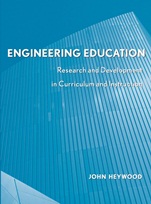
Engineering Education: Research and Development in Curriculum and Instruction
ISBN 9780471741114
Autor: John Heywood
Wydawca: Wiley
Dostępność: 3-6 tygodni
Cena: 927,15 zł
Przed złożeniem zamówienia prosimy o kontakt mailowy celem potwierdzenia ceny.
ISBN13: |
9780471741114 |
ISBN10: |
0471741116 |
Autor: |
John Heywood |
Oprawa: |
Hardback |
Rok Wydania: |
2005-12-02 |
Ilość stron: |
528 |
Wymiary: |
277x216 |
Tematy: |
JD |
A synthesis of nearly 2,000 articles to help make engineers better educators
While a significant body of knowledge has evolved in the field of engineering education over the years, much of the published information has been restricted to scholarly journals and has not found a broad audience. This publication rectifies that situation by reviewing the findings of nearly 2,000 scholarly articles to help engineers become better educators, devise more effective curricula, and be more effective leaders and advocates in curriculum and research development.
The author′s first objective is to provide an illustrative review of research and development in engineering education since 1960. His second objective is, with the examples given, to encourage the practice of classroom assessment and research, and his third objective is to promote the idea of curriculum leadership.
The publication is divided into four main parts:Part I demonstrates how the underpinnings of education——history, philosophy, psychology, sociology——determine the aims and objectives of the curriculum and the curriculum′s internal structure, which integrates assessment, content, teaching, and learningPart II focuses on the curriculum itself, considering such key issues as content organization, trends, and change. A chapter on interdisciplinary and integrated study and a chapter on project and problem–based models of curriculum are includedPart III examines problem solving, creativity, and designPart IV delves into teaching, assessment, and evaluation, beginning with a chapter on the lecture, cooperative learning, and teamwork
The book ends with a brief, insightful forecast of the future of engineering education. Because this is a practical tool and reference for engineers, each chapter is self–contained and may be read independently of the others.
Unlike other works in engineering education, which are ge
nerally intended for educational researchers, this publication is written not only for researchers in the field of engineering education, but also for all engineers who teach. All readers acquire a host of practical skills and knowledge in the fields of learning, philosophy, sociology, and history as they specifically apply to the process of engineering curriculum improvement and evaluation.
Spis treści:
Part I. Aims and Objectives (Outcomes) and Their Screening.
Chapter 1. Curriculum Design, Implementation and Evaluation.
Chapter 2. Aims and Objectives (Outcomes).
Chapter 3. Philosophy and Sociology and the Aims of the Engineering Curriculum.
Part 1. Philosophical Aspects.
Chapters 4. Concepts and Principles (Rules).
Chapter 5. Learning Strategies and Learning Styles.
Chapter 6. Human Development.
Part II. The Curriculum and Its Paradigms in Practice.
Chapter 7. Curriculum Change and Changing the Curriculum.
Chapter 8. Interdisciplinary and Integrated Studies.
Chapter 9. From Projects to Problem–Based Learning.
Part III. Problem Solving, Creativity, and Design.
Chapter 10. Problem Solving.
Chapter 11. Creativity.
Chapter 12. Design.
Part IV. Introduction to Chapters 13 and 14. The Lecture.
Chapter 13. Cooperative Learning and Teamwork.
Chapter 14. Other Instructional Practices and the New Technologies.
Chapter 15. Assessment and Evaluation.
Chapter 16. The Formal Assessment of Student Learning: Alternative Assessment.
Chapter 17. Attrition and Retention.
References.
Epilogue.
Author Index.
Subject Index.
Nota biograficzna:
JOHN HEYWOOD, is a Professorial Fellow Emeritus of Trinity College Dublin. He has an MSc in Engineering Education, and a doctorate from the University of Dublin. He was founding editor of the International Journal of Technology and Design Education. He has published widely and won several awards for his writings in
the areas of engineering, science, and technology. Since 1973 he has been a regular contributor to the ASEE/IEEE Frontiers in Education Conference.
Okładka tylna:
A synthesis of nearly 2,000 articles to help make engineers better educators
While a significant body of knowledge has evolved in the field of engineering education over the years, much of the published information has been restricted to scholarly journals and has not found a broad audience. This publication rectifies that situation by reviewing the findings of nearly 2,000 scholarly articles to help engineers become better educators, devise more effective curricula, and be more effective leaders and advocates in curriculum and research development.
The author′s first objective is to provide an illustrative review of research and development in engineering education since 1960. His second objective is, with the examples given, to encourage the practice of classroom assessment and research, and his third objective is to promote the idea of curriculum leadership.
The publication is divided into four main parts:Part I demonstrates how the underpinnings of education——history, philosophy, psychology, sociology——determine the aims and objectives of the curriculum and the curriculum′s internal structure, which integrates assessment, content, teaching, and learningPart II focuses on the curriculum itself, considering such key issues as content organization, trends, and change. A chapter on interdisciplinary and integrated study and a chapter on project and problem–based models of curriculum are includedPart III examines problem solving, creativity, and designPart IV delves into teaching, assessment, and evaluation, beginning with a chapter on the lecture, cooperative learning, and teamwork
The book ends with a brief, insightful forecast of the future of engineering education. Because this is a p
ractical tool and reference for engineers, each chapter is self–contained and may be read independently of the others.
Unlike other works in engineering education, which are generally intended for educational researchers, this publication is written not only for researchers in the field of engineering education, but also for all engineers who teach. All readers acquire a host of practical skills and knowledge in the fields of learning, philosophy, sociology, and history as they specifically apply to the process of engineering curriculum improvement and evaluation.
Koszyk
Książek w koszyku: 0 szt.
Wartość zakupów: 0,00 zł
Informacje


Kontakt
Gambit
Centrum Oprogramowania
i Szkoleń Sp. z o.o.
Al. Pokoju 29b/22-24
31-564 Kraków
Siedziba Księgarni
ul. Kordylewskiego 1
31-542 Kraków
+48 12 410 5991
+48 12 410 5987
+48 12 410 5989
Subskrypcje
Administratorem danych osobowych jest firma Gambit COiS Sp. z o.o. Na podany adres będzie wysyłany wyłącznie biuletyn informacyjny.
Autoryzacja płatności

Informacje na temat autoryzacji płatności poprzez PayU.

© Copyright 2012: GAMBIT COiS Sp. z o.o. Wszelkie prawa zastrzeżone.
Projekt i wykonanie: Alchemia Studio Reklamy