


Wydawcy
Katalog tematyczny
- Archeologia (109)
- Ekonomia, finanse, business (13704)
- Filozofia (1445)
- Historia (3040)
- Języki i językoznawstwo (2356)
- Lifestyle, hobby i rozrywka (475)
- Medycyna (9704)
- Nauki humanistyczne (4)
- Nauki o Ziemi i środowisku (2638)
- Nauki ścisłe (20412)
- Astronomia (294)
- Biologia (5119)
- Chemia (6540)
- Chemia analityczna (361)
- Chemia fizyczna (346)
- Chemia nieorganiczna (137)
- Chemia organiczna (535)
- Krystalografia (27)
- Minerologia (46)
- Fizyka (3309)
- Matematyka (4574)
- Nauki ścisłe, ogólnie (503)
- Nauki społeczne (8486)
- Nauki techniczne (13450)
- Prawo (1696)
- Publikacje informacyjne i interdyscyplinarne (1288)
- Religia i wierzenia (917)
- Technika komputerowa (4067)
- Zdrowie, relacje międzyludzkie i rozwój osobisty (657)





Informacje szczegółowe o książce
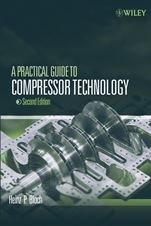
A Practical Guide to Compressor Technology
ISBN 9780471727934
Autor: Heinz P. Bloch
Wydawca: Wiley
Dostępność: 3-6 tygodni
Cena: 871,50 zł
Przed złożeniem zamówienia prosimy o kontakt mailowy celem potwierdzenia ceny.
ISBN13: |
9780471727934 |
ISBN10: |
0471727938 |
Autor: |
Heinz P. Bloch |
Oprawa: |
Hardback |
Rok Wydania: |
2006-10-03 |
Numer Wydania: |
2nd Edition |
Ilość stron: |
590 |
Wymiary: |
262x186 |
Tematy: |
PN |
A Complete overview of theory, selection, design, operation, and maintenance
This text offers a thorough overview of the operating characteristics, efficiencies, design features, troubleshooting, and maintenance of dynamic and positive displacement process gas compressors. The author examines a wide spectrum of compressors used in heavy process industries, with an emphasis on improving reliability and avoiding failure. Readers learn both the theory underlying compressors as well as the myriad day–to–day practical issues and challenges that chemical engineers and plant operation personnel must address.
The text features:Latest design and manufacturing details of dynamic and positive displacement process gas compressorsExamination of the full range of machines available for the heavy process industriesThorough presentation of the arrangements, material composition, and basic laws governing the design of all important process gas compressorsGuidance on selecting optimum compressor configurations, controls, components, and auxiliaries to maximize reliabilityMonitoring and performance analysis for optimal machinery conditionSystematic methods to avoid failure through the application of field–tested reliability enhancement conceptsFluid instability and externally pressurized bearingsReliability–driven asset management strategies for compressorsUpstream separator and filter issues
The text′s structure is carefully designed to build knowledge and skills by starting with key principles and then moving to more advanced material. Hundreds of photos depicting various types of compressors, components, and processes are provided throughout.
Compressors often represent a multi–million dollar investment for such applications as petrochemical processing and refining, refrigeration, pipeline transport, and turbochargers and superchargers for int
ernal combustion engines. This text enables the broad range of engineers and plant managers who work with these compressors to make the most of the investment by leading them to the best decisions for selecting, operating, upgrading, maintaining, and troubleshooting.
Spis treści:
PREFACE.
ACKNOWLEDGMENTS.
PART I POSITIVE DISPLACEMENT COMPRESSOR TECHNOLOGY.
1 Theory.
1.1 Symbols.
1.2 How a Compressor Works.
1.3 First Law of Thermodynamics.
1.4 Second Law of Thermodynamics.
1.5 Ideal or Perfect Gas Laws.
11.6 Vapor Pressure.
1.7 Gas and Vapor.
1.8 Partial Pressures.
1.9 Critical Conditions.
1.10 Compressibility.
1.11 Generalized Compressibility Charts.
1.12 Gas Mixtures.
1.13 The Mole.
1.14 Specific Volume and Density.
1.15 Volume Percent of Constituents.
1.16 Molecular Weight of a Mixture.
1.17 Specific Gravity and Partial Pressure.
1.18 Ratio of Specific Heats.
1.19 Pseudo–critical Conditions and Compressibility.
1.20 Weight–Basis Items.
1.21 Compression Cycles.
1.22 Power Requirement.
1.23 Compressibility Correction.
1.24 Multiple Staging.
1.25 Volume References.
1.26 Cylinder Clearance and Volumetric Efficiency.
1.27 Cylinder Clearance and Compression Efficiency.
Reference.
2 Reciprocating Process Compressor Design Overview.
2.1 Crankshaft Design.
2.2 Bearings and Lubrication Systems.
2.3 Connecting Rods.
2.4 Crossheads.
2.5 Frames and Cylinders.
2.6 Cooling Provisions.
2.7 Pistons.
2.8 Piston and Rider Rings.
2.9 Valves.
2.10 Piston Rods.
2.11 Packings.
2.12 Cylinder Lubrication.
2.13 Distance Pieces.
2.14 Reciprocating Compressor Modernization.
3 Reciprocating Compressor Performance and Monitoring Considerations.
3.1 Capacity Control.
3.2 More About Cylinder Jacket Cooling and Heating Arrangements.
3.3 Comparing Lubricated and Nonlubricat
ed Conventional Cylinder Construction.
3.4 Compressor Vent and Buffer Systems.
3.5 Compressor Instrumentation.
3.6 Condition Monitoring of Reciprocating Compressors.
References.
4 Labyrinth Piston Compressors.
4.1 Main Design Features.
4.2 Energy Consumption.
4.3 Sealing Problems.
5 Hypercompressors.
5.1 Introduction.
5.2 Cylinders and Piston Seals.
5.3 Cylinder Heads and Valves.
5.4 Drive Mechanism.
5.5 Miscellaneous Problems.
5.6 Conclusions.
6 Metal Diaphragm Compressors.
6.1 Introduction.
6.2 Terminology.
6.3 Description.
7 Lobe and Sliding Vane Compressors.
8 Liquid Ring Compressors.
9 Rotary Screw Compressors and Filter Separators.
9.1 Twin–Screw Machines.
9.2 Oil–Flooded Single–Screw Compressors.
9.3 Selecting Modern Reverse–Flow Filter–Separator Technology.
10 Reciprocating Compressor Performance and Sizing Fundamentals.
10.1 Theoretical Maximum Capacity.
10.2 Capacity Losses.
10.3 Valve Preload.
10.4 Valve and Gas Passage Throttling.
10.5 Piston Ring Leakage.
10.6 Packing Leakage.
10.7 Discharge Valve Leakage.
10.8 Suction Valve Leakage.
10.9 Heating Effects.
10.10 Pulsation Effects.
10.11 Horsepower.
10.12 Horsepower Adders.
10.13 Gas Properties.
10.14 Alternative Equations of State.
10.15 Condensation.
10.16 Frame Loads.
10.17 Compressor Displacement and Clearance.
10.18 Staging.
10.19 Fundamentals of Sizing.
10.20 Sizing Examples.
PART II DYNAMIC COMPRESSOR TECHNOLOGY.
11 Simplified Equations for Determining the Performance of Dynamic Compressors.
11.1 Nonoverloading Characteristics of Centrifugal Compressors.
11.2 Stability.
11.3 Speed Change.
11.4 Compressor Drive.
11.5 Calculations.
12 Design Considerations and Manufacturing Techniques.
12.1 Axially vs. Radially Split.
12.2 Tightne
ss.
12.3 Material Stress.
12.4 Nozzle Location and Maintenance.
12.5 Design Overview.
12.6 Bearing Configurations.
12.7 Casing Design Criteria.
12.8 Casing Manufacturing Techniques.
12.9 Stage Design Considerations.
12.10 Impeller Manufacturing Techniques.
12.11 Rotor Dynamic Considerations.
12.12 Fouling Considerations and Coatings.
13 Advanced Sealing and Bearing Systems.
13.1 Background.
13.2 Dry Seals.
13.3 Magnetic Bearings.
13.4 Development Efforts.
13.4.1 Thrust–Reducing Seals.
13.5 Integrated Designs.
13.6 Fluid–Induced Instability and Externally Pressurized Bearings.
References.
Suggested Reading.
14 Couplings, Torque Transmission, and Torque Sensing.
14.1 Coupling Overview.
14.2 Coupling Retrofits and Upgrades.
14.3 Performance Optimization Through Torque Monitoring.
15 Lubrication, Sealing, and Control Oil Systems for Turbomachinery.
15.1 Considerations Common to All Systems.
15.2 Seal Oil Considerations.
16 Compressor Control.
16.1 Introduction.
16.2 Control System Objectives.
16.3 Compressor Maps.
16.4 Performance Control.
16.5 Performance Limitations.
16.6 Preventing Surge.
16.7 Loop Decoupling.
16.8 Conclusions.
Reference.
17 Head–Flow Curve Shape of Centrifugal Compressors.
17.1 Compressor Stage.
17.2 Elements of the Characteristic Shape.
17.3 Conclusions.
18 Use of Multiple–Inlet Compressors.
18.1 Critical Selection Criteria.
18.2 Design of a Sideload Compressor.
18.3 Testing.
19 Compressor Performance Testing.
19.1 Performance Testing of New Compressors.
19.2 Shop Testing and Types of Tests.
19.3 Field Testing.
19.4 Predicting Compressor Performance at Other Than As–Designed Conditions.
References.
20 Procurement, Audit, and Asset Management Decisions.
20.1 Incentives to Buy from Knowledgeable and Cooperati
Koszyk
Książek w koszyku: 0 szt.
Wartość zakupów: 0,00 zł
Informacje


Kontakt
Gambit
Centrum Oprogramowania
i Szkoleń Sp. z o.o.
Al. Pokoju 29b/22-24
31-564 Kraków
Siedziba Księgarni
ul. Kordylewskiego 1
31-542 Kraków
+48 12 410 5991
+48 12 410 5987
+48 12 410 5989
Subskrypcje
Administratorem danych osobowych jest firma Gambit COiS Sp. z o.o. Na podany adres będzie wysyłany wyłącznie biuletyn informacyjny.
Autoryzacja płatności

Informacje na temat autoryzacji płatności poprzez PayU.

© Copyright 2012: GAMBIT COiS Sp. z o.o. Wszelkie prawa zastrzeżone.
Projekt i wykonanie: Alchemia Studio Reklamy