


Wydawcy
Katalog tematyczny
- Archeologia (1)
- Ekonomia, finanse, business (698)
- Filozofia (20)
- Historia (57)
- Języki i językoznawstwo (4)
- Lifestyle, hobby i rozrywka (32)
- Medycyna (1025)
- Nauki humanistyczne (2)
- Nauki o Ziemi i środowisku (430)
- Nauki ścisłe (1680)
- Nauki społeczne (1297)
- Nauki techniczne (530)
- Prawo (1437)
- Publikacje informacyjne i interdyscyplinarne (32)
- Religia i wierzenia (15)
- Technika komputerowa (237)
- Zdrowie, relacje międzyludzkie i rozwój osobisty (4)





Informacje szczegółowe o książce
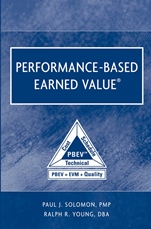
Performance–Based Earned Value
ISBN 9780471721888
Autor: Paul Solomon, Ralph Young
Wydawca: Wiley
Dostępność: 3-6 tygodni
Cena: 441,00 zł
Przed złożeniem zamówienia prosimy o kontakt mailowy celem potwierdzenia ceny.
ISBN13: |
9780471721888 |
ISBN10: |
0471721883 |
Autor: |
Paul Solomon, Ralph Young |
Oprawa: |
Paperback |
Rok Wydania: |
2007-01-05 |
Ilość stron: |
324 |
Wymiary: |
233x167 |
Tematy: |
KM |
A complete toolkit for implementation of Earned Value Management
Performance–Based Earned Value uniquely shows project managers how to effectively integrate technical, schedule, and cost objectives by improving earned value management (EVM) practices. Providing innovative guidelines, methods, examples, and templates consistent with capability models and standards, this book approaches EVM from a practical level with understandable techniques that are applicable to the management of any project.
Clear and unambiguous instructions explain how to incorporate EVM with key systems engineering, software engineering, and project management processes such as establishing the technical or quality baseline, requirements management, using product metrics, and meeting success criteria for technical reviews. Detailed information is included on linking product requirements, project work products, the project plan, and the Performance Measurement Baseline (PMB), as well as correlating technical performance measures (TPM) with EVM. With straightforward instructions on how to use EVM on a simple project, such as building a house, and on complex projects, such as high–risk IT and engineering development projects, it is the only book that includes excerpts from the PMI′s Project Management Body of Knowledge (PMBOK), CMMI, the EVM System standard, systems engineering standards, federal acquisition regulations, and Department of Defense guides.
Performance–Based Earned Value allows both novices and experienced project managers—including project managers of suppliers and customers in the commercial and government sectors; software and systems engineering process improvement leaders; CMMI appraisers; PMI members; and IEEE Computer Society members—to:Incorporate product requirements and planned quality into the PMBConduct an Integrated Baseline ReviewAnalyze performance reportsPerform independent assessm
ents and predictive analysisEnsure that key TPMs are selected, monitored, and reportedIdentify the right success criteria for technical reviewsDevelop techniques for monitoring and controlling supplier performanceIntegrate risk management with EVMComply with government acquisition policies and regulations
Written by Paul Solomon and Ralph Young, internationally recognized industry experts, Performance–Based Earned Value is constructed from guidance in standards and capability models for EVM, systems engineering, software engineering, and project management. It is the complete guide to EVM, invaluable in helping students prepare for the PMI–PMP exam with practical examples and templates to facilitate understanding, and in guiding project professionals in the private and public sectors to use EVM on complex projects.
Spis treści:
Foreword.
Preface.
Acknowledgments.
Chapter 1. Topic.
Chapter 2. Principles and Guidelines of PBEV.
Chapter 3. Product Requirements Baseline.
Chapter 4. Maintain Bidirectional Traceability.
Chapter 5. Progress Toward Meeting Product Requirements.
Chapter 6. Establish Planned Values and Allocate Budget.
Chapter 7. Variance Analysis.
Chapter 8. Level of Effort.
Chapter 9. Integrate Risk Management with EVM.
Chapter 10. Changes to the Performance Measurement Baseline.
Chapter 11. Agile Methods.
Chapter 12. Requirements and Earned Value.
Chapter 13. Using PBEV to Manage Software–Intensive Development.
Chapter 14. Supplier Acquisition Management.
Chapter 15. Moving Forward.
Appendix A. Fundamentals of Earned Value Management.
Appendix B.Detailed Planning Guidance.
Appendix C. American National Standards Institute.
Appendix C–1. Experts from NDIA PMSC ANSI/EIA 748–A, Standard for Earned Value Management Systems Intent Guide.
Appendix D. Federal Acquisition Regulations (FAR) Rule On EVMS.
Append
ix E. Enabling Work Products.
Appendix F. Trade Studies.
Appendix G. Allocated Requirements.
Appendix H. Technical Performance Measures.
Appendix I.Success Criteria.
Glossary.
About the Authors.
Index.
Nota biograficzna:
PAUL J. SOLOMON, PMP, is an internationally known consultant and author on Earned Value Management (EVM), and founder of his firm, Performance–Based Earned Value®. Mr. Solomon led the use of EVM on programs at Northrop Grumman Corporation, including the B–2 Stealth Bomber and the F–35 Joint Strike Fighter. He is a coauthor of EVM standards, including the national standard, ANSI/EIA–748 (for which he received the U.S. Department of Defense David Packard Excellence in Acquisition Award) and the PMI Practice Standard for EVM. He was a visiting scientist at the Software Engineering Institute (SEI) and wrote an SEI report on CMMI® and EVM. Mr. Solomon frequently speaks at industry and government conferences and is a tutor concerning EVM, systems engineering, and software engineering in the U.S. and India.
RALPH R. YOUNG, DBA, is Director of Engineering Process Improvement, Systems and Process Engineering, Defense Group at Northrop Grumman Information Technology. Dr. Young helped lead his former business unit (Litton PRC) to CMM Level 5 and his current business unit to CMMI® Level 5. Northrop Grumman Corporation′s Defense Group was the first organization in the world to be evaluated a second time at CMMI® Level 5. Dr. Young supports continuous improvement for both internal and external projects, to make process improvements, implement effective requirements practices, and develop innovations to facilitate project management.
Okładka tylna:
A complete toolkit for implementation of Earned Value Management
Performance–Based Earned Value uniquely shows project managers how to effectively integrate technical, sc
hedule, and cost objectives by improving earned value management (EVM) practices. Providing innovative guidelines, methods, examples, and templates consistent with capability models and standards, this book approaches EVM from a practical level with understandable techniques that are applicable to the management of any project.
Clear and unambiguous instructions explain how to incorporate EVM with key systems engineering, software engineering, and project management processes such as establishing the technical or quality baseline, requirements management, using product metrics, and meeting success criteria for technical reviews. Detailed information is included on linking product requirements, project work products, the project plan, and the Performance Measurement Baseline (PMB), as well as correlating technical performance measures (TPM) with EVM. With straightforward instructions on how to use EVM on a simple project, such as building a house, and on complex projects, such as high–risk IT and engineering development projects, it is the only book that includes excerpts from the PMI′s Project Management Body of Knowledge (PMBOK), CMMI, the EVM System standard, systems engineering standards, federal acquisition regulations, and Department of Defense guides.
Performance–Based Earned Value allows both novices and experienced project managers—including project managers of suppliers and customers in the commercial and government sectors; software and systems engineering process improvement leaders; CMMI appraisers; PMI members; and IEEE Computer Society members—to:Incorporate product requirements and planned quality into the PMBConduct an Integrated Baseline ReviewAnalyze performance reportsPerform independent assessments and predictive analysisEnsure that key TPMs are selected, monitored, and reportedIdentify the right success criteria for technical reviewsDevelop techniques for monitoring and
Koszyk
Książek w koszyku: 0 szt.
Wartość zakupów: 0,00 zł
Informacje


Kontakt
Gambit
Centrum Oprogramowania
i Szkoleń Sp. z o.o.
Al. Pokoju 29b/22-24
31-564 Kraków
Siedziba Księgarni
ul. Kordylewskiego 1
31-542 Kraków
+48 12 410 5991
+48 12 410 5987
+48 12 410 5989
Subskrypcje
Administratorem danych osobowych jest firma Gambit COiS Sp. z o.o. Na podany adres będzie wysyłany wyłącznie biuletyn informacyjny.
Autoryzacja płatności

Informacje na temat autoryzacji płatności poprzez PayU.

© Copyright 2012: GAMBIT COiS Sp. z o.o. Wszelkie prawa zastrzeżone.
Projekt i wykonanie: Alchemia Studio Reklamy